

Have you ever craved fresh salads in the middle of winter? You’re not alone. Many people wonder if it’s possible to grow lettuce when the temperatures drop and daylight hours shorten.
Key Takeaways
- Lettuce’s Ideal Conditions: Lettuce thrives in cooler temperatures (60°F to 65°F) and requires at least 6 hours of sunlight daily for optimal growth.
- Choosing the Right Varieties: Different types of lettuce, such as butterhead, romaine, and looseleaf, offer unique benefits and are suitable for winter growth.
- Utilizing Protective Techniques: Employ cold frames, row covers, and heat mats to shield lettuce from extreme weather and maintain optimal temperatures.
- Benefits of Winter Gardening: Growing lettuce in winter provides fresh, flavorful greens and reduces pesticide use due to lower pest activity.
- Challenges to Overcome: Be mindful of temperature fluctuations and limited daylight; use protective measures and artificial grow lights to ensure healthy growth.
Understanding Lettuce Growth
Lettuce thrives in cooler temperatures, making it possible to grow during winter months with the right conditions. Understanding its requirements helps ensure successful growth.
What Is Lettuce?
Lettuce (Lactuca sativa) is a leafy green vegetable enjoyed in salads, sandwiches, and wraps. It comes in various types, such as romaine, butterhead, and leaf lettuce. Each type differs in texture and flavor, but all prefer similar growing conditions.
Ideal Growing Conditions
Lettuce grows best in temperatures between 60°F and 65°F (15°C to 18°C). Here’s what you need for optimal growth:
- Light Requirements: Lettuce prefers full sun but can tolerate partial shade. Aim for at least 6 hours of sunlight daily, especially in winter.
- Soil Type: Use well-draining soil rich in organic matter. A pH of 6.0 to 7.0 works best for lettuce.
- Watering Needs: Keep the soil consistently moist, but avoid overwatering. Water at the base of the plant to prevent fungal diseases.
- Temperature Management: In colder climates, consider using a cold frame or hoop house to maintain warmth. Using a heat mat can also help seedlings thrive in frigid conditions.
By providing these ideal conditions, you can successfully grow lettuce in winter and enjoy fresh greens amid chilly weather.
Growing Lettuce in Winter
Growing lettuce in winter is indeed possible with the right techniques. Lettuce prefers cooler conditions, making it suitable for winter cultivation. Here are essential factors to consider.
Recommended Products
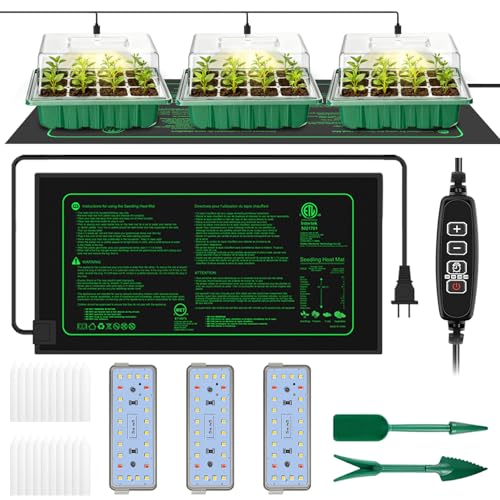
🌱【Most Suitable Temperature】The Durable Seedling Hydroponic Heat Mat provides consistent, uniform heating at temperatures around 70°F to 85°F (24℃ to 30℃), which are the perfect temperatures for seed starting and cutting propagation.High-quality plastic is reusable, recyclable. The seed starter trays are divided into equal 1.96" squares in 1.85" depth for your small or large seeds for flowers, vegetables, fruits, succulents and other plants. It is designed with the proper size holes to allow drainage, while the bottom seedling trays retains overflow water to prevent leaking.

Reliable Results: The VIVOSUN professional heat mat maintains optimal temperatures around 68-86℉ (20-30℃), perfect for Seedling start and cutting propagation; Made from durable PVC material, it's designed to last
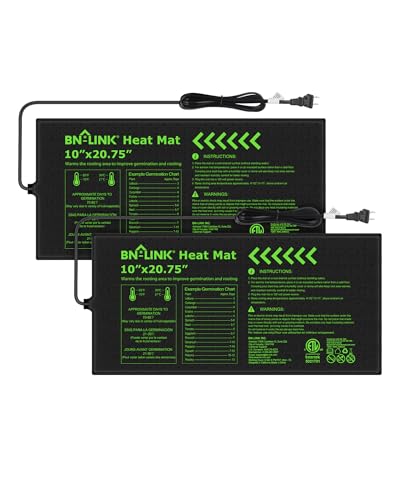
IDEAL GERMINATION TEMPERATURE: The BN-LINK seedling heat mats for seed starting helps maintain temperatures around 70°F to 85°F, the optimal range for seed germination, cutting propagation, and healthy seedling growth. Achieve faster germination and higher growth rates with seed heating mat.
Different Types of Lettuce
- Butterhead Lettuce: Known for its soft, tender leaves, butterhead varieties grow well in cooler temperatures.
- Romaine Lettuce: This type is hardy and can tolerate frost, making it another great option for winter gardening.
- Looseleaf Lettuce: Looseleaf varieties are quick to mature, allowing for multiple harvests during the winter months.
- Iceberg Lettuce: Though it may require a bit more care, iceberg can still thrive when protected from harsh weather.
Choosing the right type of lettuce is vital. Each variety has unique characteristics that affect its growth in winter.
- Cold Frames: Use cold frames to provide shelter from extreme weather. They trap heat and extend the growing season.
- Row Covers: Lightweight row covers help retain warmth and protect lettuce from frost. They allow sunlight through while shielding plants.
- Indoor Gardening: Consider growing lettuce indoors using grow lights. It provides consistent conditions for optimal growth.
- Heat Mats: If growing lettuce indoors, use heat mats for enhanced soil warmth, promoting faster germination.
Implementing these techniques can significantly increase your chances of successfully growing lettuce during winter months. Attention to detail regarding temperature and protection will ensure a bountiful harvest of fresh greens.
Benefits of Growing Lettuce in Winter
Growing lettuce in winter offers numerous advantages. You can enjoy fresh greens while avoiding the store-bought options that often lack flavor.
Fresh Produce Availability
You gain access to fresh produce during months when garden options dwindle. Winter gardening provides greens that are more nutritious than produce transported long distances. Picking lettuce fresh from your garden means enjoying a crisp flavor, harvested just when you need it.
Pest and Disease Management
You experience fewer pest issues in the winter garden. Many common pests, like aphids and cabbage worms, are less active when temperatures drop. This reduced pest pressure means less reliance on chemical treatments. Additionally, cold weather can inhibit the growth of certain diseases, making it easier to manage plant health. Using protective measures like row covers further minimizes exposure to potential threats, ensuring healthy lettuce development throughout the season.
Challenges of Winter Lettuce Growth
Winter lettuce growth presents unique challenges that can affect your success. Understanding these hurdles helps you make informed decisions and implement effective solutions.
Recommended Products

Comprehensive Winter Protection for Your Garden: Our outdoor plant covers provide complete freeze protection for strawberries, vegetables, tomatoes, fruit trees, citrus plants, shrubs, and potted plants throughout the winter. This frost cloth plant freeze protection shields delicate plants from sudden temperature drops, frost, and strong winds, ensuring they survive harsh winter conditions. Ideal for those looking for frost blankets for outdoor plants and reliable plant freeze protection covers.

Wide Coverage, Easy to Cut: The 10 ft width gives broad coverage for garden beds and plant rows, while 12, 20, 30, and 50 ft length options fit different spaces. Cut this floating row cover to size for raised beds, shrubs, vegetables, and seedlings

【Non-Woven Plant Cover for Cold Weather Gardening】 Non-woven plant cover is designed for use during cold weather. This winter plant cover features a pop-up frame that unfolds over garden beds. The non-woven material is lightweight and flexible for easy placement.
Temperature Fluctuations
Temperature fluctuations can stress lettuce plants and hinder growth. Lettuce thrives in cooler temperatures, ideally between 45°F and 65°F. However, temperatures may dip below freezing at night and rise significantly during the day. These rapid changes stress plants, causing wilting or bolting.
To combat this, consider using protective structures like cold frames or row covers, which help regulate temperature. These tools provide insulation during cold nights and trap warmth during sunny days, thus creating a more stable environment for your lettuce.
Limited Daylight
Limited daylight during winter months restricts photosynthesis, essential for lettuce growth. With only 8-10 hours of daylight, plants don’t receive enough light to develop properly. This can lead to stunted growth or weak, leggy plants.
You can use artificial grow lights to supplement natural light. Position these lights about 6-12 inches above your plants and set them on a timer for 12-16 hours daily. This additional light encourages robust growth and helps maintain healthy lettuce plants throughout winter.
Conclusion
Growing lettuce in winter is not just possible but can be a rewarding experience. With the right techniques and a bit of creativity you can enjoy fresh greens even in the cold months. Whether you choose to use cold frames or indoor gardening methods your efforts will pay off with delicious and nutritious lettuce at your fingertips.
Don’t let winter hold you back from cultivating your garden. Embrace the challenge and enjoy the satisfaction of harvesting your own winter lettuce. With a little planning and care you can turn the chilly season into an opportunity for fresh produce. Happy gardening!
Frequently Asked Questions
Can lettuce be grown in winter?
Yes, lettuce can be grown in winter with the right techniques and protection, such as using cold frames, row covers, or indoor gardening methods.
What types of lettuce are best for winter growing?
Varieties like winter lettuce, butterhead, and loose-leaf types are ideal for winter cultivation as they tolerate cold temperatures better.
How do cold frames help in winter lettuce cultivation?
Cold frames provide a sheltered environment that traps heat and protects lettuce from harsh winter conditions, promoting growth.
What are row covers, and how do they work?
Row covers are lightweight fabric sheets that protect plants from frost and pests while allowing light and moisture to reach the lettuce.
How can indoor gardening benefit winter lettuce growth?
Indoor gardening with grow lights and heat mats allows for controlled growing conditions, offering a consistent environment for lettuce to thrive.
What are the benefits of growing lettuce in the winter?
Winter lettuce cultivation provides fresh, flavorful greens, improved nutrition access, reduced pest problems, and easier disease management.
What challenges might I face when growing lettuce in winter?
Challenges include temperature fluctuations, limited daylight, and potential frost; however, protective structures and artificial lighting can mitigate these issues.
