

Have you ever wondered how to optimize the growth of your tomato plants? Picture this: you’ve lovingly planted your tomatoes, but now you’re unsure about the right spacing. How far apart should tomato plants be placed for maximum yield and health? This article has the answers you need.
By understanding the ideal distance between tomato plants, you’ll set them up for success from the start. Proper spacing not only promotes better air circulation and sunlight exposure but also reduces the risk of diseases spreading among your precious plants. Stay tuned to discover simple yet effective tips on spacing your tomato plants just right.
Key Takeaways
- Proper spacing between tomato plants is essential for their health and productivity, promoting better air circulation, sunlight exposure, and easier maintenance tasks.
- Overcrowding tomato plants can lead to stunted growth, lower fruit production, increased susceptibility to pests and diseases, and higher stress levels.
- Indeterminate tomato varieties should be spaced 18-24 inches apart in the same row, while determinate varieties can be placed 12-18 inches apart.
- Row spacing of 36-48 inches allows for proper airflow between rows, reducing humidity levels and minimizing fungal disease risks.
- Consider factors like plant variety (determinate vs. indeterminate) and gardening method (in-ground vs. raised bed/container) when determining tomato plant spacing.
- Use tools like garden rulers, plant spacing guides, and string methods to ensure accurate spacing for optimal growth; adapt planting strategies based on garden size for efficient care.
Importance of Proper Spacing for Tomato Plants
Ensuring the correct spacing between your tomato plants is vital for their overall health and productivity. Here’s why it’s crucial to give them the right amount of space:
Benefits of Adequate Space
Providing sufficient space between tomato plants allows for better air circulation around each plant. This improved airflow helps reduce the risk of fungal diseases, such as blight, by minimizing humidity levels that favor pathogen growth.
Additionally, adequate spacing ensures that each plant receives an optimal amount of sunlight exposure. Sunlight is essential for photosynthesis, the process through which plants produce energy. Sufficient sunlight can lead to healthier plants with better fruit development.
Proper spacing also facilitates easier access for maintenance tasks like watering, pruning, and harvesting. When plants are too close together, these activities become more challenging and may result in damage to the plants or fruits.
Risks of Overcrowding
On the other hand, overcrowding your tomato plants can have detrimental effects on their growth and yield. When plants are too close together, they compete for resources like nutrients, water, and sunlight. This competition can lead to stunted growth and lower fruit production.
Overcrowded plants are more susceptible to pests and diseases due to increased moisture retention among densely packed foliage. The lack of airflow in crowded conditions creates a favorable environment for pests and pathogens to thrive, potentially leading to widespread infestations that can devastate your entire crop.
Moreover, overcrowded tomato plants may experience higher stress levels as they struggle to access essential resources. This stress weakens the plants’ immune systems, making them more vulnerable to diseases and environmental stresses such as extreme weather conditions.
Understanding Tomato Plant Spacing
Proper spacing of tomato plants is crucial for their overall health and productivity. By ensuring the right distance between plants, you can promote better growth, reduce the risk of diseases, and improve your harvest. Let’s delve into the specifics of how far apart your tomato plants should be placed to optimize their development.
Recommended Products

【The Height And Width Can Be Changed At Will】-2Pcs plant support cages which width is 8.3 inch and height 22 inch.You can assemble the two parts into one,geting a larger,taller support cage.The height can be adjusted by increasing or decreasing the number of sticks,while the diameter can be adjusted by adding or removing the circular rings.

PLASTIC MATERIAL: The plant support clips are made of plastic. 1.2 inch (30 mm) middle diameter. Smooth surface without burr. The clamps are durable, and the middle joint is folded repeatedly and not easy to break, which can be reused.
Space Between Plants in the Same Row
When planting tomato plants in the same row, it’s essential to give them adequate space to thrive. A general rule of thumb is to space indeterminate varieties (those that grow tall and require support) about 18-24 inches apart. This distance allows each plant to receive ample sunlight and access necessary nutrients from the soil without competing with neighboring plants.
For determinate tomato varieties (bushier types that don’t need staking), aim for a closer spacing of around 12-18 inches apart. These plants have a more compact growth habit and can benefit from being positioned nearer to each other while still allowing for sufficient airflow between them.
Row Spacing Considerations
In addition to individual plant spacing within a row, you should also consider the distance between rows when planting tomatoes. Adequate row spacing ensures proper airflow throughout your garden, reducing humidity levels and minimizing the risk of fungal diseases.
For most home gardeners, a row spacing of 36-48 inches is typically sufficient for tomatoes. This distance allows enough room for tending to your plants, harvesting fruits without damaging neighboring vines, and providing ample circulation for healthy growth.
By paying attention to both plant-to-plant and row spacings when cultivating tomatoes, you’ll create an environment that supports optimal development while mitigating potential issues such as overcrowding or disease susceptibility. Remember, giving your tomato plants enough space is a simple yet effective way to set them up for success in your garden.
Factors Influencing Tomato Plant Spacing
When determining the spacing for your tomato plants, several factors come into play to ensure optimal growth and yield.
Recommended Products
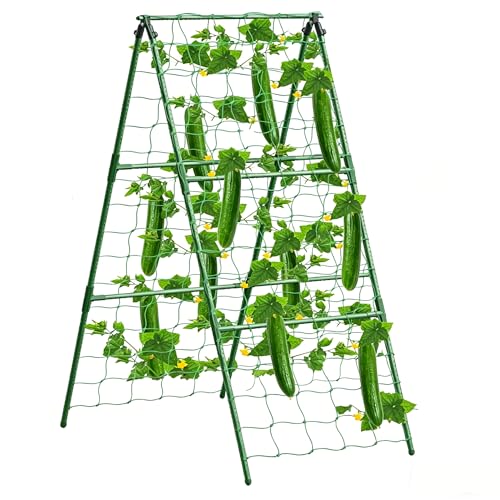
【Package included】:This Trellis for Climbing Plants Outdoor comes complete with everything you need to get started: 17pcs metal stakes, 8pcs T shape connect pipe, 2 A-shaped connectors, and a 0.9x1.8meter plant net.
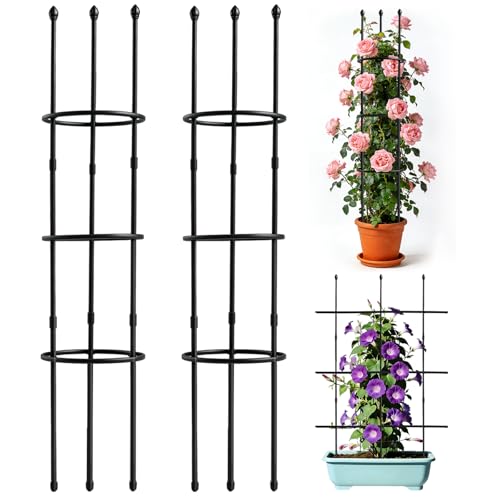
【Two Installation Methods】Our garden trellis can be configured into two types of plant trellis (panel stands and plant cages). You can also combine two or more panels together to form a larger plant stand panel or plant cage. Adjustable plant supports can meet your different plant support needs.

【Waterproof and Durable】: Our obelisk trellis is made of metal tubes and PE plastic coating, which prevents the tower from rusting, waterproof and able to withstand all kinds of weather conditions, ensuring a long service life.
Plant Variety
Different tomato plant varieties have varying space requirements based on their growth habits. Determinate tomatoes, which grow to a specific height and then stop, can be placed closer together as they don’t require as much room. Indeterminate tomatoes, on the other hand, continue to grow throughout the season and need more space between plants to thrive. Consider the specific variety you’re planting when spacing your tomato plants to provide adequate room for each plant’s development.
Gardening Method
The method of gardening you choose can also influence how far apart your tomato plants should be placed. If you’re using traditional in-ground planting, ensure that there is enough distance between each plant within a row and between rows to allow for proper airflow and sunlight exposure. For raised bed or container gardening, adjust the spacing based on the size of the container or bed to accommodate the roots’ growth and prevent overcrowding.
By considering these factors when spacing your tomato plants, you’ll create an environment that promotes healthy growth, reduces disease risks, and ultimately leads to a bountiful harvest.
Practical Tips for Planting Tomatoes
Recommended Products

HEAVY-DUTY METAL CONSTRUCTION – Made from strong plastic-coated steel, these tomato cages provide reliable support for tall, heavy plants. Built to withstand outdoor conditions season after season without bending or collapsing.

[VARIATY SHAPE & SIZE STRUCTURE]: You can build 6pcs triangular tomato cage up to 48inch high by the set. Snap-on arms design also makes it possible to create in different heights squares, hexagons or garden trellis depending on the size of plants, to fit garden beds, raised beds, or plant pot, perfect for maximizing growing space and help your plant grow vertically

1. Package Include:You will get 12 pcs plant support stakes, size measure 6.25"W X 9.8"H.Sufficient quantities to meet your needs
Tools and Techniques for Measuring Space
To ensure your tomato plants have the right amount of space for optimal growth, you can use simple tools and techniques to measure and maintain proper spacing. Here are some practical suggestions:
- Garden Ruler: A garden ruler or measuring tape can help you accurately space out your tomato plants according to their specific requirements.
- Plant Spacing Guides: Utilize plant spacing guides provided by seed packets or reputable gardening resources to determine the ideal distance between each tomato plant.
- String Method: For straight rows, tie a string between two stakes at the recommended distance to guide planting alignment.
By employing these tools and techniques, you’ll be able to establish an organized layout that promotes healthy development and efficient care of your tomato plants.
Adjustments for Garden Size
Depending on the size of your garden, you may need to make adjustments to accommodate the spacing needs of your tomato plants effectively. Consider the following tips:
- Small Gardens: In compact spaces, utilize vertical gardening techniques such as trellising or cages to support tomatoes while maximizing ground area.
- Large Gardens: For extensive gardens, plan rows with adequate walking space between them for easy access during maintenance tasks like watering, weeding, and harvesting.
Adapting your planting strategies based on your garden size ensures that each tomato plant receives ample space to thrive while optimizing your overall gardening experience.
Conclusion
Ensuring the proper spacing of your tomato plants is crucial for their overall well-being and productivity. By providing adequate room between each plant, you can optimize air circulation, sunlight exposure, and maintenance efforts. Remember that different tomato varieties have unique space requirements based on their growth patterns, with determinate types needing less space compared to indeterminate ones. Whether you opt for traditional in-ground planting or raised bed/container gardening, the spacing between your tomato plants plays a significant role in their development. Utilize tools like garden rulers and plant spacing guides to accurately position your plants for optimal results. With careful consideration of these factors and the implementation of suitable techniques, you’ll create an environment conducive to robust growth, reduced disease vulnerability, and abundant harvests from your tomato plants.
Frequently Asked Questions
Why is proper spacing essential for tomato plants?
Proper spacing for tomato plants is crucial as it allows for improved air circulation, adequate sunlight exposure, and easier maintenance. It helps prevent overcrowding, which can lead to disease issues and hinder plant growth and productivity.
How do different tomato varieties influence plant spacing requirements?
Different tomato varieties have varying space requirements based on their growth habits. Determinate tomatoes typically need less space compared to indeterminate ones because of their compact growth patterns.
How does the gardening method impact tomato plant spacing?
The gardening method chosen, whether traditional in-ground planting or raised bed/container gardening, affects plant spacing. Raised beds or containers may require closer spacing due to limited space availability compared to in-ground planting.
What are some practical tips for ensuring accurate tomato plant spacing?
Use tools like garden rulers and plant spacing guides to ensure precise and uniform spacing between tomato plants. These tools help maintain an appropriate distance that promotes healthy growth and development.
How can gardeners adjust tomato plant spacing based on garden size?
For small gardens, consider techniques like trellising to maximize vertical space efficiently. In larger gardens, plan rows with walking space between them to allow easy access for maintenance while accommodating optimal tomato plant spacing.
