

Ever wondered why your carrots end up all tangled and stunted? Picture this: You excitedly plant your carrot seeds, only to discover a crowded mess of twisted roots later on. Frustrating, right? But fear not, we’ve got your back! In this article, we’ll unravel the mystery of carrot spacing and show you the secret to growing straight, healthy carrots in your own backyard.
Importance of Proper Carrot Spacing
Carrot spacing is crucial for optimal growth and development. When carrots are sown too closely together, they end up competing for resources like water, nutrients, and sunlight. This results in stunted growth and deformed roots. On the other hand, if carrots are spaced properly, each plant has ample room to grow and develop a straight, healthy root.
Proper spacing also helps to reduce the risk of disease. Air circulation is improved between the plants, reducing the likelihood of fungal infections. Additionally, weeds are easier to manage in a well-spaced carrot patch, as there are fewer gaps for unwanted plants to take root.
How far apart should you space your carrots?
- For most carrot varieties, aim to space your seeds about 1-2 inches apart. This allows sufficient space for each seed to germinate without overcrowding. Once the seedlings reach about 2 inches in height, thin them out to 3-4 inches apart. This final spacing ensures that each carrot has enough room to grow to its full potential.
- Consider the mature size of the carrot variety you are planting. Larger varieties may require more space between plants to develop properly.
- Maintain consistent moisture in the soil to promote uniform germination and growth. Dry spells can stunt growth and lead to irregularly shaped carrots.
- Avoid overcrowding your carrot patch, as this can result in twisted or forked roots. Thin your seedlings as needed to ensure each plant has the space it needs.
Understanding Carrot Spacing Guidelines
When it comes to carrot spacing, following proper guidelines is key to ensuring successful growth. Here are some essential points to keep in mind:
- Initial Seed Spacing: Plant your carrot seeds 1-2 inches apart initially. This spacing allows each seed enough room to germinate and establish its root system without competing with neighboring seeds.
- Thinning Seedlings: Once your carrot seedlings reach 2 inches in height, you’ll need to thin them out to give each plant adequate space to grow. Thin the seedlings to 3-4 inches apart to prevent overcrowding and promote healthy root development.
- Variety Matters: Consider the mature size of the carrot variety you’re planting. Some varieties naturally require more space between plants to reach their full potential without crowding.
- Consistent Moisture: Ensure your carrot plants receive consistent soil moisture. Inadequate watering can lead to irregular growth patterns and affect root development.
Factors Influencing Carrot Spacing
Factors Influencing Carrot Spacing
When determining carrot spacing, there are several key factors to consider to ensure successful growth.
Carrot Variety
- Consider the mature size of the carrot variety you are planting. Some varieties require more space between plants to allow for proper development.
Soil Quality
- Optimal soil conditions are crucial for carrot growth. Ensure your soil is loose, well-draining, and free of rocks to allow adequate space for the roots to expand.
Sunlight Exposure
- Carrots thrive in full sun. Ensure your planting area receives at least 6-8 hours of sunlight daily for healthy growth and development.
Temperature
- Carrots prefer cooler temperatures. Planting in early spring or late summer can help provide the ideal growing conditions for your carrots.
- Consistent soil moisture is essential for carrot growth. Aim to keep the soil evenly moist, but not waterlogged, to support proper root development.
By considering these factors, you can determine the ideal spacing for your carrots and set them up for success in your garden.
How to Space Carrots Correctly
When it comes to spacing carrots correctly in your garden, there are essential steps to follow to ensure optimal growth and a bountiful harvest. Here’s a simple guide to help you get it right:
- Start by preparing the soil thoroughly. Loose, well-draining soil is key for healthy carrot development.
- Sow your carrot seeds directly into the soil. Ensure the area is weed-free to prevent competition for nutrients.
- Space your carrot seeds about 2-4 inches apart to give them ample room to grow without overcrowding.
- As your carrot seedlings emerge, thin them out by removing excess plants to maintain appropriate spacing. Aim for final spacing of 2-3 inches between mature carrot plants.
- If you’re planting in rows, space your rows about 12-18 inches apart to allow for easy access and adequate airflow.
- Consider using companion plants like onions, leeks, or tomatoes to maximize space efficiency and naturally deter pests.
Recommended Products

Precise Planting Measurement: The foldable plant ruler is designed to provide precise measurements for seed spacing, ensuring optimal growth for a variety of vegetables including carrots, tomatoes, peas, potatoes, and cabbage.

Precise Spacing for Better Growth - This seed spacers planting tool helps you mark evenly spaced seed positions and straight planting rows, giving plants more consistent room to grow while improving garden organization and reducing guesswork.
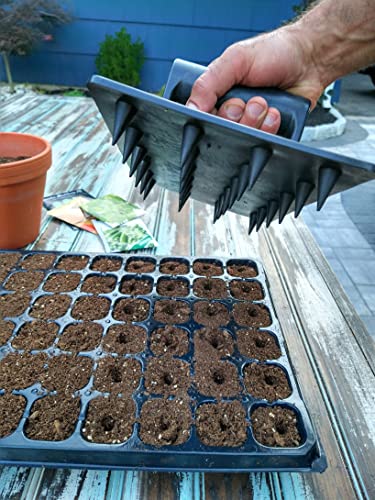
Efficiently start seeds indoors by creating perfect planting holes in 72-cell seed trays
Tips for Maintaining Optimal Carrot Spacing
When spacing your carrots in the garden, there are a few key tips to keep in mind to ensure healthy growth and a bountiful harvest:
- Consistent Thinning: Regularly thin your carrot seedlings to 2-3 inches apart. Overcrowding can lead to stunted growth and misshapen roots.
- Use Markers: Place visible markers in the soil to guide your spacing while planting. This helps you maintain the recommended distance between seeds.
- Consider Varieties: Different carrot varieties may require slightly varied spacing. Refer to seed packets or catalog descriptions for specific instructions.
- Avoid Disturbance: Once plants are spaced appropriately, avoid disturbing the soil around them to prevent root damage and ensure steady growth.
- Monitor Moisture: Check soil moisture regularly to ensure even growth and prevent issues like forked roots due to inconsistent watering.
| Key Facts | |
|---|---|
| Optimal Spacing | 2-3 inches |
| Rows Spacing | 12-18 inches |
| Healthy Growth | Consistent Thinning |
| Avoidance | Overcrowding |
By following these tips for maintaining optimal carrot spacing, you can set the stage for a successful carrot harvest in your garden.
Conclusion
Maintaining the right spacing for your carrots is crucial for a successful harvest. By consistently thinning out your plants, using markers for accuracy, and choosing the appropriate varieties, you can ensure optimal growth. Remember to avoid disturbing the soil once your carrots are spaced correctly and keep an eye on soil moisture levels. With a spacing of 2-3 inches between plants and 12-18 inches between rows, you’ll set yourself up for a bountiful harvest. Follow these simple guidelines, and you’ll be on your way to enjoying fresh, homegrown carrots in no time. Happy gardening!
Frequently Asked Questions
What is the optimal spacing for carrots in a garden?
Carrots should be spaced 2-3 inches apart within rows.
How far apart should rows of carrots be?
Rows of carrots should be spaced 12-18 inches apart.
Why is consistent thinning important for carrot growth?
Consistent thinning prevents overcrowding, allowing carrots to grow healthily.
Should I use markers when planting carrots for accuracy?
Using markers can help ensure precise spacing between carrot seeds or seedlings.
Can different carrot varieties have varying spacing needs?
Yes, consider different carrot varieties as they may require different spacing configurations.
Is it advisable to disturb the soil around carrot plants once spaced correctly?
Avoid disturbing the soil around carrot plants once they are spaced correctly to prevent damage.
Why is monitoring soil moisture important for carrot growth?
Monitoring soil moisture levels ensures even growth and healthy carrot development.
