

Have you ever wondered how E. coli finds its way into your fresh romaine lettuce? You’re not alone. Many people enjoy crisp salads but worry about food safety. Understanding how contamination happens can help you make better choices at the grocery store.
Imagine picking up a beautiful head of romaine, only to hear about an E. coli outbreak later. It’s frustrating and can even be dangerous. This article will break down the common pathways for contamination, so you can be more informed and confident when enjoying your greens. By knowing the risks, you can better protect yourself and your family from foodborne illnesses.
Key Takeaways
- Understanding Contamination Sources: E. coli can contaminate romaine lettuce through fecal matter, contaminated water, and unsafe harvesting or processing practices.
- Preventive Measures: Rinse lettuce thoroughly, wash hands properly, and sanitize kitchen surfaces to minimize the risk of E. coli transmission.
- Selecting Safe Produce: Choose fresh, crisp romaine without damage, and consider purchasing pre-washed varieties for added safety.
- Stay Informed: Regularly check for food safety recalls and warnings related to romaine lettuce to make informed purchasing decisions.
- Farming Practices Matter: Promote safe agricultural methods, such as using treated irrigation water and proper manure management, to reduce contamination risks.
- Environmental Awareness: Recognize how weather patterns and soil conditions can contribute to E. coli presence in crops, influencing food safety.
Overview of E. Coli Contamination
E. coli bacteria can contaminate romaine lettuce through several key pathways. Understanding these pathways helps you take preventive measures.
Sources of Contamination
- Fecal Matter
Fecal contamination often occurs during farming. This can happen when livestock manure is used as fertilizer, or when water contaminated with animal waste irrigates the crops. - Water Supply
Contaminated irrigation water poses a significant risk. Surface water sources can harbor E. coli from runoff, especially after heavy rainfall. - Harvesting and Processing
Cross-contamination might occur during harvesting. Equipment, workers, or surfaces that haven’t been properly sanitized can introduce bacteria to clean produce. - Transportation and Distribution
Transporting lettuce in unsanitized containers can lead to contamination. Sharing trucks for different products increases the risk of cross-contact. - Consumer Handling
E. coli can enter your kitchen through improper handling. Contaminated hands, utensils, or cutting boards can transfer bacteria to your lettuce.
- Wash Thoroughly: Rinse romaine lettuce under running water to remove surface dirt and possible contaminants.
- Have Clean Hands: Always wash your hands with soap before and after handling food.
- Sanitize Surfaces: Regularly clean cutting boards and kitchen counters to avoid cross-contamination.
- Check Labels: Purchase pre-washed, packaged lettuce when available, as these undergo additional safety measures.
- Stay Informed: Keep up with food safety recalls or warnings related to romaine lettuce to make informed choices.
By recognizing how E. coli contaminates romaine lettuce and implementing these prevention tips, you can reduce your risk of foodborne illness while enjoying fresh salads.
Sources of E. Coli in Agriculture
E. coli contamination in romaine lettuce often stems from several key agricultural sources. Understanding these sources helps you minimize risks when enjoying fresh salads.
Recommended Products

Red Romaine: Features vibrant red-tinged leaves with green bases, offering a mild, slightly sweet flavor and crisp texture ideal for salads and garnishes.

Compact Mini Romaine - Grow Little Gem lettuce with crisp green leaves and tender pale hearts. Its upright heads reach about 6-8 inches tall, a useful size for containers, raised beds and individual salads.

Lettuce, Red Leaf Romaine Lettuce Seeds, NON-GMO, 50+ seeds per package, Healthy Hearty , A great addtion to any salad. Jacobs LAdder Ent.
Animal Manure as a Fertilizer
Animal manure can introduce E. coli into soil and crops. When organic fertilizers are not properly treated, pathogens in the manure may persist. Use aged or composted manure to reduce contamination risks, as these methods can kill harmful bacteria. Additionally, avoid applying manure close to harvest time to limit exposure.
Water Supply Contamination
Contaminated water supply poses a significant threat to lettuce safety. E. coli can enter irrigation systems from livestock runoff or nearby untreated waste. Always monitor the water source for safety standards. Reliable filtration and testing methods help ensure clean water for irrigation, protecting crops from contamination. Incorporate water quality checks at regular intervals to maintain safe agricultural practices.
Farming Practices and Risks
Farming practices significantly influence the risk of E. coli contamination in romaine lettuce. Understanding these practices helps you make informed choices while shopping.
Recommended Products

【Upgraded Tube Design & Water Saving】 Our garden watering system is upgraded to 1/2” diameter to support high water pressure. The 1/2” tee connector allows seamless splitting into 2 independent zones for customized watering schedules. By delivering moisture directly to root zones, this drip Irrigation system significantly reduces evaporation and runoff—saving more water compared to conventional sprinklers while eliminating the need for manual watering.
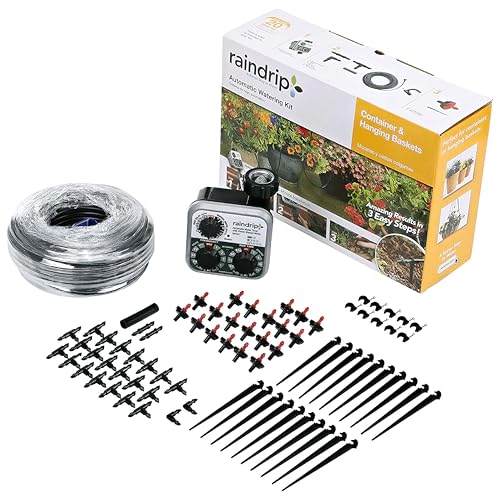
Save Time and Effort: This Raindrip drip irrigation kit includes everything you need to create a drip watering system for potted plants and precisely water up to twenty plants, saving time and effort while keeping your garden healthy

Irrigation Practices
Irrigation plays a crucial role in growing romaine lettuce. Contaminated water can introduce E. coli into crops. You’ll find that runoff from nearby livestock facilities often carries harmful bacteria into irrigation sources. Using treated water reduces this risk.
Farmers should regularly test water quality and ensure that irrigation systems are free from contamination. Implementing drip irrigation instead of overhead watering can also minimize exposure to pathogens since it directly delivers water to the roots.
Handling and Processing
Handling and processing methods are key to ensuring lettuce safety. When workers harvest, any contact with contaminated soil or equipment can spread E. coli. You can expect that farms with strict hygiene protocols see lower contamination rates.
Washing lettuce thoroughly after processing is essential. This step removes potential bacteria, yet it’s not foolproof. Consider looking for pre-washed lettuce to reduce risk. It’s also vital to ensure that processing areas maintain cleanliness, with regular sanitation of surfaces and tools used during harvest and packaging.
By implementing proper irrigation techniques and hygiene practices, farms can considerably lower the risk of E. coli in romaine lettuce.
Environmental Factors Contributing to Contamination
Environmental factors play a significant role in E. coli contamination of romaine lettuce. Understanding these factors can help you make informed choices about food safety.
Soil Conditions
Soil quality directly impacts the likelihood of E. coli contamination. Untreated animal manure can contaminate the soil with harmful bacteria. If manure isn’t composted or aged, it poses a higher risk. Consider using organic waste, as it helps improve soil health and reduces pathogen presence. The use of cover crops can also enhance soil structure, preventing runoff and contamination.
Weather Patterns
Weather influences E. coli prevalence, especially through rainfall and temperature fluctuations. Heavy rain can lead to runoff from animal facilities, transporting E. coli into nearby fields. Warm temperatures can accelerate bacterial growth, increasing contamination risks. Monitoring local weather patterns enables farmers to adjust irrigation practices, employing methods like drip irrigation to minimize water contact with the soil during heavy rains, thus reducing exposure.
Preventative Measures for Consumers
You can take specific actions to minimize the risk of E. coli contamination from romaine lettuce. Understanding proper washing techniques and selecting fresh produce plays a crucial role in keeping your salads safe.
Washing and Preparation
Start by thoroughly washing your hands with soap and water before handling any food. Rinse romaine lettuce under cold running water for at least 30 seconds. Remove any outer leaves that look damaged or wilted. Use a clean vegetable brush to scrub firm-skinned vegetables, even if you plan to discard the skin.
After washing, dry the lettuce with a clean paper towel or a salad spinner. This step helps remove any residual bacteria. If you’re preparing a salad, avoid using the same cutting board for raw meats and veggies unless you’ve washed it between uses. Cross-contamination can easily occur.
Selecting Fresh Produce
When you shop for romaine lettuce, check for freshness indicators. Look for crisp leaves with a rich color and no visible signs of decay or brown spots. Avoid packages with excess moisture, as this can indicate spoilage. Always check for labels that denote pre-washed or ready-to-eat produce.
Fruits and vegetables that are organic may carry a reduced risk of contamination, but washing is still essential. Pay attention to product recalls or safety alerts regarding E. coli contamination in your area to avoid affected items. Keeping informed helps ensure you make healthier choices for yourself and your family.
Conclusion
Staying informed about E. coli contamination in romaine lettuce helps you make safer choices at the grocery store. By understanding how contamination occurs and implementing simple prevention tips, you can enjoy fresh salads with confidence.
Remember to wash your hands and produce thoroughly and be mindful of cross-contamination in your kitchen. Selecting quality lettuce and staying updated on recalls further protects you and your loved ones.
With a little knowledge and care, you can savor your favorite salads while minimizing risks. Happy eating!
Frequently Asked Questions
What is E. coli, and why is it a concern for romaine lettuce?
E. coli is a bacteria that can cause severe foodborne illness. It is a concern for romaine lettuce due to potential contamination from sources like fecal matter, contaminated water, and improper handling, which can lead to serious health issues when consumed.
How does contamination of romaine lettuce typically occur?
Contamination typically occurs through fecal matter from livestock, contaminated irrigation water, cross-contamination during harvesting, and unsanitized transportation methods. Additionally, improper handling by consumers can contribute to the spread of bacteria.
What practices can farmers implement to reduce E. coli contamination risks?
Farmers can use treated water for irrigation, implement drip irrigation systems, and follow strict hygiene protocols during harvesting and processing. Using aged or composted manure instead of untreated manure can also help reduce contamination risks.
How can consumers minimize the risk of E. coli contamination when handling lettuce?
Consumers should wash their hands before handling food, rinse romaine lettuce under cold running water, and remove any damaged outer leaves. It’s also important to avoid cross-contamination by using separate cutting boards for meats and vegetables.
Should I buy pre-washed romaine lettuce to avoid E. coli?
Yes, buying pre-washed romaine lettuce can reduce the risk of contamination, but it’s essential to wash it again to be safe. Always check for crisp leaves and avoid packages with excess moisture when selecting fresh produce.
What environmental factors contribute to E. coli contamination in lettuce?
Environmental factors such as soil conditions and weather patterns play a role in E. coli contamination. Heavy rainfall can cause runoff from livestock areas, and untreated manure can contaminate soil, highlighting the need for proper monitoring and practices.
Are organic lettuce varieties safer from E. coli contamination?
While organic lettuce may carry a reduced risk of E. coli contamination due to different farming practices, it is still crucial to wash all produce thoroughly. Staying informed about product recalls is also important for ensuring safety.
