

Have you ever wondered if your garden can handle a full sun lettuce patch? Many gardeners face this question, especially when trying to balance vibrant greens with the right amount of sunlight. Lettuce is a popular choice for home gardens, but not all varieties thrive in the blazing sun.
Key Takeaways
- Lettuce Light Requirements: Lettuce thrives in 6 to 8 hours of moderate sunlight; while it’s suited for full sun, excessive heat can cause stress and bolting.
- Temperature Preferences: Ideal growth occurs between 60°F and 70°F. Protect lettuce from extreme heat with shade cloth when temperatures rise, especially in summer.
- Benefits of Full Sun: Full sun exposure accelerates growth rates and enhances flavor profiles, resulting in crisper and sweeter lettuce varieties like Butterhead and Romaine.
- Drawbacks to Consider: Be aware of the risk of bolting due to high temperatures and increased water needs in full sun. Choose bolt-resistant varieties and maintain consistent soil moisture.
- Best Practices for Care: Use well-draining soil, incorporate organic matter, and employ proper watering techniques such as drip irrigation to support healthy growth in full sun conditions.
Understanding Lettuce Growth Requirements
Lettuce growth hinges on several critical factors, including light and temperature. Knowing them helps you create an ideal environment for your crops.
Recommended Products

【2-IN-1 DESIGN】This Warmfarm garden cloche tunnel comes assembled with 6 hoop stakes & a drawstring to open and close the access points. Accessible from either end & folds accordion style to allow access to any part of your garden row with ease!

36 PCS Garden hoops for Raised Bed : Greenhouse Hoops frame widely used indoors and outdoors, great for the yard, vegetable garden, and garden raised beds. DIY Garden Hoops Grow Tunnel Kit works well to protect your plants, seedlings, herbs flowers,strawberry in any season gardening plant.Plant support for climbing plants,plant stakes for outdoor plants,Tomato support garden stakes.

More Larger Sizes Rectangular Plant Covers Freeze Protection: The Garutom frost plant covers are available in three sizes (8 ft x 24 ft, 10 ft x 33 ft, 10 ft x 50 ft), you can choose the size you need most. The plant blanket can be easily cut with scissors to fit over whatever you want
Optimal Light Conditions
Lettuce thrives in moderate sunlight. Six to eight hours of direct sunlight promotes healthy growth. Some varieties, like butterhead, handle partial shade better, especially in warmer climates. You can grow lettuce in full sun, but be cautious. Excessive heat can cause stress, leading to bolting—where the plant flowers and goes to seed prematurely. If your garden bakes in the sun, consider planting lettuce in early spring or late summer.
Temperature Preferences
Lettuce prefers cooler temperatures, ideally ranging from 60°F to 70°F. Extreme heat can stunt growth and affect flavor. Plant lettuce when the temperature consistently stays within this range. If you experience high summer temperatures, use shade cloth or row covers for protection. This approach extends your growing season and improves plant quality. Keep an eye on overnight lows, as frost can damage young seedlings.
Benefits of Full Sun for Lettuce
Full sun offers many advantages for growing lettuce. Providing ample sunlight fosters healthy growth, vibrant colors, and rich flavors. Here’s how full sun contributes to lettuce cultivation.
Increased Growth Rates
In full sun conditions, lettuce experiences accelerated growth. When exposed to 6 to 8 hours of direct sunlight, lettuce quickly develops strong roots and lush leaves. For example, leaf lettuce varieties often reach maturity faster when grown under full sun, allowing for earlier harvests. This rapid growth helps maximize yields for gardeners looking for efficient production.
Enhanced Flavor Profiles
Full sun enhances the flavor of lettuce, making it taste fresher and crisper. Lettuce grown in sunny conditions absorbs more photosynthetic energy, leading to sweeter, more robust leaves. For instance, varieties like Butterhead and Romaine exhibit bolder flavors when nurtured in full sunlight. You’ll likely notice a delightful difference in taste when comparing lettuce from full sun versus those grown in partial shade.
Potential Drawbacks of Full Sun Exposure
Lettuce thrives in full sun, but some drawbacks exist that gardeners should consider. Here are essential aspects to keep in mind.
Recommended Products

YEAR-ROUND GARDEN FAVORITE – Dependable butterhead lettuce that thrives in cool or moderate weather for consistent harvests from spring through fall, even under cover in winter

Exceptional Germination Rates - Achieve a lush garden effortlessly with our Butter Crunch Lettuce seeds, boasting high germination rate. Ideal for both beginners and experienced gardeners, ensuring a successful harvest every time.

USDA Certified Organic by Oregon Tilth
Risk of Bolting
Lettuce is prone to bolting when exposed to excessive heat and sunlight. Bolting causes the plant to flower and produce seeds, resulting in a bitter taste. For instance, when temperatures rise above 75°F, bolting becomes more likely, especially in heat-sensitive varieties. To mitigate this, choose bolt-resistant varieties or plant lettuce in early spring or late summer. Additionally, using shade cloth can help reduce heat stress and slow down the bolting process.
Water Requirements
Full sun exposure increases the water needs of lettuce plants. Daily watering may be necessary, especially during hot spells, as soil can dry quickly. For healthy growth, ensure the soil remains consistently moist but not soggy. A layer of mulch can help retain moisture and keep the soil temperature stable. Regularly check for wilting leaves, which signals a need for more water. Using drip irrigation or soaker hoses offers an efficient way to maintain hydration without overwatering.
Best Practices for Growing Lettuce in Full Sun
Growing lettuce in full sun can yield vibrant, tasty greens with the right practices. Focus on the following tips for optimal growth.
Recommended Products
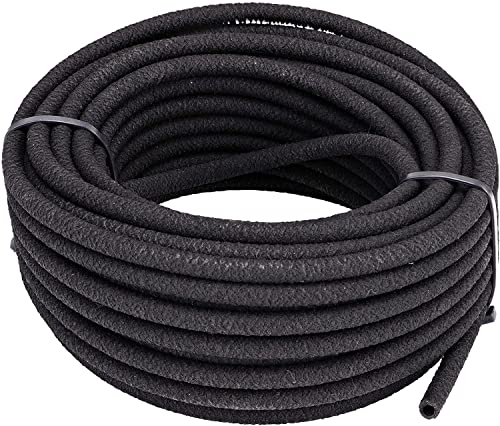
Slowly waters the soil around your plants for complete root zone hydration; Ideal for short runs on flat surfaces, such as vegetable gardens, borders, and around small plants

Higher Cost Performance Provide: enough length soaker hoses to get higher cost performance,and our 1/4 " diameter soaker hose set not only include 100 Ft length soaker hose but also include a rich range of accessories for a variety of uses,help you make custom length soaker hoses cheap & easy.

【Even & Consistent Root Watering】Features micro-pore seepage technology that distributes water evenly along the entire hose, transforming spot watering into uniform line watering directly to plant roots. Unlike traditional drip irrigation systems with clog-prone emitters, this soaker hose creates a continuous moisture band for healthier, deeper-rooted plants
Soil Preparation Tips
Select well-draining soil with a pH level between 6.0 and 6.8. Improve soil by incorporating organic matter, such as compost or well-rotted manure. Ensure that your soil is mulched to retain moisture and regulate temperature. Test soil moisture regularly; it should feel like a damp sponge.
Proper Watering Techniques
Water your lettuce daily, especially during hot spells. Soak the soil to a depth of about 6 inches, promoting deep root growth. Use drip irrigation, soaker hoses, or a watering can to target the soil directly and minimize evaporation. During particularly warm days, consider watering again in the late afternoon to help prevent wilting.
Conclusion
Growing lettuce in full sun can be rewarding if you pay attention to its specific needs. By choosing the right variety and managing sunlight exposure you can enjoy a bountiful harvest. Remember to keep an eye on temperatures and provide adequate water to prevent stress on your plants.
With a bit of care and planning your lettuce patch can thrive under the sun. Embrace the journey and watch your garden flourish with vibrant greens. Happy gardening!
Frequently Asked Questions
How much sunlight does lettuce need?
Lettuce thrives with 6 to 8 hours of moderate sunlight daily. Some varieties can tolerate partial shade, especially in warmer climates, to prevent bolting.
What is the ideal temperature for growing lettuce?
The ideal temperature for growing lettuce is between 60°F and 70°F. Extreme heat can hinder growth and increase the risk of bolting.
When should I plant lettuce for the best results?
For optimal growth, plant lettuce in early spring or late summer to take advantage of favorable temperatures and avoid growing conditions that can cause bolting.
What are the benefits of full sun for lettuce?
Growing lettuce in full sun promotes faster growth rates, enhances flavor, and produces healthier plants. However, it requires careful management of moisture and temperature.
How can I prevent bolting in lettuce?
To prevent bolting, consider planting heat-tolerant lettuce varieties, providing adequate shade during hot weather, and timing your planting to avoid peak summer heat.
What soil conditions are best for lettuce?
Lettuce prefers well-draining soil with a slightly acidic to neutral pH. Amending your soil with organic matter and ensuring proper drainage will support healthy growth.
How should I water lettuce grown in full sun?
Water lettuce daily, ensuring deep soaking. Using drip irrigation or soaker hoses can help minimize evaporation and maintain consistent moisture levels, especially during hot spells.
