

Ever wondered how those vibrant orange carrots end up producing seeds? It’s a fascinating journey from root to seed that holds the key to future harvests. Have you ever found yourself curious about the magic behind this process?
Picture this: You’re in your garden, admiring the lush green carrot tops, and you start pondering about how these humble roots transform into seeds for the next planting season. It’s a common wonder among gardeners and nature enthusiasts alike.
Carrot Plant Life Cycle
In the Carrot Plant Life Cycle, it all begins with the planting of carrot seeds in the soil. These seeds germinate and tiny carrot seedlings begin to emerge from the ground. As they grow, these seedlings develop into mature carrot plants with vibrant green foliage.
Carrot plants then enter the crucial stage of flowering. When the conditions are right, the plants produce delicate white umbel flowers. These flowers are essential for the formation of seeds later in the cycle.
After pollination by insects, the flowers develop into seeds. From each flower head, multiple seeds mature and eventually become the carrot seeds that can be harvested for the next planting season.
Throughout this cycle, proper care and maintenance of the carrot plants are crucial to ensure the health and vitality of the crop. This includes watering, weeding, and monitoring for pests that could harm the plants and affect the seed production process.
Understanding the Carrot Plant Life Cycle can offer valuable insights for gardeners looking to grow their own carrots and harvest seeds for future plantings. By following this cycle closely, you can witness the fascinating journey from a tiny seedling to a mature carrot plant producing seeds for seasons to come.
Flowering Stage
When carrot plants reach the Flowering Stage, they produce white umbel flowers. These delicate blooms are not just beautiful; they play a vital role in seed production. The flowers undergo pollination with the help of insects, setting the groundwork for seed development.
During the flowering phase, it’s crucial to monitor the progress closely. Healthy flowers will eventually develop into seeds, which are essential for future harvests. By ensuring optimal conditions and careful observation, you can maximize the seed yield from your carrot plants.
Embracing the process from flower to seed, you’ll witness the cycle of life that sustains the growth and regeneration of carrot seeds for seasons to come.
Pollination Process
Pollination is an essential step in the carrot plant life cycle, where insects play a crucial role. When visiting the umbel flowers, insects like bees help transfer pollen between flowers, enabling fertilization. This fertilization process is what kickstarts seed development in carrots.
Without proper pollination, seed development may be limited, impacting the overall seed yield and quality. Therefore, ensuring a healthy population of pollinators in your garden is beneficial for robust seed production.
By observing and supporting the pollination process, you can contribute to the sustainability of carrot seed production. Remember, each step in the pollination process is essential for the creation of viable carrot seeds.
| Insects Involved | Benefits of Pollination |
|---|---|
| Bees | Efficient pollen transfer |
| Butterflies | Diverse pollinator species |
| Hoverflies | Increased pollination rates |
| Beetles | Pollination in various conditions |
Recommended Products

Premium Seeds: Tendersweet heirloom carrot variety offering approximately 2600 seeds for extensive garden planting and multiple growing seasons

Sweet, Coreless Roots: Heirloom carrots with tender 9-10 inches orange taproots and high sugar content. Grow in 3-10 USDA zones. Great carrots seeds for planting in any home garden.
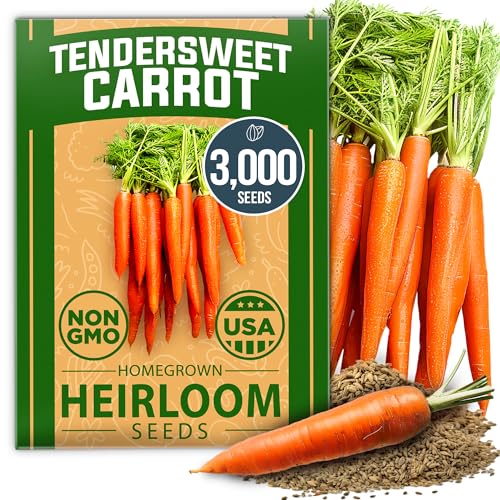
Premium Tendersweet Carrot Seeds: Authentic Open-Pollinated Premium Heirloom Seeds (USA) Non-GMO, Untreated, High Germination Rate. Phenomenal dessert Brix profile. High-impact carotene energy. An outstanding orange monolith for open ground, high ridges, and patio containers. Your garden bed is your pride.
Seed Development
When a carrot plant flowers, it signals the start of seed development. The umbel flowers contain both male and female parts, with pollen needing to reach the stigma for fertilization.
- Fertilization triggers the production of seeds, starting the process within the flower.
- Each seed contains the genetic material needed for a new carrot plant to grow.
Carrot seeds form within the fruit after successful fertilization. These seeds are essential for growing new carrot plants.
- Proper pollination plays a crucial role in Seed Development.
- Insects like bees and butterflies aid in efficient pollen transfer for successful seed production.
Supporting pollinators in your area can contribute to healthy seed development and high seed yield.
Harvesting Carrot Seeds
When it’s time to harvest carrot seeds, you want to make sure they’re fully matured. Here’s how you can do it:
- Check the Seeds: Make sure the seeds have turned from white to brown. This color change indicates they’re ripe for harvesting.
- Seed Head Collection: Cut the seed heads off the plants and place them in a paper bag. Hang the bag upside down in a dry, well-ventilated area.
- Seed Separation: Once the seeds are fully dried, gently crush the seed heads to extract the seeds.
- Storage: Store the seeds in a cool, dry place in a labeled container until you’re ready to plant them.
By following these steps, you can successfully harvest carrot seeds for future planting.
Conclusion
Now that you understand the process of harvesting carrot seeds, remember the key steps to ensure successful seed collection. By waiting for the seeds to fully mature, checking for the color change, collecting the seed heads in a paper bag, drying them, and storing them properly, you can set yourself up for future planting success. Happy gardening!
Frequently Asked Questions
When is the right time to harvest carrot seeds?
Carrot seeds should be fully matured before harvesting. Wait until the seed heads turn from white to brown before harvesting.
How do I harvest carrot seeds?
- Check the color change of seed heads to brown.
- Collect seed heads into a paper bag.
- Dry the seeds.
- Store properly for future planting.
Why is it important to ensure carrot seeds are fully matured before harvesting?
Harvesting immature seeds can result in poor germination rates and lower seed viability, impacting the success of future plantings.
How should I store harvested carrot seeds for future planting?
Store dried carrot seeds in a cool, dry place in airtight containers or sealed envelopes to maintain seed viability for the next planting season.
