

Ever wondered how those tiny carrot seeds you plant grow into vibrant orange veggies? Picture this: you’re savoring a crisp carrot from your garden, but have you ever stopped to think about how it all started? In this article, you’ll uncover the fascinating journey of how carrot plants produce seeds.
Have you ever faced the dilemma of running out of carrot seeds for your garden? Understanding how carrot plants make seeds will not only satisfy your curiosity but also empower you to grow an endless supply of these nutritious root vegetables. Get ready to dive into the world of carrot plant reproduction and discover the secrets behind seed production.
The Lifecycle of a Carrot Plant
The Lifecycle of a Carrot Plant
When you plant carrot seeds, you initiate a fascinating journey of growth and development. Understanding the lifecycle of a carrot plant is crucial for ensuring a successful harvest of vibrant orange vegetables. Let’s delve into the stages of a carrot plant’s life:
Germination
- Carrot seeds start the process by germinating, sprouting from the soil within 1 to 3 weeks.
- As the seedling emerges, it develops into a young plant with delicate leaves.
Vegetative Growth
- The carrot plant focuses on building a robust root system and leafy green foliage during this stage.
- Adequate water, sunlight, and nutrients are essential for healthy growth.
Formation of the Root
- The root of the carrot plant begins to thicken and elongate to develop the iconic shape we associate with carrots.
- Well-drained soil is necessary to prevent rot and facilitate root development.
Bolting and Flowering
- In optimal conditions, the carrot plant transitions to the bolting stage, where it sends up a flower stalk.
- Carrot flowers bloom, attracting pollinators crucial for seed production.
- After flowering, the carrot plant forms seeds within the flower heads.
- Mature seeds are ready for harvesting and future planting.
By tracing the lifecycle of a carrot plant, you gain insights into the fascinating process of seed production essential for sustaining your garden’s supply of nutritious carrots.
Importance of Seed Production in Carrot Plants
Carrot plants are remarkable in their ability to produce seeds, ensuring a continuous cycle of growth and sustenance. Understanding the importance of seed production in carrot plants is essential for gardeners looking to maintain a self-sustaining harvest. Here’s why it matters:
- Genetic Diversity: Seed production allows for the preservation of genetic diversity within carrot varieties, ensuring resilience against pests and diseases.
- Self-Sufficiency: Producing seeds means you can be self-sufficient, not relying on external sources for your carrot crop year after year.
- Cost-Effective: Saving seeds from your harvest is a cost-effective way to plan for future plantings without purchasing new seeds each season.
- Sustainable Practice: Seed saving promotes sustainable gardening practices, reducing waste and the reliance on commercial seed suppliers.
- Customization: By saving seeds from your best-performing plants, you can customize your crop to suit your preferences and local growing conditions.
- Learning Experience: Engaging in seed production offers a valuable learning experience, enhancing your understanding of the carrot plant lifecycle.
- Community Sharing: You can also share seeds with other gardeners, fostering community engagement and the exchange of knowledge.
- Preserving Heritage: Saving seeds from heirloom carrot varieties plays a crucial role in preserving agricultural heritage for future generations.
By recognizing the significance of seed production in carrot plants, you can contribute to a sustainable gardening ecosystem while enjoying a bountiful harvest each season.
Factors Affecting Seed Production in Carrot Plants
Carrot plants rely on various factors to successfully produce seeds. Here are key aspects that influence the seed production process in carrot plants:
- Temperature: Carrots thrive in cool temperatures, which are ideal for flowering and seed development.
- Pollination: Carrot plants need insects like bees for pollination to occur and ensure seed set.
- Soil Quality: Well-draining soil rich in nutrients supports healthy seed formation.
- Watering: Consistent watering is crucial during seed production to prevent drying out and promote seed maturation.
- Spacing: Proper plant spacing allows for adequate airflow around plants, reducing the risk of diseases that might affect seed production.
- Pest Control: Managing pests effectively is essential to prevent damage to the plants during seed development.
- Weed Management: Weed competition can hinder seed production, so keeping the area around carrot plants weed-free is important.
Incorporating these factors into your carrot plant care routine can significantly impact the quality and quantity of seeds your plants produce.
Pollination Process in Carrot Plants
When it comes to carrot plants, the pollination process is a crucial step in seed production. Here’s how it works:
- Carrot plants are biennial, meaning they have a two-year life cycle.
- In the second year, the plants produce flowers that are important for pollination.
- Pollination occurs by insects, primarily bees, that transfer pollen between carrot flowers.
- This pollen transfer is essential for fertilization and seed development.
- Adequate pollination leads to the formation of healthy seeds with genetic diversity.
To ensure successful pollination in your carrot plants, consider the following tips:
- Plant flowers: Include flowering plants in your garden to attract pollinators.
- Avoid pesticides: Minimize the use of pesticides to protect pollinators.
- Timing is key: Be mindful of the flowering time of your carrot plants to maximize pollination.
By understanding the pollination process in carrot plants and taking necessary steps to support pollinators, you can promote seed production and enhance the quality of your carrot seeds.
Recommended Products

Premium Seeds: Tendersweet heirloom carrot variety offering approximately 2600 seeds for extensive garden planting and multiple growing seasons
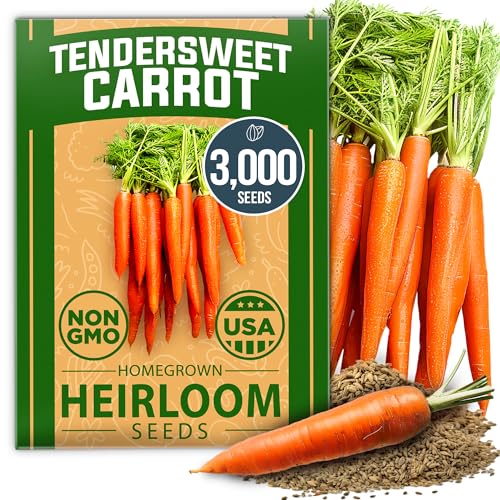
Premium Tendersweet Carrot Seeds: Authentic Open-Pollinated Premium Heirloom Seeds (USA) Non-GMO, Untreated, High Germination Rate. Phenomenal dessert Brix profile. High-impact carotene energy. An outstanding orange monolith for open ground, high ridges, and patio containers. Your garden bed is your pride.

Sweet, Coreless Roots: Heirloom carrots with tender 9-10 inches orange taproots and high sugar content. Grow in 3-10 USDA zones. Great carrots seeds for planting in any home garden.
Harvesting and Storing Carrot Seeds
When it comes to harvesting carrot seeds, it’s crucial to wait until the seed heads have dried and turned brown on the plant. Here are the steps to harvest and store your carrot seeds effectively:
- Harvesting Seeds:
- Gently cut the seed heads from the plant using scissors.
- Place the seed heads in a paper bag and store them in a warm, dry place to continue drying.
- Extracting Seeds:
- Once the seed heads are fully dry, gently crush them with your fingers to release the seeds.
- Remove any remaining plant debris from the seeds.
- Storing Seeds:
- Place the seeds in a small paper envelope or a glass jar for storage.
- Label the container with the seed variety and the date of harvesting.
- Store the seeds in a cool, dark place with low humidity to maintain their viability.
By following these simple steps, you can successfully harvest and store carrot seeds for future planting. Remember to store them properly to ensure they remain viable for the next growing season.
Recommended Products

Sweet Scarlet Nantes Roots - Grow orange, nearly coreless carrots with a tender bite and classic cylindrical shape. Harvest roots around 6-7 inches for fresh garden snacks, salads, roasting, soups and juicing.


Packaging content: Includes 2 sizes of seed storage boxes, measuring 14 x 4.2 x 4.7 inches and 11.8 x 3.7 x 3.7 inches respectively. It can accommodate around 100 or 70 standard sized seed packs respectively (the quantity may vary depending on the thickness of different seed packs).
Conclusion
Now you know the simple yet crucial steps to harvest and store carrot seeds effectively. By waiting for the seed heads to dry and following the recommended process, you can ensure that your carrot seeds remain viable for future planting. Remember to store them in a labeled container in a cool, dark place with low humidity to maintain their quality. With these tips, you’re all set to enjoy a successful next growing season with your own homegrown carrots. Happy gardening!
Frequently Asked Questions
How should I harvest carrot seeds?
To harvest carrot seeds, wait for the seed heads to dry and turn brown on the plant. Cut the seed heads, dry them in a paper bag, crush the dried heads to extract the seeds, remove debris, and store the seeds in a labeled container in a cool, dark place with low humidity.
How long can properly stored carrot seeds remain viable?
Properly stored carrot seeds can remain viable for future planting, ensuring a successful next growing season.
