

Importance of Planting Beet Seeds at the Correct Depth
When planting beet seeds, getting the depth right is crucial for a successful harvest. Planting at the correct depth can impact germination rates, root development, and overall plant health.
Key Points:
- Planting too shallow can lead to seeds drying out, affecting their ability to sprout.
- Planting too deep can delay germination or cause the seeds not to sprout at all.
Planting Depth Tips:
- For Beet Seeds: Plant them about 1/2 inch deep in loose, well-draining soil.
- Consider soil temperature and moisture levels when determining planting depth.
Why Depth Matters:
- Germination Rates: Shallow planting may expose seeds to fluctuating temperatures that can hinder germination.
- Test a Small Area: Before planting all your seeds, test the planting depth in a small area to see how they respond.
- Adjust as Needed: If seeds aren’t sprouting, adjust the planting depth accordingly.
Bottom Line: Planting beet seeds at the correct depth is a simple yet critical step that can make a significant difference in your beet crop’s success.
Factors to Consider When Deciding Planting Depth for Beet Seeds
When determining the optimal depth for planting beet seeds, there are several key factors to take into account to ensure successful germination and plant growth. Here are some essential considerations:
- Soil Type: Different soil types can affect how deep you should plant your beet seeds. Ensure the soil is loose and well-draining to prevent waterlogging, which can hinder seed germination.
- Moisture Levels: Adequate moisture is crucial for seeds to germinate. Planting too deep in dry soil can prevent seeds from receiving the moisture needed for sprouting.
- Soil Temperature: Beet seeds germinate best in soil that is consistently cool but not cold. Planting at the right depth can help maintain an ideal soil temperature for germination.
- Seeding Rate: Planting beet seeds at the recommended spacing helps each seedling get enough nutrients and space to grow successfully.
- Testing Depth: Before planting all your seeds, test the depth in a small area to ensure proper germination. Adjust as needed if seeds are not sprouting.
- Consistency: Maintaining a consistent planting depth across your crop can help ensure uniform germination and growth.
- Observation: Keep an eye on your seeds as they germinate to see if any adjustments need to be made to the planting depth.
By considering these factors and adjusting your planting depth accordingly, you can set your beet seeds up for optimal growth and a bountiful harvest.
Recommended Planting Depth for Beet Seeds
Planting beet seeds at the correct depth is vital for successful growth. The general rule of thumb is to plant beet seeds about 1/2 inch deep in loose, well-draining soil. Factors to consider when determining the planting depth include:
- Soil Type: Adjust depth for heavier soils.
- Moisture Levels: Deeper planting for dry conditions.
- Soil Temperature: Optimal germination occurs at 50-85°F.
To check if the depth is right, plant a few seeds at different depths and observe germination. Adjust as needed for uniform growth. Remember, proper depth ensures healthy root development and a bountiful harvest.
Techniques for Planting Beet Seeds at the Right Depth
When planting beet seeds, consistency is key. Here are some tips on how to ensure you are planting them at the right depth:
- Prepare the Soil: Start by loosening the top few inches of soil. This helps the seeds establish roots more easily.
- Test the Depth: Before planting all your seeds, try planting a few at different depths to see which depth gives the best results.
- Use a Tool: Consider using a ruler or a planting tool to measure the depth accurately. This can help maintain uniformity in planting depth.
- Water after Planting: Once you’ve planted your seeds, water the area gently. This helps settle the soil around the seeds and promote germination.
- Monitor Moisture: Keep an eye on soil moisture levels, especially after planting. Seeds need consistent moisture to germinate properly.
- Observe Germination: Watch for germination to see how well your seeds are establishing. Adjust your planting depth based on the germination results.
- Protect from Birds: After planting, consider using protective coverings to prevent birds from digging up or eating the seeds.
- Consider Soil Temperature: Ensure the soil is not too cold for optimal germination. Beet seeds prefer warmer soil conditions for sprouting.
| Consistency is key | Plant seeds at the same depth for uniform growth |
| Monitor moisture levels | Ensure seeds have consistent moisture for germination |
| Protect from birds | Use covers to prevent bird interference with seeds |
Recommended Products

BUILT TO LAST A LIFETIME WITH FULL STAINLESS STEEL: Crafted from a single piece of high-quality, rust-resistant stainless steel. Unlike tools with weak wooden handles, the Gardmate hand dibber is built for a lifetime of use, bending and wear in all weather conditions.
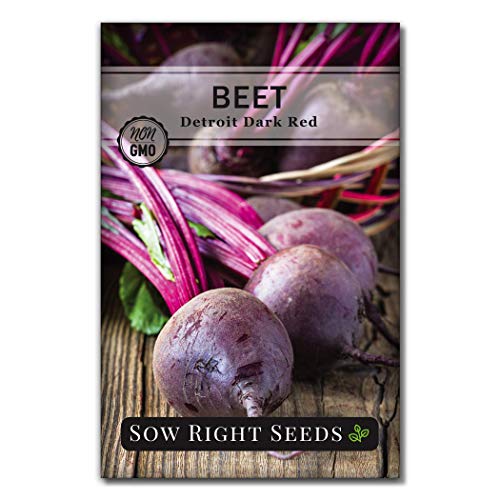
Beautiful - Large premium packet of Detroit Dark Red Beet (Beta var. ‘Detroit Dark Red’) seeds. Vivid, dark red 2-3" round beets have sweet flesh and tasty edible greens. This resilient variety can tolerate temperature variations, offering high productivity even in less-than-ideal soil conditions. Minimum of 1.5 g per packet (about 90 seeds).

HIGH GERMINATION RATE – PLANT WITH CONFIDENCE: Achieve impressive germination with our Detroit Dark Red Beet seeds, ensuring consistent growth and a rewarding gardening experience for both novice and experienced gardeners. Enjoy a bountiful and healthy harvest.
Benefits of Planting Beet Seeds at the Optimal Depth
By planting beet seeds at the ideal depth, you set the stage for a successful yield. Here’s why:
- Uniform Germination: Planting at the correct depth ensures consistency in each seed’s sprouting time, leading to even growth.
- Optimal Nutrient Absorption: When seeds are at the right depth, roots can access essential nutrients without strain, promoting strong, healthy plants.
- Improved Water Retention: Planting too deep or shallow can impact water absorption. Correct depth helps roots receive adequate moisture for hydration.
- Pest Protection: Seed placement affects vulnerability to pests. Proper depth can deter pests and help avoid damage to emerging seedlings.
- Enhanced Sunlight Exposure: Roots at the optimal depth promote sturdy growth, allowing plants to utilize sunlight for photosynthesis.
- Maximized Crop Yield: Planting at the recommended depth sets the foundation for a bountiful harvest at the end of the season.
Remember, each step you take to ensure your beet seeds are planted at the right depth brings you closer to a thriving beet patch.
Conclusion
Planting your beet seeds at the correct depth is essential for optimal growth and a successful harvest. By ensuring that your seeds are planted at the right depth, you can promote uniform germination, efficient nutrient absorption, and improved water retention. This practice also helps protect your crop from pests, enhances sunlight exposure, and ultimately maximizes your beet yield. Remember, each step you take to plant your beet seeds at the optimal depth plays a crucial role in the overall success of your beet patch. So, next time you’re planting beet seeds, keep in mind the importance of getting the depth just right for a thriving beet garden.
Frequently Asked Questions
How deep should I plant beet seeds for optimal growth?
Plant beet seeds around 1/2 inch deep in loose, well-drained soil for optimal growth and development.
Why is planting beet seeds at the right depth crucial?
Planting beet seeds at the correct depth ensures uniform germination, proper nutrient absorption, enhanced water retention, pest resistance, improved sunlight exposure, and increased crop yield.
What are the benefits of planting beet seeds at the optimal depth?
Planting beet seeds at the optimal depth promotes even germination, efficient nutrient uptake, better water retention, protection from pests, increased sunlight exposure, and higher crop yield.
