

Ever wondered why your carrot harvests don’t quite meet your expectations? Are your carrots coming out shorter than you’d like? Picture this: you diligently plant your carrot seeds, nurture them, but still end up with stunted carrots. Frustrating, right? The depth of your garden bed could be the missing puzzle piece.
Importance of Garden Bed Depth for Carrots
When it comes to growing healthy carrots, the depth of your garden bed plays a significant role. Carrots are root vegetables that require enough space to grow and develop properly. Here’s why the depth of the garden bed matters for your carrot harvest:
- Room for Growth: A deep soil bed allows carrots to grow long and straight without restriction. Crowded or shallow soil may result in stunted and deformed carrots.
- Moisture Retention: A deeper garden bed can hold more moisture, crucial for carrots’ growth. Insufficient depth may lead to dry soil that hinders their development.
- Nutrient Absorption: Carrots need access to nutrients deep within the soil to thrive. A deeper bed ensures they can absorb essential minerals for healthy growth.
To achieve optimal results with your carrot harvest, consider the following depth guidelines for your garden bed:
- For shorter varieties of carrots, a depth of 6-8 inches should suffice.
- Longer carrot varieties may require a depth of 10-12 inches to allow for proper development.
By maintaining the right depth for your garden bed, you can support the growth of your carrots and enjoy a bountiful harvest.
Ideal Depth for Planting Carrot Seeds
When considering the ideal depth for planting carrot seeds, it’s crucial to understand the needs of these root vegetables.
Standard carrot varieties typically require a planting depth of 6-8 inches, allowing enough space for the carrots to develop without encountering obstacles.
For longer carrot varieties, such as Danvers or Imperator, a depth of 10-12 inches is recommended to accommodate their growth and prevent them from becoming stunted.
By ensuring you plant your carrot seeds at the correct depth based on the variety you choose, you set the foundation for successful growth and a bountiful harvest.
Recommended Products
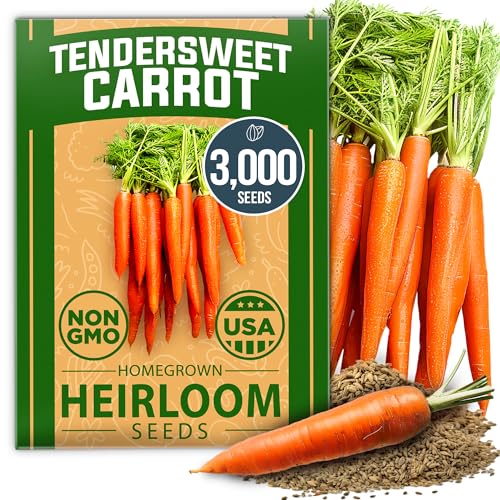
Premium Tendersweet Carrot Seeds: Authentic Open-Pollinated Premium Heirloom Seeds (USA) Non-GMO, Untreated, High Germination Rate. Phenomenal dessert Brix profile. High-impact carotene energy. An outstanding orange monolith for open ground, high ridges, and patio containers. Your garden bed is your pride.

Premium Seeds: Tendersweet heirloom carrot variety offering approximately 2600 seeds for extensive garden planting and multiple growing seasons

Sweet, Coreless Roots: Heirloom carrots with tender 9-10 inches orange taproots and high sugar content. Grow in 3-10 USDA zones. Great carrots seeds for planting in any home garden.
Factors Affecting Carrot Growth in Garden Beds
When considering how deep a garden bed should be for carrots, it’s essential to take into account various factors that can directly impact the growth and development of your carrot crop.
Soil Quality
- Ensure the soil is loose and free of rocks or hard clumps that could obstruct carrot growth.
- Optimal soil pH for carrots ranges between 6.0 and 6.8, providing the right conditions for nutrient uptake.
- Consider adding organic matter like compost to improve soil structure and fertility.
Sunlight Exposure
- Carrots thrive in full sunlight, typically requiring at least 6 hours of direct sunlight daily for optimal growth.
- Insufficient sunlight may result in slower growth and smaller, misshapen carrots.
Watering
- Consistent watering is crucial for carrot development, especially during the germination stage.
- Ensure even moisture levels to prevent the soil from drying out or becoming waterlogged, as both extremes can hinder growth.
Thinning
- Proper thinning of carrot seedlings is essential to allow adequate space for carrots to develop fully.
- Thin seedlings to 2-3 inches apart once they have established themselves to avoid overcrowding.
Pest Control
- Be vigilant for carrot pests such as carrot rust flies and nematodes, which can damage crops.
- Consider using natural pest control methods or organic pesticides to protect your carrot plants.
- Plant carrots at the recommended depth based on their variety to promote healthy root development.
- Standard carrot varieties typically need 6-8 inches of depth, while longer varieties like Danvers or Imperator require 10-12 inches.
By considering these factors and implementing best practices, you can create an optimal environment for your carrot crop to thrive in your garden bed.
Tips for Achieving Optimal Carrot Length
Carrots come in various shapes and sizes, with different varieties requiring specific depths for optimal growth. To ensure your carrots reach their full potential in length, here are some tips to consider:
- Choose the Right Variety: Select carrot varieties based on the desired length. Longer varieties like Danvers or Imperator typically need 10-12 inches of soil depth to develop fully.
- Loosen the Soil: Before planting, ensure the soil is loose and free of obstructions that can hinder carrot growth. Loose soil allows the carrots to penetrate and grow evenly.
- Plant at the Appropriate Depth: Carrot seeds are typically sown at a depth of 1/4 to 1/2 inch. Covering them with too much soil can delay germination, affecting the length of the mature carrot.
- Provide Adequate Water: Consistent watering is crucial for carrot growth. Ensure the soil remains evenly moist but not waterlogged to support healthy root development.
- Consider Thinning: Overcrowded carrots can lead to stunted growth. Thinning seedlings to the recommended spacing allows each carrot to access nutrients and space to grow to its full length potential.
- Monitor for Pests: Pests like carrot rust flies can damage the roots, affecting the length and quality of the carrots. Implement pest control measures to protect your crop.
For carrots to achieve their optimal length, attention to planting depth, soil quality, watering, thinning, and pest management are essential steps to follow. By incorporating these tips into your gardening routine, you can foster the growth of long and vibrant carrots in your garden bed.
Recommended Products

Kindly NOTE: This soil tester can not be applied to test pH value of any other liquid. If the soil is too dry the indicator will not move, and water it before testing.
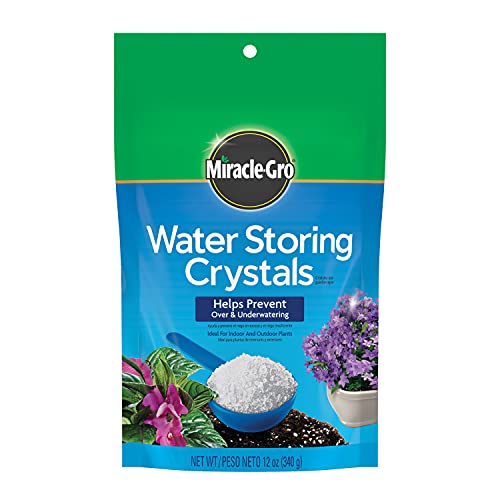
Prevents Over and Under Watering: Miracle-Gro Water Storing Crystals absorb moisture and release it back to your plants as needed, helping to prevent over and underwatering
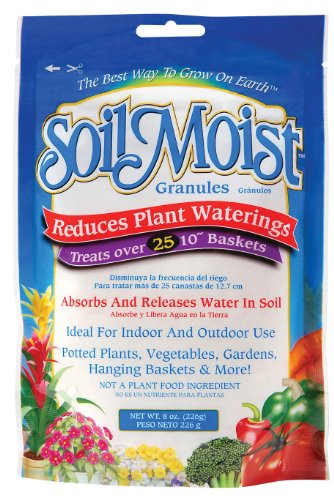
Grow beautiful plants with less water
Best Practices for Maintaining Garden Bed Depth
When it comes to carrots, the depth of your garden bed plays a crucial role in growing healthy and vibrant roots. To ensure optimal growth, here are some best practices for maintaining the right garden bed depth:
- Ideal Depth: Aim for 12-18 inches of loose, well-draining soil in your garden bed to allow carrots to develop fully without constraints.
- Loosening Soil: Before planting, loosen the soil to a depth of at least 12 inches to promote root penetration and prevent deformities.
- Avoid Compactness: Compacted soil can hinder root growth, so regularly aerate the soil to keep it loose and friable.
- Deep Digging: When preparing your garden bed, double digging to a depth of 24 inches can create an ideal environment for the roots to flourish.
- Avoid Rocks and Debris: Ensure your garden bed is free from rocks and debris that could obstruct the downward growth of your precious carrots.
- Consider Raised Beds: If your soil is heavy or compacted, consider using raised beds to provide the necessary depth and optimal growing conditions for your carrots.
By following these best practices in maintaining garden bed depth, you’ll create an ideal environment for your carrots to thrive and produce a bountiful harvest.
Recommended Products

Ready-to-Use Formula: No mixing or extra steps required. Simply pour and plant - perfect for gardeners of all experience levels.

FOR USE: Ideal for raised garden beds and outdoor containers.

● HARVEST: Miracle-Gro Organic Raised Bed & Garden Soil is guaranteed to grow more vegetables for a bigger harvest versus unfed plants (satisfaction guaranteed or your
Conclusion
Ensuring the right depth for your garden bed is crucial for successful carrot growth. By providing 12-18 inches of loose, well-draining soil, loosening the soil, and avoiding compaction, you set the stage for healthy carrot development. Deep digging to 24 inches, removing rocks, and considering raised beds for heavy soil further enhance the growing conditions. Following these practices will help you create an optimal environment for your carrots to flourish and yield a plentiful harvest. Happy gardening!
Frequently Asked Questions
What is the recommended garden bed depth for optimal carrot growth?
The ideal garden bed depth for carrots is 12-18 inches of loose, well-draining soil.
Why is it important to loosen the soil before planting carrots?
Loosening the soil allows for better root penetration, leading to improved carrot growth and development.
How can compactness of soil affect carrot growth?
Compact soil can restrict root growth, leading to stunted carrots and poor harvests.
How deep should you dig the soil for planting carrots?
Dig the soil to a depth of 24 inches to ensure ample space for carrot roots to grow downward.
Why should rocks and debris be removed from the soil before planting carrots?
Rocks and debris can obstruct root growth, causing deformities in carrots and reducing overall yield.
Are raised beds beneficial for growing carrots in heavy soil?
Yes, raised beds can help improve drainage in heavy soil, creating a more conducive environment for carrot growth.
