

Have you ever wondered how deep to plant your lettuce for the best results? It’s a common question for both novice and seasoned gardeners. Getting the depth right can make all the difference in how well your greens thrive.
Key Takeaways
- Proper planting depth for lettuce is crucial; aim for ¼ to ½ inch to ensure strong root development and healthy seedlings.
- The type of soil affects planting depth; loose, well-drained soil allows for deeper planting, while compact soils require shallower depths.
- Different lettuce varieties have specific planting depth needs, with leafy types generally thriving at shallower depths compared to head varieties.
- Timing your planting depth can enhance resilience; deeper planting can help in cool climates, while shallow planting adjusts better to warmer conditions.
- Maintain consistent soil moisture after planting to promote robust growth; avoid overwatering or allowing the soil to dry out completely.
- Preparing soil properly and using effective watering techniques set the foundation for successful lettuce cultivation.
Importance Of Planting Depth For Lettuce
Planting depth plays a crucial role in the growth and health of lettuce. The right depth ensures proper germination and strong root development, both of which lead to healthier plants.
Root Development
Planting lettuce seeds too deep can suffocate the seedlings. A depth of ¼ to ½ inch provides the ideal environment for roots to establish themselves. Shallow planting allows seedlings to reach sunlight quickly. Healthy roots support overall plant stability and nutrient uptake.
Moisture Retention
Adequate planting depth affects moisture retention. When planted at the right depth, soil moisture remains consistent, which is vital for lettuce’s quick growth cycle. Deeper planting can lead to moisture stress, especially in hot climates.
Pest and Disease Resistance
Properly planted lettuce is more resilient against pests and diseases. Shallow-rooted seedlings are vulnerable to pests like cutworms. By planting at the correct depth, you reduce the risk of these threats, promoting a healthier crop.
Overall Growth
Optimal planting depth directly impacts leaf size and quality. Lettuce benefits from good spacing and depth, leading to larger, more flavorful leaves. For example, spacing plants 12 to 18 inches apart allows them to thrive without competition for nutrients.
Timing Matters
Timing your planting with the depth also matters. In cooler climates, a slightly deeper plant may withstand cold better. In warmer regions, shallow planting helps seedlings adjust to heat more efficiently.
By understanding these factors, you enhance your chances of producing a bountiful lettuce harvest.
Factors Influencing Planting Depth
Planting depth for lettuce varies based on several key factors. Understanding these influences can enhance your gardening success.
Recommended Products

BUILT TO LAST A LIFETIME WITH FULL STAINLESS STEEL: Crafted from a single piece of high-quality, rust-resistant stainless steel. Unlike tools with weak wooden handles, the Gardmate hand dibber is built for a lifetime of use, bending and wear in all weather conditions.

Black Seeded Simpson is a classic heirloom loose leaf lettuce with large, tender green leaves and a mild, sweet flavor. Harvest fresh leaves for salads, sandwiches, wraps, and other homegrown meals.

🌱【Durable And Sturdy Material】 - FLORA GUARD Dibber is made of thickened high quality durable stainless steel pointy spike, which can easily pierce the ground and punch deep holes, and will not bend even when encountering hard obstacles. When planting tiny seedlings or flower bulbs in the ground, it is very important to do so at the proper depth. This bulb planting tool are great for quick and easy seeding or bulbing.
Soil Type
Soil type plays a significant role in determining the planting depth for lettuce. Loose, well-drained soils allow for deeper planting, promoting growth. In contrast, compact or clay soils require shallower planting. These soils retain moisture, so planting too deep can lead to rot. Consider testing your soil’s composition and structure before planting. You might opt for raised beds that improve drainage and encourage optimal planting depth.
Seed Variety
Seed variety affects how deep you should plant lettuce. Leafy varieties, like loose-leaf or butterhead, thrive when sown at a depth of ¼ to ½ inch. On the other hand, head varieties, such as romaine, may benefit from a depth of up to 1 inch. Always check the seed packet for specific recommendations. Choosing the right depth for your lettuce variety helps ensure better germination and robust development.
Recommended Planting Depth For Lettuce
Planting lettuce at the correct depth ensures optimal growth and health. The recommended depth varies based on planting method and lettuce type.
Recommended Products

【Milifox T‑Handle Design】The T‑shaped grip of seed planting tool features a contoured surface that stays secure even with damp hands. It lets you press downward using the weight of your arm and shoulder rather than straining your wrist, spreading pressure evenly across your palm to reduce fatigue during long planting sessions. Whether you're working in seed trays, raised beds, or container gardens, the handle gives you steady control with every hole.

YEAR-ROUND GARDEN FAVORITE – Dependable butterhead lettuce that thrives in cool or moderate weather for consistent harvests from spring through fall, even under cover in winter

4 Popular Heirloom Lettuce Varieties: Includes Red Romaine, Bibb Butterhead, Black Seeded Simpson, and Green Ice lettuce seeds to grow crisp, tender, and colorful salad greens with balanced flavor, texture, and visual appeal.
Direct Seeding
For direct seeding, plant lettuce seeds at a depth of ¼ to ½ inch. Gently cover the seeds with loose soil, ensuring they remain in contact with moisture. If planting in loose, well-drained soil, you can aim for the deeper end of this range. Avoid burying seeds too deep, as they may struggle to germinate.
Transplanting
When transplanting lettuce seedlings, the appropriate depth is vital. Position the seedlings in the soil so that the base of the leaves sits level with the soil surface. Planting too deep can lead to rot, while too shallow exposes the roots to air. Ensure the surrounding soil is firm but not compacted for better moisture retention and stability.
Tips For Successful Lettuce Planting
Planting lettuce correctly sets the stage for a healthy crop. Focus on preparation and watering techniques to ensure strong growth.
Recommended Products

EASIER SEED STARTING: Our Burpee SuperSeed tray with 36 flexible pop-out cells is designed to simplify indoor seed starting for all your favorite vegetables, flowers and herbs. Just add seed starting mix, seeds, water and light to get growing! Rows are labeled alphanumerically for seedling identification with included Plant-o-Gram diagram. Tray dimensions: 11.5" x 10-3/8" x 2-1/4"
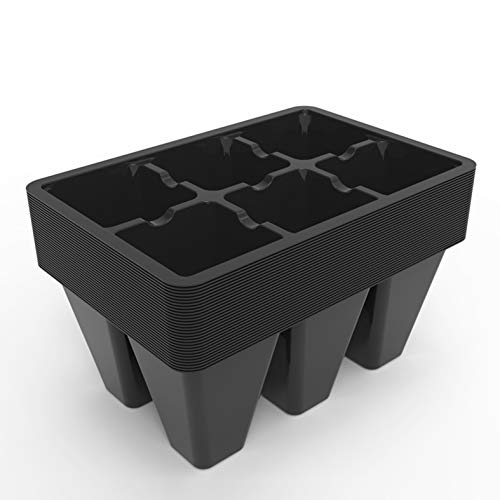
High Quality and Durable - Our Gardzen Seed Start Trays are made from premium plastic material, ensuring long-lasting use for all your seed starting needs. These trays are designed to withstand daily wear and tear, making them perfect for avid gardeners.

EASIER SEED STARTING: Our Burpee SuperSeed tray with 8 extra-large flexible pop-out cells is designed to simplify indoor seed starting. Just add seed starting mix, seeds, water and light to get growing! Perfectly sized for starting seeds in the windowsill: 11.5" x 5-3/16" x 2-1/4". Rows are labeled alphanumerically for seedling identification with included Plant-o-Gram diagram.
Soil Preparation
- Choose the Right Soil: Use loose, well-drained soil to encourage root growth. Ideal pH ranges from 6.0 to 7.0. Test your soil and amend with compost if needed.
- Tilling: Till the soil to break up compacted areas. This improves aeration and drainage.
- Fertilization: Incorporate a balanced fertilizer before planting. Use options with a nitrogen focus, like a 10-10-10 blend, to support leafy growth.
- Leveling: Rake the soil to create an even surface. This helps prevent water pooling and ensures even seed distribution.
- Initial Watering: Water the soil thoroughly before planting. Soil should be moist but not waterlogged.
- Consistent Moisture: Keep soil consistently moist during germination. Use a spray bottle or gentle watering can to avoid displacing seeds.
- Deep Watering: Once seedlings emerge, switch to deep watering sessions. This encourages roots to grow deeper. Water the soil to a depth of at least 6 inches.
- Timing: Water early in the morning or late in the afternoon to minimize evaporation. Aim for about 1 inch of water each week, adjusting based on rain.
- Mulching: Apply organic mulch around plants after they reach a few inches tall. This conserves moisture and regulates soil temperature.
Conclusion
Getting the planting depth right for your lettuce can make all the difference in your garden’s success. By paying attention to soil type and the specific variety you’re growing you’ll set yourself up for a thriving crop.
Remember to keep your soil well-prepared and consistently manage moisture to help your lettuce flourish. With a little care and attention you’ll be enjoying fresh, homegrown lettuce in no time. Happy gardening!
Frequently Asked Questions
What is the ideal planting depth for lettuce?
Lettuce should be planted at a depth of ¼ to ½ inch for leafy varieties and up to 1 inch for head varieties. This range helps promote optimal growth and healthy root development.
How does soil type affect lettuce planting depth?
Loose, well-drained soils allow for deeper planting, while compact soils should be planted shallower to prevent issues like rot. Understanding your soil type is crucial for successful lettuce growth.
Why is depth important in planting lettuce?
Planting depth affects growth, root development, moisture retention, and pest resistance, which are all vital for a healthy lettuce crop and a bountiful harvest.
What are some tips for successful lettuce planting?
Key tips include proper soil preparation, watering techniques, and maintenance practices like tilling, consistent moisture management, and mulching to ensure a healthy lettuce crop.
How often should I water lettuce after planting?
Lettuce needs consistent moisture, so it’s important to water regularly, especially after planting. Deep watering is ideal to encourage strong root growth while avoiding over-saturation.
Can I transplant lettuce to improve growth?
Yes, transplanting lettuce can enhance growth if done correctly. Make sure to plant at the recommended depth and maintain proper moisture levels for better results.
What factors affect the growth of lettuce?
Factors include soil type, planting depth, moisture levels, seed variety, and proper maintenance practices like fertilization and mulching, all of which contribute to healthy growth.
