

Best soil depth for planting beets
When planting beets, optimal soil depth is crucial for their growth. Here are some key points to consider:
- Beet seeds should typically be planted at a depth of about 1/2 inch to 1 inch.
- Planting beets too shallow can lead to drying out, while planting them too deep may hinder germination.
- Loose, well-draining soil is ideal for beets, helping them develop properly and preventing root rot.
- Ensure the soil is free of rocks and debris that can obstruct the growth of the beet roots.
- Consider adding compost to the soil to provide additional nutrients for the beets to thrive.
- Regularly water the soil, keeping it consistently moist but not waterlogged to support beet growth.
Remember, providing the right soil depth is a fundamental step in cultivating healthy and robust beets.
Recommended Products

BUILT TO LAST A LIFETIME WITH FULL STAINLESS STEEL: Crafted from a single piece of high-quality, rust-resistant stainless steel. Unlike tools with weak wooden handles, the Gardmate hand dibber is built for a lifetime of use, bending and wear in all weather conditions.
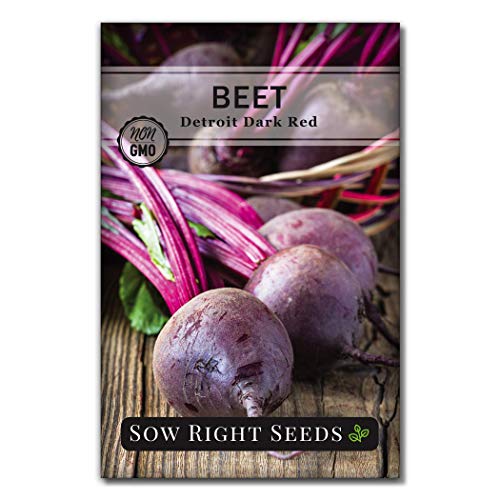
Beautiful - Large premium packet of Detroit Dark Red Beet (Beta var. ‘Detroit Dark Red’) seeds. Vivid, dark red 2-3" round beets have sweet flesh and tasty edible greens. This resilient variety can tolerate temperature variations, offering high productivity even in less-than-ideal soil conditions. Minimum of 1.5 g per packet (about 90 seeds).

55-60 Day Harvest: Red beet seeds mature fast with tender 2-3 inch roots and sweet classic flavor; sow in loose, well-drained soil at 55-70 °F for best vegetable seeds results.
Factors to consider when determining ideal planting depth
When deciding on the optimal depth to plant your beet seeds, there are several key factors to take into account:
- Soil Composition: Different soil types require varying planting depths. For sandy soil, you might plant shallower, while in heavy clay soil, you may need to go deeper.
- Seed Size: Larger beet seeds can be planted deeper than smaller ones. As a general guideline, aim for a depth of 1/2 inch to 1 inch for most beet seeds.
- Moisture Levels: Planting too shallow can lead to drying out in arid conditions, while planting too deep can delay germination by restricting access to moisture.
- Temperature: Planting depth can affect how quickly the seeds warm up. Shallow planting warms up quicker in spring but can be vulnerable to temperature fluctuations.
- Pest Pressure: Planting deeper can offer some protection against certain pests, but it could also make it harder for seedlings to emerge if they face challenges during germination.
- Cultural Practices: Traditional beet planting depths might vary based on the preferred spacing and thinning practices in your region.
Consider these factors to make an informed decision on the ideal planting depth for your beet seeds.
Steps to planting beets at the correct depth
When planting beets, you want to ensure you get the depth just right for optimal growth. Follow these steps to plant your beets at the correct depth:
Prepare the Soil
- Loosen the soil to a depth of 10-12 inches for proper root development.
- Remove rocks and debris that could obstruct growth.
Check Seed Size
- Larger beet seeds are typically planted deeper, around 1 inch.
- Smaller seeds may only need to be planted ½ inch deep.
Consider Soil Temperature
- Aim to plant beets when soil temperatures are around 50-85°F for best germination.
Watch Moisture Levels
- Ensure the soil is moist but not waterlogged when planting to aid seed germination.
Account for Pest Pressure
- Deeper planting can help protect seeds from birds, while shallow planting can speed up germination.
- Consult local gardening guides or experts for specific advice on beet planting in your area.
Recommended Products

Golden roots and edible greens: Grow Golden Detroit beets for yellow roots you can roast, pickle or slice into salads. The leafy tops can also be cooked as garden greens.

HIGH GERMINATION RATE – PLANT WITH CONFIDENCE: Achieve impressive germination with our Detroit Dark Red Beet seeds, ensuring consistent growth and a rewarding gardening experience for both novice and experienced gardeners. Enjoy a bountiful and healthy harvest.

Classic sweet beetroot + greens, Detroit Dark Red, a dependable heirloom table beet (Beta vulgaris); deep red, round roots with strong tops; great for roasting, salads, pickling, and storage
Common mistakes to avoid when planting beets
- Planting Too Deep
- Beet seeds need to be close to the surface for optimal germination.
- Not Thinning Out Seedlings
- Overcrowding can lead to stunted growth and smaller beets.
- Inconsistently Watering
- Keep soil consistently moist for healthy beet development.
- Planting in Compacted Soil
- Loosen soil to 10-12 inches depth to allow for proper root growth.
| Fact | Data |
|---|---|
| Ideal Soil Temperature | 50-85°F |
| Planting Depth for Larger Seeds | ~1 inch |
| Planting Depth for Smaller Seeds | ~½ inch |
Recommended Products

READY FOR THE PLANTING SEASON - Eadwiella Dibber were designed to make planting bulbs, seeds, and small herbaceous plants easy, by creating the perfect diameter hole to the correct depth. Before using the dibber in your garden make sure the soil is well tilled as it will make using your garden dibber easier. Simply press the dibber into the soil while twisting it back and forth until the dibber is at the desired depth. Now you’re ready to plant your bulb or seed!
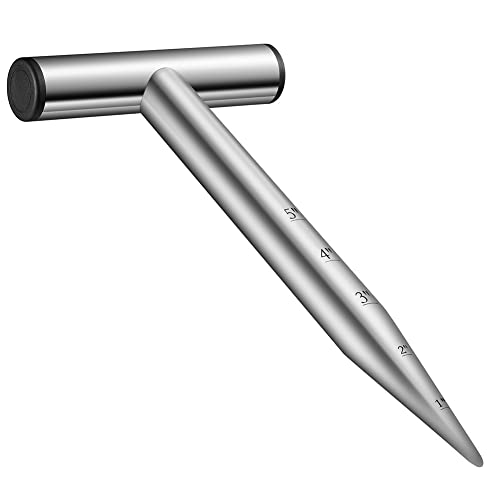
GARDEN DIBBER - This garden dibber tool is used for planting seeds, seedlings or bulbs. Our garden dibbers are made with stainless steel, suitable for planting roots and seeds in holes, perfect for dibber and planting bulbs, ideal tool for sowing and seedling, dig hole in soil for address signs, dig hole for solar garden lights, soil digger for self watering stakes, good accessory for your garden

🌱 Heirloom Bull’s Blood Beet Seeds – Grow a classic beet variety known for deep red roots, beautiful burgundy stems, and flavorful edible greens.
Importance of planting beets at the right depth
When planting beets, getting the depth right is crucial for successful germination and healthy growth. Here’s why it matters:
- Optimal Germination: Planting beets at the correct depth ensures that the seeds are close enough to the surface to receive the light they need to sprout.
- Healthy Roots: Planting too deep can hinder proper root development, leading to weak and stunted plants.
- Moisture Regulation: Planting at the right depth helps regulate soil moisture, supporting consistent growth and preventing issues like drying out or waterlogging.
- Efficient Nutrient Absorption: When beets are planted at the right depth, their roots can efficiently access nutrients in the soil, aiding in robust growth.
Remember, adjusting the planting depth according to seed size is key to giving your beets the best start. Let’s dive into the specifics.
Conclusion
Ensuring the proper planting depth for beets sets the stage for successful growth. By understanding the significance of this factor, you pave the way for optimal germination and robust root development. Adjusting the depth according to seed size is key to kickstarting your beets’ journey towards thriving. Remember, the depth at which you plant your beet seeds can make a significant difference in their overall health and productivity. So, take the time to plant them at the right depth, and you’ll be on your way to enjoying a bountiful beet harvest.
Frequently Asked Questions
Why is planting depth essential for beet germination and growth?
Planting depth is crucial because it determines seed access to moisture, nutrients, and warmth for successful germination and root development. Optimal depth ensures proper seed coverage without burying them too deep, leading to healthy growth.
What are the benefits of planting beets at the correct depth?
Planting beets at the right depth promotes optimal germination rates, healthy root establishment, efficient moisture regulation, and effective nutrient absorption. It sets the foundation for robust beet growth and development.
How can I adjust the planting depth based on beet seed size?
Adjust the planting depth by following seed packet instructions or general guidelines. Larger beet seeds typically require deeper planting, while smaller seeds need a shallower depth. Tailoring the depth to seed size ensures ideal conditions for germination.
