

Ever wondered how to elevate your carrot game? Imagine growing vibrant, nutrient-packed carrots in your own backyard without a fuss. What if I told you that the secrets lie in the world of microgreens techniques? Yes, you heard it right – those tiny powerhouses can work wonders for your carrots too!
Picture this: You’ve always dreamt of harvesting juicy, flavorful carrots, but faced challenges along the way. Fear not, as we’re here to guide you through the transformative journey of applying microgreens techniques to your carrot-growing adventure. Get ready to unlock a whole new level of carrot cultivation and taste the difference in every bite!
Understanding Microgreens
When it comes to microgreens, think of them as tiny, nutrient-packed greens that are harvested at an early stage of growth. They are like the mini-versions of full-grown plants, often bursting with nutrients.
- They are harvested between 7-21 days after planting, making them quick to grow.
- Packed with flavor and nutrients, microgreens can enhance the taste of your dishes.
- Common examples include arugula, broccoli, and radish.
Starting your journey with microgreens is a great way to dive into the world of fresh, home-grown produce.
Benefits of Microgreens Techniques for Carrot Growth
When applying microgreens techniques to growing carrots, you’ll discover numerous benefits that enhance the process and outcomes:
- Accelerated Growth: Using microgreens techniques can speed up the growth of carrot plants significantly.
- Nutrient Boost: Your carrots will benefit from increased nutrient content, leading to healthier and more flavorful produce.
- Space Efficiency: By utilizing microgreens techniques, you can optimize space and grow more carrots in a smaller area.
- Early Harvest: Enjoy quicker harvest times for your carrots, allowing you to experience the results sooner.
Incorporating microgreens techniques into your carrot cultivation not only simplifies the process but also elevates the quality of your home-grown carrots significantly.
Selecting the Right Carrot Varieties
When choosing carrot varieties for your microgreens techniques, opt for those specifically suited for this purpose. Look for varieties that are fast-growing and have a high yield to maximize your harvest. Consider Nantes or Chantenay types that are known for their sweet flavor and crisp texture – perfect for enjoying fresh from your garden.
To ensure success, select carrot seeds that are high quality and fresh. Check for the germination rate mentioned on the seed packet – a rate of above 80% is ideal.
When deciding on the color of your carrots, keep in mind that orange carrots are the most common, but you can also experiment with purple, red, yellow, or even white varieties. Each color offers unique nutritional benefits and adds visual appeal to your dishes.
For small spaces, consider baby carrot varieties that are compact and ideal for container gardening. These petite carrots are not only cute but also easy to grow and harvest, making them a great choice for beginners or those with limited gardening space.
Recommended Products

The Best Value - Organo Republic Royal Chantenay Carrot Seeds Pack contains 1g or 850 of Non-GMO heirloom carrot seeds. Royal Chantenay Carrot (Daucus carota subsp. Sativa) is known for its sweet, crunchy, orange flesh, this carrot variety is the perfect addition to fresh vegetable salad or culinary creations.
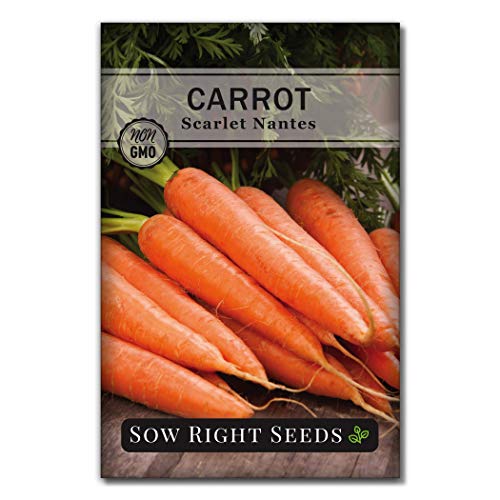
Beautiful - Full color packet of Scarlet Nantes Carrot (Daucus var. 'Scarlet Nantes') Seed. Bright red-orange, fine-grained brittle flesh that is nearly coreless with a fine very sweet flavor. Colors up early for little mini baby carrots. Minimum of 800 mg per packet (about 450 seeds).

Sweet Scarlet Nantes Roots - Grow orange, nearly coreless carrots with a tender bite and classic cylindrical shape. Harvest roots around 6-7 inches for fresh garden snacks, salads, roasting, soups and juicing.
Applying Microgreens Techniques to Carrot Cultivation
When it comes to growing carrots using microgreens techniques, you’ll find that the process shares some similarities with cultivating other types of microgreens. Here’s how you can apply these techniques specifically to carrot cultivation:
- Seed Selection: Opt for high-quality carrot seeds with a germination rate above 80% to ensure successful growth. Look for fast-growing varieties like Nantes or Chantenay for quicker results.
- Growing Medium: Choose a well-draining, fertile soil mix or a soilless medium for your carrot microgreens. This will help prevent waterlogging and promote healthy root development.
- Light Requirements: Provide your carrot microgreens with ample sunlight or grow lights to support their photosynthesis process. Aim for 6-8 hours of light per day for optimal growth.
- Watering: Mist your carrot microgreens regularly to keep the soil moist but not waterlogged. Avoid overwatering, as this can lead to root rot and other issues.
- Harvesting: Once your carrot microgreens reach a height of 1-2 inches, they are ready to be harvested. Use clean scissors to snip the greens just above the soil line for the freshest taste.
Remember, the key to successful carrot microgreens cultivation lies in consistency and attention to detail. By following these tips and techniques, you’ll be well on your way to growing healthy and vibrant carrot microgreens in no time.
Recommended Products

HEIRLOOM BABY CARROT VARIETY - Little Finger carrots are small but mighty, producing sweet, crisp roots just 3–4 inches long that are perfect for fresh snacking or gourmet meals
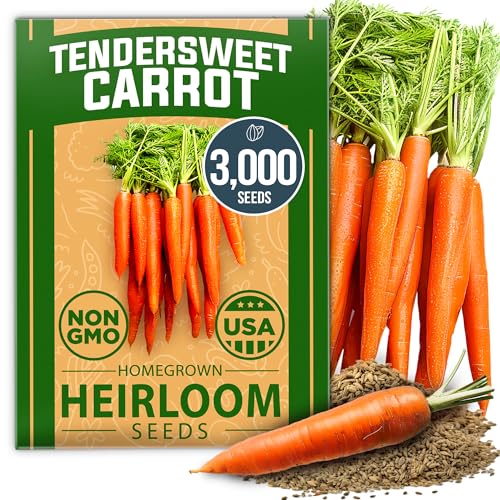
Premium Tendersweet Carrot Seeds: Authentic Open-Pollinated Premium Heirloom Seeds (USA) Non-GMO, Untreated, High Germination Rate. Phenomenal dessert Brix profile. High-impact carotene energy. An outstanding orange monolith for open ground, high ridges, and patio containers. Your garden bed is your pride.

Harvesting and Enjoying the Fruits of Your Labor
Growing and harvesting your own carrot microgreens can be a rewarding experience. Here are some tips to help you make the most of your efforts:
- Timing is crucial: Harvest your carrot microgreens when they are about 2-3 inches tall for the best flavor and texture.
- Use a clean pair of scissors to cut the microgreens just above the soil level.
- After harvesting, give your carrot microgreens a gentle rinse to remove any dirt or debris.
- Store the harvested microgreens in a container lined with paper towels in the refrigerator to keep them fresh for longer.
| Facts | Data |
|---|---|
| Optimal height | 2-3 inches |
| Harvesting tool | Scissors |
Conclusion
You’ve now learned valuable techniques for growing and harvesting carrot microgreens. Remember to time the harvest when they’re 2-3 inches tall for optimal flavor. Use clean scissors to cut them above the soil, rinse gently, and store in the fridge with paper towels. These simple steps will help you enjoy the fruits of your labor with fresh and delicious carrot microgreens. Happy growing!
Frequently Asked Questions
1. How do I know when to harvest my carrot microgreens?
Harvest your carrot microgreens when they reach 2-3 inches in height for optimal flavor and texture.
2. What should I use to cut the carrot microgreens during harvest?
Utilize clean scissors to snip the microgreens just above the soil level for a precise cut.
3. How should I care for my carrot microgreens post-harvest?
Gently rinse the harvested carrot microgreens and store them in the refrigerator in a container lined with paper towels to preserve freshness.
