

Imagine enjoying the sweet taste of freshly picked corn right from your own tiny garden. Have you ever wondered if it’s possible to grow corn in a small space? Picture this: You step outside, pluck an ear of corn, and savor its delicious flavor knowing you grew it yourself. In this article, we’ll show you how easy and rewarding it can be to cultivate corn in even the smallest of gardens.
With limited space, growing your own corn may seem like a challenge, but fear not! We’re here to guide you through the process and share valuable tips on maximizing your tiny garden’s potential for a bountiful corn harvest. From selecting the right varieties to optimizing planting techniques, we’ve got you covered. Get ready to elevate your gardening game and experience the joy of harvesting homegrown corn in your compact outdoor oasis.
Key Takeaways
- Space efficiency is crucial when growing corn in a small garden; planting in blocks maximizes space utilization and prevents pollination issues.
- Growing corn in your tiny garden provides nutritional benefits with fresh, nutrient-dense produce free from harmful pesticides.
- Select well-draining soil rich in organic matter for corn cultivation, ensuring proper root development and essential nutrient absorption.
- Optimal sunlight (6-8 hours daily) and watering (1-1.5 inches per week) are key factors for successful corn growth in a small garden.
- Choose dwarf and early maturing corn varieties for small gardens to maximize space usage and ensure a bountiful harvest.
- When harvesting corn, look for signs like dry silks, milky kernels, and plump color; store freshly picked corn in the refrigerator or freeze after blanching for longer preservation.
Benefits of Growing Corn in a Tiny Garden
Space Efficiency
When growing corn in a small garden, space efficiency is key. Corn plants can be strategically planted close together, maximizing the use of your limited garden area. By utilizing techniques like planting in blocks instead of rows, you can ensure that each plant receives adequate pollination while optimizing space. This method not only saves room but also helps prevent the risk of wind pollination issues common with single-row planting.
Nutritional Advantages
In addition to its space-saving benefits, growing corn in your tiny garden provides nutritional advantages. Freshly harvested corn is rich in essential nutrients like fiber, vitamins, and antioxidants that are beneficial for your overall health. By cultivating your own corn, you have access to a nutrient-dense vegetable right at your doorstep. Incorporating homegrown corn into your diet adds freshness and quality to your meals while ensuring you consume wholesome produce free from harmful pesticides commonly found in store-bought options.
By considering these factors when growing corn in a small garden, you can make the most of your space while reaping the nutritional rewards of homegrown produce.
Preparing Your Tiny Garden for Corn
Recommended Products

Feed the soil not the plants - stimulate microbial activity in your soil and boost probability of success with all types of plants… like composting but faster

100% Natural Compost for Plants - Compost is a nutrient-rich, soil-like substance made from blending yard trimmings and plant residue, such as leaves and grass clippings. Together, they’re composted to make a growing medium that’s part fertilizer, part soil amendment. When mixed with garden soil, compost helps loosen soil, holds onto moisture, and provides essential nutrients for plants.
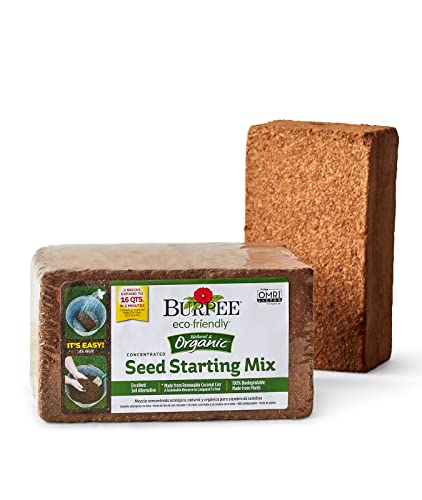
ORGANIC COCONUT COIR: Made from recycled coconut husks, coir is a light, sustainable growing medium that holds the perfect amount of moisture for starting seeds. 100% biodegradable soil alternative. Environmentally-friendly and a renewable alternative to peat moss. OMRI listed and certified organic.
Choosing the Right Soil
To prepare your tiny garden for growing corn, you must ensure that you select the right soil. Opt for well-draining soil rich in organic matter like compost. This type of soil provides essential nutrients for the corn plants to thrive and ensures proper root development. A pH level between 6.0 and 6.8 is ideal for corn cultivation as it promotes nutrient absorption.
Optimal Sunlight and Watering Needs
Corn thrives in full sunlight, so choose a spot in your garden that receives at least 6-8 hours of direct sunlight daily. Adequate sunlight helps the plants photosynthesize efficiently, leading to robust growth and higher yields. When it comes to watering, ensure your corn plants receive about 1-1.5 inches of water per week, either through rainfall or manual watering, especially during dry spells.
Best Corn Varieties for Small Gardens
When choosing corn varieties for your small garden, opt for dwarf and early maturing types to maximize space and ensure a successful harvest. Here’s a guide to the best corn varieties suited for small gardens:
Dwarf Corn Varieties
Dwarf corn varieties are ideal for tiny gardens due to their compact size, making them perfect for limited spaces. These types of corn typically reach heights of around 4-5 feet, allowing you to grow them without worrying about overshadowing other plants in your garden.
Some popular dwarf corn varieties include:
- Baby Corn: Known for its petite ears and tender kernels, baby corn is harvested at a young age, making it a great addition to stir-fries and salads.
- Golden Bantam: A classic heirloom variety with deliciously sweet kernels, Golden Bantam is an excellent choice for small gardens due to its manageable size.
- Honey ‘N Pearl: This hybrid variety offers both sweetness and ornamental appeal with its bi-colored kernels, adding visual interest to your garden.
By planting dwarf corn varieties in your small garden, you can enjoy fresh, homegrown corn without sacrificing valuable space.
Early Maturing Corn
For small gardens with limited growing seasons or cooler climates, early maturing corn varieties are the perfect choice. These types of corn mature quickly, allowing you to harvest delicious ears of corn sooner than traditional varieties.
Consider the following early maturing corn options:
- Peaches and Cream: This popular bicolor variety boasts both flavor and tenderness, making it a favorite among home gardeners looking for quick results.
- Kandy Korn: Known for its exceptional taste and rapid growth rate, Kandy Korn is an excellent option for small gardens where space is precious.
- Sugar Buns: With its delectably sweet kernels and short maturity period, Sugar Buns is a top pick for those seeking early harvests in compact spaces.
Planting early maturing corn in your tiny garden ensures that you can enjoy fresh ears of sweetcorn before the end of the growing season.
Choose dwarf and early maturing corn varieties carefully based on your gardening preferences and local climate conditions to make the most of your small garden space while reaping bountiful harvests.
Planting and Care Tips
Recommended Products

EASIER SEED STARTING: Our Burpee SuperSeed tray with 36 flexible pop-out cells is designed to simplify indoor seed starting for all your favorite vegetables, flowers and herbs. Just add seed starting mix, seeds, water and light to get growing! Rows are labeled alphanumerically for seedling identification with included Plant-o-Gram diagram. Tray dimensions: 11.5" x 10-3/8" x 2-1/4"

Indoor Garden Seed Starter Trays – Kimdozee seedling trays feature 120 cells (1.97" x 1.97" x 1.97"), perfectly sized for starting herbs, vegetables, flowers, succulents, and microgreens.

Adjustable Vents: The seed trays have adjustable vents that allow you to regulate the temperature and humidity of your seedling environment for total control over the growing process.
Planting Techniques
When it comes to planting corn in a tiny garden, spacing is crucial. You should sow seeds in rows about 12-18 inches apart to ensure adequate room for growth. Plant the seeds approximately 1 inch deep in well-draining soil with a pH level between 6.0 and 6.8 for optimal development. Ensure your corn plants receive full sunlight for at least 6-8 hours a day to thrive.
Daily Care and Pest Management
To care for your corn crop, water the plants regularly, ensuring the soil remains consistently moist but not waterlogged. Fertilize the corn with a balanced fertilizer every 3-4 weeks to support healthy growth. Keep an eye out for common pests like corn earworms and aphids; you can handpick these pests or use organic insecticidal soap to manage infestations effectively.
Harvesting and Utilization of Corn
Knowing When to Harvest
When it comes to harvesting corn in your tiny garden, timing is crucial. You’ll want to look for signs that the corn is ready to be picked. Here’s how you can tell when your corn is ripe:
- Silks: Check the silks (the tassels on top of the ears). They should be dry and brown.
- Kernels: Squeeze a kernel; if it releases a milky substance, it’s time to harvest.
- Color: The kernels should be plump and in their full color.
Once you’ve determined that your corn is ready, pick it by hand with a gentle twist, ensuring not to damage the plant. Enjoy fresh corn on the cob or consider freezing or canning for later use.
Storage and Cooking Tips
After harvesting your fresh corn, you might wonder about storage and cooking methods. Here are some tips for making the most of your homegrown crop:
- Storage: Store freshly picked corn in its husk in the refrigerator for up to 2 days. For longer storage, blanch the ears before freezing.
- Cooking Methods: You can enjoy corn on the cob boiled, grilled, roasted, or even microwaved. Experiment with different seasonings like butter, salt, pepper, or herbs for added flavor.
Conclusion
You’ve now learned how to successfully grow corn in your tiny garden. By following the planting and care tips provided, you can ensure a bountiful harvest of delicious corn. Remember to pay attention to signs of ripeness for optimal harvesting and enjoy fresh corn using various cooking methods. With strategic planning and proper maintenance, you can make the most of your limited garden space by cultivating this versatile crop. So get out there and start growing your own corn today!
Frequently Asked Questions
Can I grow corn in a small garden?
Yes, you can grow corn in a tiny garden by utilizing space efficiently and following strategic planting techniques.
What are the essential factors for growing corn?
Essential factors for growing corn include soil quality, pH levels, sunlight exposure, and regular watering.
How should I care for my corn plants?
Care for your corn plants by spacing seeds properly, maintaining soil quality, ensuring adequate sunlight exposure, regular watering, fertilizing as needed, and managing pests.
When is the right time to harvest corn?
Harvest corn when the silks are dry and brown, kernels are milky and plump with vibrant colors indicating ripeness.
How do I store fresh harvested corn?
Store fresh harvested corn in the refrigerator or freeze it after blanching to preserve its freshness.
What are some cooking methods for fresh corn?
Cook fresh corn by boiling, grilling, roasting, or microwaving with various seasonings to enhance flavor.
