

Ever wondered how to grow juicy carrots even in scorching hot weather? Picture this: you’re dreaming of fresh garden carrots, but the sweltering heat seems determined to thwart your plans. Fret not! In this article, we’ve got you covered with practical tips on germinating and nurturing carrots in the blazing sun.
Are you ready to unlock the secrets of cultivating vibrant carrots despite the summer heat? Discover simple yet effective strategies that will empower you to cultivate a thriving carrot patch no matter how high the mercury climbs. Let’s dive into the world of growing resilient carrots under challenging hot weather conditions together.
Key Takeaways
- Provide ideal conditions for carrot seeds by ensuring loose, well-draining soil with a pH level between 6.0 and 6.8.
- Overcome challenges of hot weather by using mulch to retain moisture and watering more frequently but with less volume.
- Choose heat-tolerant carrot varieties like “Sugarsnax 54” or “Napoli” for successful growth in high temperatures.
- Prepare soil by mixing compost, consider raised beds for drainage, and monitor moisture levels carefully.
- Optimal timing and depth are crucial when sowing carrot seeds in hot climates to ensure successful germination.
- Implement irrigation strategies such as deep watering, mulching, drip irrigation, and proper watering schedules to maintain carrots during heat waves.
Understanding Carrot Germination
Ideal Conditions for Carrot Seeds
To ensure successful carrot germination in hot weather, you need to provide the ideal conditions for your carrot seeds. Carrots thrive in loose, well-draining soil with a pH level between 6.0 and 6.8. Make sure the soil is free of rocks and debris that can hinder seed growth. Sow the seeds about a quarter to half an inch deep and keep the soil consistently moist but not waterlogged. Optimal temperatures for carrot germination range from 60°F to 70°F (15°C to 21°C).
Challenges of Hot Weather
Germinating carrots in hot weather presents unique challenges due to the high temperatures that can dry out the soil quickly. To combat this, consider using mulch to retain moisture levels around your seeds. Additionally, watering more frequently but with less volume can help keep the soil consistently moist without drowning the seeds or causing them to rot. Be mindful of providing shade during the hottest parts of the day to prevent excessive heat stress on the emerging seedlings.
By understanding these key factors related to carrot germination in hot weather, you’ll be better equipped to foster a successful growing environment for your carrot seeds even when facing challenging climatic conditions.
Preparing to Plant Carrots in High Temperatures
Choosing the Right Carrot Variety
When planting carrots in hot weather, opt for heat-tolerant varieties such as “Sugarsnax 54” or “Napoli.” These types are more resilient to high temperatures and have a better chance of thriving in challenging conditions. By selecting the appropriate carrot variety, you set yourself up for success right from the start.
Soil Preparation and Moisture Control
To ensure successful growth in hot weather, prepare your soil adequately. Mix compost into the soil to improve its water retention capacity and provide essential nutrients for carrot development. Additionally, consider using raised beds to enhance drainage and prevent waterlogging during intense heat periods. Remember to monitor moisture levels carefully; carrots need consistent but not excessive watering in high temperatures to prevent drying out.
Planting Techniques for Hot Climates
Timing and Depth for Sowing Seeds
When planting carrots in hot climates, it’s crucial to consider the timing and depth of sowing your seeds. Optimal timing is essential for successful germination. You should sow carrot seeds early in the morning or late in the afternoon to avoid exposing them to the intense midday sun, which can dry out the soil quickly. Plant your seeds at a depth of around ¼ to ½ inch deep. This depth ensures that the seeds have enough moisture to germinate without being too deep that they struggle to reach the surface.
Using Mulch to Protect Seedlings
Mulching is a great technique for protecting carrot seedlings from the harsh effects of hot weather. Organic mulches like straw or grass clippings can help retain soil moisture, regulate soil temperature, and prevent weeds from competing with young carrot plants. Apply a layer of mulch around your seedlings, leaving some space around each plant’s base to prevent rotting. Mulching also aids in reducing water evaporation from the soil, ensuring that your carrots have consistent access to moisture even during high temperatures.
By following these planting techniques tailored for hot climates, you can optimize your chances of successfully growing delicious carrots even in challenging weather conditions.
Maintenance and Care During Heat Waves
Recommended Products
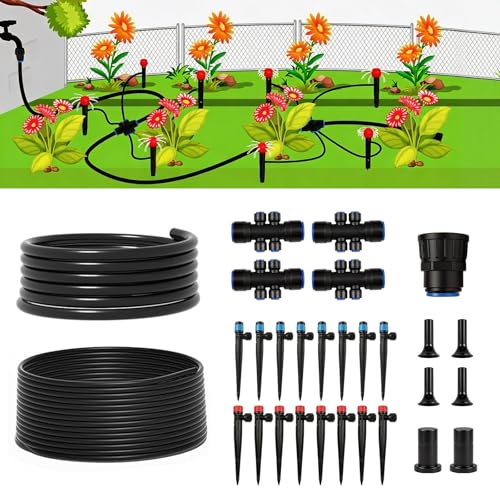
TRUE QUICK CONNECT – NO LEAKS, NO STRUGGLE: Unlike traditional kits that require twisting and force-fitting, our quick-connect design lets you simply push tubing into place. Secure, leak-resistant connections every time — no tools needed.

NO MORE HARD INSTALLATION - SET UP IN MINUTES. Tired of struggling with stiff barbed fittings? This drip irrigation system features quick-connect fittings that let you push, lock, and secure tubing effortlessly. No tools, no leaks, just a smooth setup experience. Enjoy a frustration-free installation and get your garden watering system running in minutes.

✔Comprehensive Drip Irrigation Kit:MIXC drip irrigation system, equipped with a versatile range of components, caters to all your garden watering needs.Includes essential parts such as 197ft 1/4'' irrigation tube, 33ft 1/2'' irrigation tube, 1/2‘’ Lock Barbed Tee connectors, drip emitter streams, vortex emitters, Blue Mist Nozzles, Quick connection tees, Faucet Connector, and more.
Irrigation Strategies
When it comes to maintaining your carrot crop during heat waves, ensuring adequate irrigation is crucial. Carrots require consistent moisture to thrive, especially in hot weather conditions. Here’s how you can optimize your irrigation strategies:
- Deep Watering: Instead of frequent shallow watering, focus on deep watering less often. This encourages carrot roots to grow deeper into the soil, making them more resilient to heat stress.
- Mulching: Mulch around your carrot plants helps retain soil moisture and regulate temperature, preventing rapid evaporation under scorching sun rays.
- Drip Irrigation: Consider installing a drip irrigation system for efficient water delivery directly to the roots while minimizing water loss through evaporation.
- Watering Schedule: Water your carrots early in the morning or late in the evening when temperatures are cooler to reduce water loss due to evaporation.
Shade Solutions and Cooling
Protecting your carrots from excessive heat and sunlight is essential for their growth during hot weather. Implement these shade solutions and cooling techniques:
- Shade Cloth: Install shade cloth over your carrot bed to filter sunlight and reduce direct exposure, helping maintain optimal soil temperature.
- Plant Companion Plants: Grow taller plants near your carrots that provide natural shade without competing for resources or interfering with their growth.
- Row Covers: Use row covers made of light material to shield young seedlings from intense sunlight while allowing airflow for proper ventilation.
- Temporary Structures: Create temporary structures like umbrellas or plant shelters that can be moved easily throughout the day to provide shade as needed.
By implementing these maintenance practices during heat waves, you can ensure that your carrot crop remains healthy and continues to grow vigorously even in challenging climatic conditions.
Conclusion
Growing carrots in hot weather requires careful attention to soil, moisture, and temperature conditions. By following the suggested strategies of mulching, proper watering, and selecting heat-tolerant varieties, you can successfully germinate and grow juicy carrots even in challenging climates. Remember to consider timing and depth when planting seeds, opt for early or late-day planting, and protect seedlings with mulch. During heat waves, focus on deep watering techniques, utilizing drip irrigation systems, and maintaining an optimal watering schedule to ensure your carrots thrive. Implement shade solutions like shade cloth or row covers to shield your crops from excessive heat and sunlight. With these tips in mind, you’ll be well-equipped to nurture vibrant carrot growth throughout the hottest months of the year.
Frequently Asked Questions
What are the key factors to consider for growing carrots in hot weather?
To grow carrots in hot weather, focus on ideal soil conditions (loose, well-draining), consistent moisture levels (avoiding overwatering), and temperatures around 60-70°F for germination.
What strategies can help protect carrot seedlings from heat stress?
Use mulch to regulate soil temperature and retain moisture. Water properly by providing deep watering sessions rather than frequent shallow ones. Select heat-tolerant carrot varieties suitable for high-temperature environments.
When is the best time to sow carrot seeds in hot climates?
Sow carrot seeds early or late in the day when temperatures are cooler. Consider planting during milder seasons or using shade solutions like shade cloth, row covers, or temporary structures to shield seedlings from intense sunlight.
How can I maintain healthy carrot growth during heat waves?
Implement deep watering techniques to ensure roots receive sufficient moisture. Use drip irrigation systems for efficient water delivery and establish optimal watering schedules based on plant needs and environmental conditions.
