

Have you ever wondered if wild lettuce can thrive in the chilly climate of Alaska? If you’re curious about foraging or just want to add some unique greens to your meals, understanding the local flora is key.
Key Takeaways
- Wild Lettuce Characteristics: Wild lettuce (Lactuca virosa) features tall stems, lobed leaves, and small yellow flowers, making it identifiable in the wild.
- Growth Conditions in Alaska: Successful cultivation of wild lettuce in Alaska requires well-drained, organic-rich soil, ample sunlight, and consistent moisture.
- Microclimates: Target southern coastal areas and river valleys in Alaska for more favorable growing conditions, as these regions offer milder climates.
- Foraging Tips: When foraging wild lettuce, focus on young leaves in spring, and ensure proper identification to avoid lookalike plants.
- Adaptation Strategies: Wild lettuce can tolerate frost and has a deep root system, allowing it to access moisture even in challenging Alaskan weather.
- Gardening Techniques: Prepare soil adequately, plant seeds indoors before the last frost, and consider using mulch and crop rotation to enhance growth and prevent pest issues.
Overview of Wild Lettuce
Wild lettuce, known scientifically as Lactuca virosa, thrives in various environments, but its growth in Alaska presents unique challenges due to the state’s cold climate. This perennial plant typically grows in temperate regions, primarily across North America and Europe. While it can tolerate some frost, harsh winters and extended periods of freezing temperatures can inhibit its development.
Recommended Products
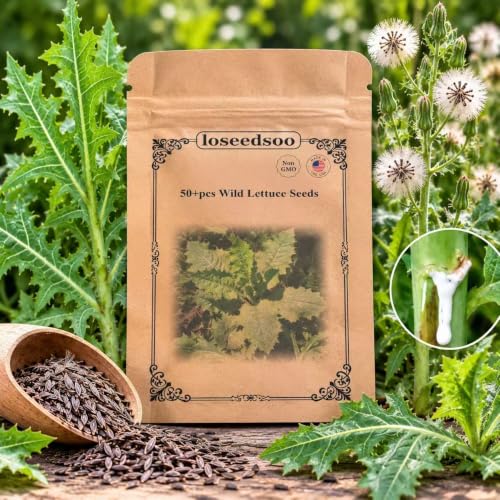
USDA Zones 5 - 9 Grows Basal Rosette in First Year - Full Plant from Rosette in Second Year
Premium quality heirloom herb seeds package containing 50 Wild Lettuce (Lactuca virosa) seeds, perfect for both beginner and experienced gardeners looking to grow this historic herbal remedy plant.

USDA Zones 5 - 9 Grows Basal Rosette in First Year - Full Plant from Rosette in Second Year
Characteristics of Wild Lettuce
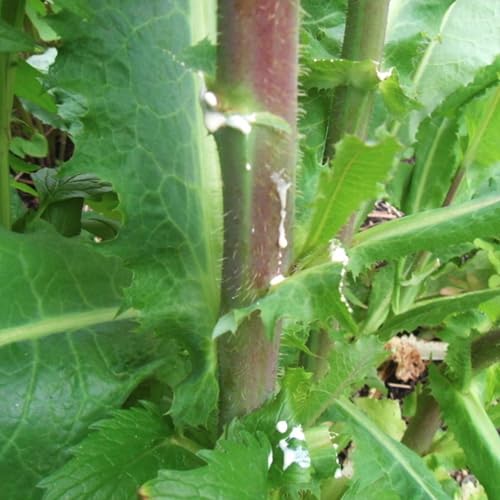
- Appearance: Wild lettuce features tall stems, often reaching up to 4 feet in height. Its leaves are lobed and can appear similar to dandelion leaves. The plant produces small, yellow flowers in clusters.
- Habitat: You’ll often find wild lettuce in disturbed areas, such as roadsides or fields. It prefers well-drained soil and can grow in sunny or partially shaded locations.
- Edibility: Young leaves of wild lettuce can be consumed raw or cooked. The plant contains lactucarium, a milky substance recognized for its mild sedative properties.
Growing Conditions in Alaska
In Alaska, you may encounter wild lettuce in areas with milder microclimates, especially in the southern coastal regions. Elevated temperatures during the summer months facilitate its growth. For successful cultivation, consider the following:
- Soil Preparation: Use well-drained soil enriched with organic matter. This setup supports moisture retention and nutrient availability.
- Sunlight: Search for a location that receives ample sunlight. Even a few hours of direct sunlight each day enhances growth.
- Watering: Regularly water your plants, ensuring the soil remains moist but not waterlogged. Adjust watering frequency according to rainfall.
Foraging Wild Lettuce in Alaska
Foraging for wild lettuce can be rewarding. If you choose this path, keep these tips in mind:
- Identification: Learn to recognize wild lettuce by its characteristic leaves and flower structure. Mistaken identity can lead to consuming undesirable plants.
- Timing: Harvest young leaves in spring when the plant is tender. Avoid older leaves as they may become bitter.
- Respecting Nature: Practice sustainable foraging by only taking what you need. Leaving enough for the plant to continue thriving ensures future growth.
Exploring wild lettuce in Alaska opens the door to unique culinary experiences. Its adaptability to varying climates makes it an interesting addition to your foraging pursuits.
Growing Conditions in Alaska
Wild lettuce can grow in Alaska, but specific conditions are necessary for successful cultivation. Understanding the local environment helps you maximize your foraging efforts.
Recommended Products

Quick, at home results for Soil pH
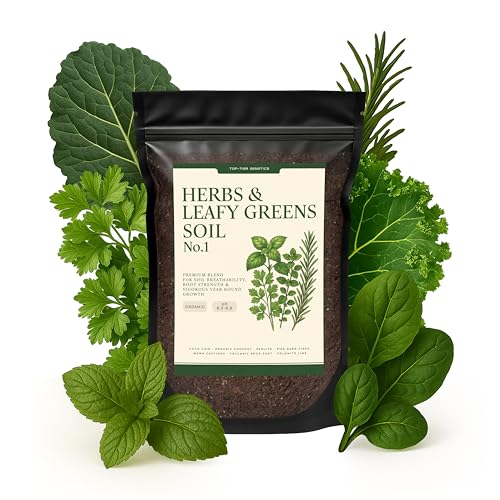
✔ VERSATILE BLEND: Premium potting mix specifically formulated for growing herbs and leafy greens indoors with optimal drainage and aeration

PROFESSIONAL-GRADE ACCURACY: Engineered specifically for soil pH testing, delivering results quickly (in about 60 seconds). With a 3rd Generation, 3-pad ph tester strips design, our soil ph test kit ensures consistent, repeatable results for all your lawn, landscape and garden needs.
Climate Factors
Alaska’s climate poses unique challenges. Summers are short, with limited growing time, while winters are long and harsh. Wild lettuce thrives in regions where temperatures range from 60°F to 70°F during the growing season. You encounter a mix of coastal, tundra, and mountainous climates, which can affect growth. Look for microclimates—areas that may have slightly warmer temperatures due to geographical features.
Soil Requirements
Soil plays a crucial role in growing wild lettuce in Alaska. It prefers well-drained, loamy soil rich in organic material. The pH level should be between 6.0 and 7.5 for optimal health. Adding compost can improve soil quality and drainage. Regularly check moisture levels, as too much water may lead to root rot. You can enhance soil fertility by rotating crops or planting cover crops during the off-season.
Native Habitats of Wild Lettuce
Wild lettuce, or Lactuca virosa, typically grows in various temperate habitats. Understanding these areas helps you locate this unique green in Alaska.
Regions in Alaska
Wild lettuce may grow in specific regions of Alaska where conditions align with its preferences. Look for it in:
- Southern Coastal Areas: Regions like Kodiak or Ketchikan offer milder climates and longer growing seasons.
- River Valleys: The Kenai River Valley provides a more favorable environment with well-drained soil and ample sunlight.
- Mild Microclimates: Areas shielded from harsh weather, such as sheltered hillsides, can support wild lettuce growth.
Adaptation Strategies
Wild lettuce employs several adaptation strategies that allow it to thrive despite Alaska’s challenging climate. These include:
- Tolerance to Frost: Wild lettuce can withstand light frost, allowing it to sprout early in the spring.
- Flexible Growth Habit: It adjusts its growing pattern based on available sunlight, which can extend its lifespan in partial shade.
- Deep Root System: This characteristic helps it access moisture during drier periods, crucial in Alaska’s unpredictable weather.
By understanding these native habitats and adaptation strategies, you enhance your chances of successfully finding and cultivating wild lettuce in Alaska.
Cultivation Possibilities
Cultivating wild lettuce in Alaska requires an understanding of specific gardening techniques and an awareness of potential challenges.
Recommended Products

Healthy Food Source: Because of its tender flavor, lettuce is a popular vegetable for salad, sandwiches, wraps, soups, stir-fries and juice. There are over 20,000 seeds, 10 kinds of lettuce collection, including bibb, boston, iceberg, buttercrunch, grand rapids TBR, oakleaf, ruby leaf, cimmaron romaine and waldmann's

USDA Certified Organic by Oregon Tilth
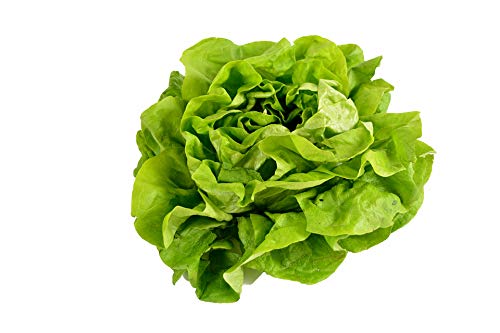
This lettuce is well known for its sweet flavor. Best if harvested in the morning.
Gardening Techniques
- Soil Preparation: Start with well-drained, loamy soil rich in organic matter. Aim for a pH level between 6.0 and 7.5. Adding compost improves soil quality and ensures better drainage.
- Seed Starting: Begin seeds indoors 4-6 weeks before the last frost. After the danger of frost has passed, transplant seedlings into outdoor gardens.
- Sunlight Exposure: Choose a location that receives at least 6 hours of sunlight daily. If your garden has areas with partial shade, wild lettuce can adapt but may grow more slowly.
- Watering: Water regularly, especially during dry spells. Keep the soil consistently moist, but avoid overwatering to prevent root rot.
- Mulching: Apply mulch to retain moisture and suppress weeds. Organic mulch, like straw or shredded leaves, works well.
- Crop Rotation: Implement crop rotation practices to improve soil fertility and reduce pest issues. Plant cover crops during the off-season to enrich the soil.
- Short Growing Season: Alaska’s short summers limit the time for wild lettuce to grow. Focus on early season planting to maximize growth.
- Frost Exposure: While wild lettuce tolerates some frost, extreme conditions may hinder its development. Consider using row covers or cloches to protect plants during unexpected cold snaps.
- Soil Conditions: Heavy or clay soil can pose issues for wild lettuce. You might need to amend the soil significantly to create a suitable environment.
- Drawing Pests: Wild lettuce may attract pests like aphids. Monitor your plants regularly and use effective pest control methods, such as insecticidal soap, when necessary.
- Competition from Weeds: Weeds can outcompete wild lettuce for nutrients and water. Regularly weed your garden to give wild lettuce the best chance for growth.
By applying these techniques and addressing challenges head-on, you can successfully cultivate wild lettuce in Alaska’s diverse environments.
Conclusion
Growing wild lettuce in Alaska can be a rewarding adventure for foraging enthusiasts and gardeners alike. With the right techniques and an understanding of your local conditions you can cultivate this unique green even in challenging climates.
By focusing on soil quality and utilizing the benefits of microclimates you can enhance your chances of success. Remember to keep an eye on moisture levels and practice sustainable foraging to ensure this plant thrives for years to come.
Whether you’re foraging or growing wild lettuce at home it’s a fantastic way to connect with Alaska’s diverse natural landscape. Enjoy the journey of discovering this resilient plant and the culinary delights it can bring to your table.
Frequently Asked Questions
What is wild lettuce and where does it grow?
Wild lettuce, or Lactuca virosa, is a biennial plant known for its tall stems, lobed leaves, and small yellow flowers. It typically thrives in temperate regions but can be grown in milder microclimates, making it relevant for regions like Alaska.
Can wild lettuce grow in Alaska’s climate?
Yes, wild lettuce can grow in Alaska, particularly in milder areas like Kodiak and Ketchikan. However, its growth is challenged by the state’s harsh winters and short growing seasons.
What are the ideal growing conditions for wild lettuce in Alaska?
Wild lettuce prefers well-drained, loamy soil rich in organic material, with a pH between 6.0 and 7.5. It thrives in temperatures of 60°F to 70°F and requires ample sunlight and regular watering.
How do I improve soil quality for growing wild lettuce?
To enhance soil quality, add compost to improve drainage and fertility. Maintaining proper moisture levels is essential to prevent root rot and support wild lettuce growth.
When is the best time to harvest wild lettuce?
The best time to harvest wild lettuce is during its growing season in late spring to early summer when the leaves are young and tender. Regular foraging practices ensure sustainability.
What are some tips for foraging wild lettuce in Alaska?
When foraging, look for its tall stem and lobed leaves. Be mindful of your surroundings, harvest sustainably, and identify the plant accurately to prevent confusion with look-alikes.
