

Have you ever enjoyed a fresh salad only to find yourself feeling a bit bloated afterward? You’re not alone. Many people wonder if certain veggies, like romaine lettuce, are to blame for that uncomfortable gassy feeling.
Key Takeaways
- Romaine Lettuce and Gas Production: Romaine lettuce can contribute to gas for some individuals due to its soluble fiber content, which ferments in the large intestine.
- Individual Digestive Differences: Each person’s gut health and digestive system vary; factors like microbiome composition and dietary habits influence how romaine affects gas production.
- Impact of Portion Sizes: Smaller servings of romaine may help reduce bloating and discomfort, allowing the digestive system to adjust gradually.
- Food Pairing Matters: Pairing romaine with easily digestible foods like lean proteins and avoiding gas-producing ingredients can minimize digestive issues.
- Chewing and Hydration: Thoroughly chewing food and maintaining adequate hydration support better digestion, potentially limiting gas production.
- Monitoring and Alternatives: Keeping a food diary can help identify triggers related to romaine lettuce, and exploring alternative leafy greens may provide similar benefits without discomfort.
Understanding Romaine Lettuce
Romaine lettuce contains various nutrients and fibers that contribute to a healthy diet. When you eat it, you’ll find vitamins A, C, and K, along with minerals like calcium and potassium. This leafy green adds crispness to salads and sandwiches, making it a popular choice.
Romaine lettuce contains soluble fiber, which helps regulate digestion. However, this same fiber can lead to gas production for some individuals. The human digestive system sometimes struggles to break down certain fibers effectively. When they reach the large intestine, bacteria ferment these fibers, producing gas as a byproduct.
Several factors affect how romaine lettuce impacts your digestion. Individual gut health varies greatly. Some people digest fiber with ease, while others may experience bloating and gas. Portions matter too; larger servings of romaine lettuce might increase the likelihood of discomfort.
If you’re prone to gas after consuming romaine lettuce, consider these practical tips:
- Start Small: Try smaller servings of romaine lettuce to gauge your body’s reaction.
- Pair Wisely: Combine it with other foods known to be gentle on the stomach, such as cooked vegetables or lean proteins.
- Stay Hydrated: Drink plenty of water to help your digestive system process fiber effectively.
- Chew Thoroughly: Chewing helps break down food, making it easier for your digestive system to handle fibrous greens.
Monitoring your body’s response to romaine lettuce can help you enjoy its benefits without discomfort.
Nutritional Profile of Romaine Lettuce
Romaine lettuce boasts a rich nutritional profile. Understanding its vitamins, minerals, and fiber content helps clarify its impact on digestion and gas production.
Vitamins and Minerals
Romaine lettuce is a powerhouse of vitamins and minerals. Key nutrients include:
- Vitamin A: Supports eye health and immune function.
- Vitamin C: Acts as an antioxidant and aids in wound healing.
- Vitamin K: Essential for blood clotting and bone health.
- Calcium: Crucial for strong bones and teeth.
- Potassium: Helps regulate blood pressure and fluid balance.
These nutrients contribute to overall health and may affect digestion differently for each person.
Fiber Content
Romaine lettuce contains both soluble and insoluble fiber. The fiber content is around 1 gram per cup. Soluble fiber may lead to gas production as it ferments in the large intestine, while insoluble fiber helps promote regular bowel movements.
Pay attention to portion sizes. Starting with smaller amounts of romaine can help you assess your body’s response.
The Science of Gas Production
Understanding gas production can clarify why you might feel gassy after consuming romaine lettuce. Various factors in the digestive process contribute to this phenomenon.
Recommended Products

Romaine lettuce is low in carbohydrates, sugar, and fiber

Excellent Source of Vitamins A and K

Disease Resistant Salad Romaine : Parris Island Cos gardening seeds produce tall upright romaine lettuce head growth with crunchy midribs and juicy texture. Mosaic tolerant leaf lettuce seeds for planting outdoors thrive in USDA zones 3–9 with strong field performance.
How the Digestive System Works
Digestion begins in your mouth, where food gets broken down. As you swallow, food travels down the esophagus to the stomach. Here, gastric juices further digest it. The small intestine absorbs nutrients, while the large intestine processes remaining waste. It’s in the large intestine where bacteria ferment undigested fibers, producing gas as a byproduct. For some, the fiber in romaine lettuce can ferment and lead to bloating or discomfort.
Common Gas-Producing Foods
Certain foods are notorious for causing gas. Common culprits include:
- Beans: High in oligosaccharides, which can produce gas during fermentation.
- Cruciferous Vegetables: Broccoli, cauliflower, and cabbage contain compounds that may lead to gas.
- Dairy Products: Lactose can cause gas in those who are lactose intolerant.
- Whole Grains: Fiber-rich grains can contribute to gas as they ferment in the gut.
- Fruits: Apples and pears contain sorbitol, which can lead to gas for some individuals.
Romaine lettuce, while nutritious, falls into the category of foods that can cause gas for certain people, particularly if consumed in large quantities. Paying attention to your body’s reactions helps you determine which foods are suitable for your digestion.
Does Romaine Lettuce Make You Gassy?
Romaine lettuce can contribute to gas for some individuals, but reactions vary. Understanding your unique digestive system helps gauge how romaine affects you.
Individual Differences in Digestion
Digestion varies from person to person. Your gut health, dietary habits, and microbiome directly impact how your body processes romaine lettuce. If you’ve had digestive issues in the past, you might experience more gas after eating fibrous foods. Note any discomfort, especially if you’re introducing romaine lettuce into your diet after a period without it. Keeping a food diary can help identify how different foods, including romaine, affect your digestion.
Potential Reasons for Gas
Several factors contribute to gas production when eating romaine lettuce:
- Soluble Fiber: Romaine contains soluble fiber that ferments in the large intestine, producing gas. If fiber intake increases suddenly, your body might struggle to adjust.
- FODMAPs: Romaine belongs to a category of foods known as FODMAPs, which some people find harder to digest. These compounds can cause bloating and gas for sensitive individuals.
- Portion Size: Large servings of romaine can overwhelm your digestive system. Smaller amounts can help minimize discomfort while enjoying the benefits.
- Pairing Foods: Combining romaine with gas-producing ingredients, like beans or certain dressings, can exacerbate issues. Choose pairing items wisely.
- Chewing Thoroughly: Not chewing enough can lead to larger food particles entering the digestive tract. This can increase gas production, as bacteria work harder to break down these particles.
Monitoring your body’s response to romaine lettuce helps you enjoy its nutritional qualities without discomfort.
Tips to Enjoy Romaine Lettuce Without Discomfort
Start Small
Begin with smaller portions of romaine lettuce. Gradually increase the amount as your body adjusts. This method helps minimize bloating and gives your digestive system time to adapt.
Pair Wisely
Combine romaine lettuce with easily digestible foods. Pair it with proteins like grilled chicken or fish, and avoid heavy dressings that may exacerbate gas. Light vinaigrettes or yogurt-based dressings offer lighter alternatives.
Stay Hydrated
Drink plenty of water throughout the day. Adequate hydration supports digestion and helps reduce bloating. Aim for at least 8 cups (64 ounces) of water daily, particularly when consuming fibrous foods.
Chew Thoroughly
Take your time while eating. Chewing your food thoroughly breaks it down, making it easier to digest. This practice can significantly reduce gas production during digestion.
Monitor Your Response
Keep a food diary to track how your body reacts to romaine lettuce. Write down what you eat and note any discomfort. This information can help you identify specific triggers and adjust your diet accordingly.
Consider Cooking
If raw romaine causes issues, consider lightly steaming it. Cooking can break down some fibers, making it easier on your digestive system while preserving most of the nutrients.
Explore Alternatives
Try other leafy greens if romaine consistently causes discomfort. Options like spinach or kale may offer similar nutritional benefits without the same gassy effects.
Recommended Products

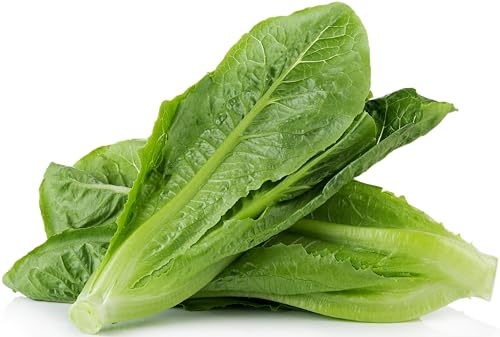

The Best Value - Organo Republic Lettuce Romaine Seeds Pack contains 3 g or 2,600 Non-GMO heirloom lettuce seeds. Romaine Lettuce (Lactuca sativa longifolia) is known for its deeply lobed leaves and tender texture, making it the perfect addition to fresh vegetable salads or culinary creations.
Conclusion
Romaine lettuce can be a nutritious addition to your diet but may cause gas for some people. By understanding your body and its reactions you can better enjoy your salads without discomfort.
Experiment with portion sizes and food pairings to find what works best for you. Staying hydrated and chewing thoroughly can also make a big difference. If you notice persistent bloating consider keeping a food diary to track your responses.
With a bit of mindfulness and these tips you can savor the health benefits of romaine lettuce while keeping discomfort at bay. Enjoy your greens and happy eating!
Frequently Asked Questions
Why do I feel bloated after eating romaine lettuce?
Feeling bloated after eating romaine lettuce can be due to its high fiber content, particularly soluble fiber, which can ferment in the gut and produce gas. Additionally, individual gut health and sensitivity to certain carbohydrates in the lettuce may also contribute to this discomfort.
What nutrients are found in romaine lettuce?
Romaine lettuce is packed with essential nutrients, including vitamins A, C, and K, along with minerals like calcium and potassium. It also contains both soluble and insoluble fiber, making it a nutritious option for salads and other dishes.
How can I reduce bloating from romaine lettuce?
To reduce bloating, start with smaller portions of romaine lettuce and gradually increase them. Pair it with easily digestible foods, stay hydrated, and chew thoroughly. Keeping a food diary can help track reactions and find the right balance for you.
Are there alternatives to romaine lettuce?
Yes, alternatives to romaine lettuce include spinach, kale, and arugula. These leafy greens provide similar nutritional benefits and may be easier to digest for those who experience bloating with romaine.
What are FODMAPs and how do they relate to romaine?
FODMAPs are fermentable carbohydrates that some individuals find difficult to digest. Romaine lettuce contains certain FODMAPs that may lead to gas and bloating for sensitive individuals, making it important to monitor your body’s response to it.
