

Do you want to enjoy fresh, crisp lamb’s lettuce right from your garden? Growing this delicious leafy green is easier than you might think. Whether you’re a seasoned gardener or just starting out, lamb’s lettuce can thrive in various conditions and adds a unique flavor to your meals.
Key Takeaways
- Nutritional Benefits: Lamb’s lettuce is low in calories and rich in vitamins A and C, iron, and folate, contributing to overall health.
- Culinary Versatility: This leafy green has a mild, nutty flavor suitable for salads, sandwiches, and sautés, enhancing various dishes with taste and nutrition.
- Optimal Growing Conditions: Choose a sunny location with well-drained, nutrient-rich soil for successful lamb’s lettuce cultivation.
- Simple Planting Process: Sow seeds directly in the garden or containers, ensuring proper spacing, moisture, and care for healthy development.
- Consistent Care: Regular watering and pest management are essential to maintain healthy plants and ensure a bountiful harvest.
- Timely Harvesting: Collect lamb’s lettuce when leaves are tender and vibrant, using careful techniques to promote continued growth and flavor.
Understanding Lambs Lettuce
Lamb’s lettuce, also known as mache, offers numerous benefits and unique culinary uses. Recognizing these can enhance your gardening and cooking experience.
Nutritional Benefits
Lamb’s lettuce is packed with nutrients. It’s low in calories, with about 15 calories per 100 grams. It contains high levels of vitamins A and C, essential for maintaining healthy skin and eyesight. It also provides iron, which supports red blood cell production, and folate, important for cell growth and metabolism. One serving supplies approximately 40% of the daily recommended intake of vitamin C and 20% of vitamin A. Incorporating lamb’s lettuce into your diet contributes to overall health and vitality.
Culinary Uses
Lamb’s lettuce offers a mild, nutty flavor, making it versatile in the kitchen. It can be used fresh in salads, adding a unique texture alongside other greens like spinach and arugula. You can also incorporate lamb’s lettuce into sandwiches, wraps, or as a garnish for soups and risottos. Consider lightly sautéing it with garlic for a simple side dish. Experimenting with dressings, such as a lemon vinaigrette or a yogurt dressing, enhances its natural flavors. Whether enjoyed raw or cooked, lamb’s lettuce enriches your meals with both taste and nutrition.
Preparing for Growth
Preparing for growth is essential to ensure a healthy crop of lamb’s lettuce. Attention to location and soil requirements can greatly impact your success.
Recommended Products

PROFESSIONAL-GRADE ACCURACY: Engineered specifically for soil pH testing, delivering results quickly (in about 60 seconds). With a 3rd Generation, 3-pad ph tester strips design, our soil ph test kit ensures consistent, repeatable results for all your lawn, landscape and garden needs.

Our Seeds are 100% non-GMO & 100% Pu re that are packed in a dense and waterproof package to avoid damage during shipping to you

Package includes about 500 seeds
Choosing the Right Location
Select a spot that receives at least six hours of sunlight daily. Lamb’s lettuce flourishes in partial shade but prefers bright, indirect light. Look for areas shielded from strong winds, as this leafy green doesn’t easily withstand harsh conditions. If planting in a garden bed, ensure the site offers good drainage. Containers also work well, allowing you to control light and temperature.
Soil Requirements
Lamb’s lettuce thrives in well-drained, nutrient-rich soil with a pH between 6.0 and 7.0. Mix organic matter, like compost or well-rotted manure, to enhance soil structure and fertility. Before planting, loosen the top 12 inches of soil to encourage root growth. If the soil is compacted, consider raised beds or containers to improve drainage and aeration. Regularly testing your soil can help you maintain optimal growing conditions.
Planting Lambs Lettuce
Planting lamb’s lettuce is straightforward and adaptable, making it a great choice for your garden. Start with seed selection, then apply the best planting techniques for optimal growth.
Recommended Products
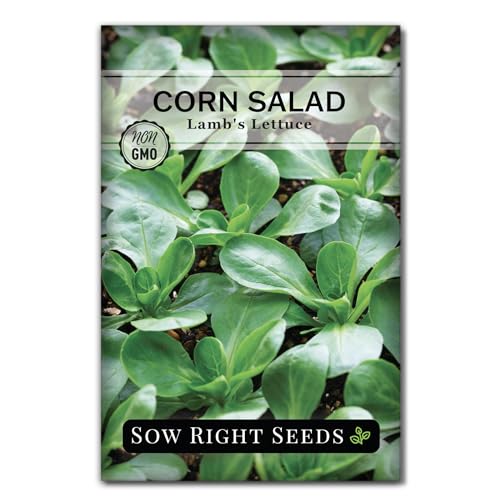
Beautiful – Verte de Cambrai, also known as Lamb's Lettuce or Corn Salad (Valerianella locusta), is a cool-season, low-growing green with a mild, nutty flavor. The tender leaves are perfect for salads, and it is an excellent addition to your fall and spring garden. Minimum of 2g per packet (about 2000 seeds).

[100% NON-GMO]: All our seeds are Non-GMO. The seed stock was grown up in the fertile soil in clean ECOLOGICAL AREA’S

HEIRLOOM CORN SALAD SEEDS FOR PLANTING - Also known as mache or lambs lettuce, this cold hardy European green, Corn Salad Verte de Cambrai (Valerianella locusta) forms compact rosettes and grows well in dense plantings
Seed Selection
Choose high-quality seeds from reliable sources. Look for varieties like ‘Lamb’s Lettuce’ or ‘Mâche.’ These options grow well in various conditions. Consider organic seeds for a chemical-free option. Check the seed packet for information on germination rates and planting times, ensuring that you plant them at the right season for your climate.
Planting Techniques
Follow these steps for successful planting:
- Prepare the Soil: Loosen the top 12 inches of soil. Mix in organic matter to enhance fertility.
- Set the Seeds: Sow seeds directly in the garden, spacing them 6 inches apart. Scatter them lightly over the soil surface, then cover with a thin layer of soil.
- Water Gently: Water the planted area lightly to avoid displacing seeds. Keep the soil consistently moist but not waterlogged.
- Thin the Seedlings: Once seedlings are about 2 inches tall, thin them to create space. Aim for a spacing of 8 to 10 inches between plants to promote airflow and growth.
- Provide Care: Regularly check for pests and weeds. Fertilize every few weeks with a balanced fertilizer to encourage healthy development.
By following these steps, you create an ideal environment for your lamb’s lettuce to thrive and grow into nutritious greens.
Caring for Lambs Lettuce
Caring for lamb’s lettuce ensures a bountiful harvest. Focus on watering and pest management to maintain healthy plants.
Recommended Products

Slowly waters the soil around your plants for complete root zone hydration; Ideal for short runs on flat surfaces, such as vegetable gardens, borders, and around small plants

Heavy duty recycled rubber soaker hose is made to last many seasons

70% Water Saving Design:Slow and even seepage directly to plant roots, reduce water evaporation and waste, perfect for efficient garden irrigation.
Watering Guidelines
Water lamb’s lettuce consistently. Soil should remain moist, but avoid waterlogging. During dry spells, water deeply once a week, giving plants approximately 1 inch of water. Use a soaker hose or watering can to direct moisture at the roots, preventing fungal issues. If rainfall exceeds 1 inch weekly, skip additional watering.
Pest Management
Monitor lamb’s lettuce for pests like aphids and slugs. If you spot aphids, spray a strong stream of water to dislodge them. Introduce beneficial insects, such as ladybugs, as natural predators. For slugs, set out beer traps or use diatomaceous earth around plants. Regularly inspect your plants for signs of pests or damage. Early intervention prevents larger infestations.
Harvesting Lambs Lettuce
Harvesting lamb’s lettuce is straightforward and rewarding. Picking at the right time ensures the best flavor and texture.
Best Time to Harvest
Harvest lamb’s lettuce when the leaves are tender and vibrant green, typically around 6 to 8 weeks after planting. Look for a height of about 6 inches for optimal taste. To maximize flavor, avoid harvesting during extremely hot weather, as it might lead to bitterness. If you’re in a region with milder climates, harvesting can occur year-round.
Techniques for Harvesting
Use clean, sharp scissors or garden shears for effective cutting. Follow these steps:
- Select Leaves: Choose outer leaves rather than cutting the entire plant. This method allows for continued growth.
- Cut Leaves: Snip the leaves at the base, close to the stem. Aim to remove about one-third of the plant at a time, which encourages fresh growth.
- Handle with Care: Place cut leaves gently in a basket or container to avoid bruising.
- Wash Promptly: Rinse harvested leaves thoroughly under cold water to remove dirt and debris.
- Store Properly: Wrap washed leaves in a damp paper towel, then place them in a plastic bag in the fridge for up to a week.
By following these techniques, you ensure a fresh and delicious supply of lamb’s lettuce for your meals.
Conclusion
Growing lamb’s lettuce is a rewarding experience that brings fresh flavors to your kitchen. With its easy care requirements and adaptability to different conditions, you can enjoy a bountiful harvest in no time.
Whether you’re tossing it in salads or using it as a garnish, this leafy green is sure to impress. Remember to keep an eye on watering and pests to maintain healthy plants.
As you harvest those vibrant greens, you’ll appreciate the effort you put into growing your own nutritious produce. So grab your seeds and start planting—you’ll love the taste and satisfaction of homegrown lamb’s lettuce.
Frequently Asked Questions
What is lamb’s lettuce, and why should I grow it?
Lamb’s lettuce, also known as mâche, is a leafy green vegetable perfect for gardens. It’s easy to grow, thrives in various conditions, and adds a unique, mild nutty flavor to salads and dishes. Rich in vitamins A and C, iron, and folate, it offers numerous nutritional benefits.
How do I prepare my garden for growing lamb’s lettuce?
Choose a location that gets at least six hours of sunlight daily, ideally in partial shade. Ensure good drainage and prepare well-drained, nutrient-rich soil with a pH of 6.0 to 7.0. Mix in organic matter to enhance fertility and loosen the top 12 inches of soil for better root growth.
How do I plant lamb’s lettuce seeds?
Select high-quality seeds like ‘Lamb’s Lettuce’ or ‘Mâche’, preferably organic. Prepare your soil, sow the seeds with proper spacing, and water gently. Thin seedlings as they grow to ensure healthy development. Providing ongoing care will help secure a strong harvest.
What care should I provide for my lamb’s lettuce plants?
Regularly water your lamb’s lettuce to keep the soil moist but not waterlogged, especially during dry spells. Monitor for pests like aphids and slugs, and use natural solutions such as beneficial insects or traps to manage infestations to maintain plant health.
When is the best time to harvest lamb’s lettuce?
The ideal time to harvest lamb’s lettuce is around 6 to 8 weeks after planting when the leaves are tender and vibrant green. Harvesting outer leaves with clean scissors will ensure you get the best flavor and texture while allowing the inner leaves to continue growing.
