

Have you ever wondered why your lettuce isn’t thriving as you’d hoped? If your leafy greens look lackluster, nitrogen might be the missing ingredient in your garden. This essential nutrient plays a key role in plant growth, especially for leafy vegetables like lettuce.
Key Takeaways
- Nitrogen’s Vital Role: Nitrogen is essential for promoting lush, vibrant foliage and overall growth in lettuce, making it a crucial nutrient for healthy plants.
- Soil Preparation is Key: Use sandy loam or loamy soil with a pH of 6.0 to 7.0, and integrate nitrogen-rich amendments like compost or aged manure before planting.
- Signs of Nitrogen Deficiency: Watch for yellowing leaves, stunted growth, and poor flavor, as these indicate a lack of nitrogen that can adversely affect harvest quality and yield.
- Balanced Fertilization Strategy: Start with a balanced fertilizer high in nitrogen and supplement with liquid fertilizers as needed, monitoring leaf color for nutrient sufficiency.
- Organic and Inorganic Nitrogen Sources: Utilize both organic sources (like compost, manure, and blood meal) and inorganic fertilizers (such as urea and ammonium nitrate) for effective nitrogen application based on your gardening preferences.
Overview of Lettuce Cultivation
Lettuce thrives in a well-prepared environment. You can grow lettuce in various settings, including home gardens and commercial farms. Most varieties prefer cool temperatures, ideally between 60°F and 70°F.
Soil Preparation
- Soil Type: Choose sandy loam or loamy soil for optimal drainage and aeration.
- pH Level: Aim for a pH between 6.0 and 7.0 to support healthy growth.
- Nitrogen Requirement: Lettuce requires ample nitrogen for leafy growth. Incorporate nitrogen-rich amendments, like compost or aged manure, before planting.
Planting Guidelines
- Seed Spacing: Space seeds roughly 12 inches apart for heads and 6 inches apart for loose-leaf varieties.
- Depth: Plant seeds ¼ inch deep. This ensures they receive adequate moisture for germination.
- Watering: Maintain consistent moisture levels. Water regularly, but avoid waterlogging the soil to prevent root rot.
Nutrient Management
- Fertilization Strategy: Start with a balanced fertilizer, high in nitrogen. As lettuce grows, you can supplement with liquid fertilizers every few weeks.
- Observation: Monitor leaf color and growth rates. Dark green leaves indicate sufficient nitrogen, while pale leaves suggest a deficit.
- Common Pests: Watch out for aphids and slugs. Use organic treatments, such as neem oil or diatomaceous earth, for control.
- Diseases: Prevent fungal issues by implementing crop rotation and ensuring proper spacing for airflow.
By following these guidelines, you create an ideal environment for lettuce. Paying attention to nitrogen levels, soil health, and pest management ensures productive growth and a bountiful harvest.
Nutrient Requirements for Lettuce
Lettuce thrives best when provided with essential nutrients, particularly nitrogen and other vital elements. Understanding these nutrient requirements helps you achieve optimal growth and yield.
Recommended Products
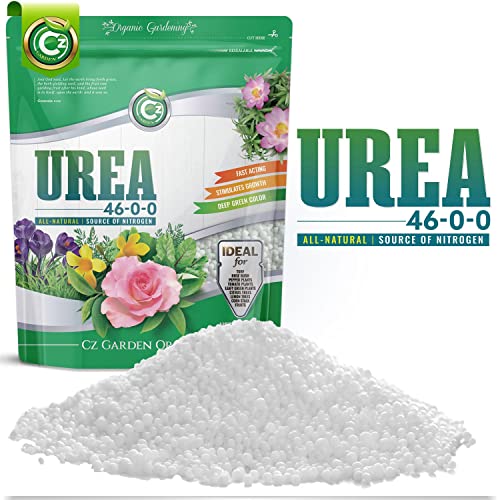
PREMIUM QUALITY INGREDIENTS – Cz Garden Urea is a water soluble, high purity nitrogen fertilizer designed to boost the healthy development of all your indoor flowers, lawn, and garden vegetables.

Made for Nitrogen Support – Formulated to supply nitrogen for essential plant nutrition.

High Nitrogen Formula – Promotes lush green foliage and vigorous plant growth.
Role of Nitrogen in Plant Growth
Nitrogen plays a key role in lettuce growth. It promotes lush foliage and vibrant green color. Adequate nitrogen levels lead to healthier plants, facilitating photosynthesis and overall development. When nitrogen is lacking, you’ll notice stunted growth and yellowing leaves. Incorporating nitrogen-rich amendments, such as compost or blood meal, into your soil before planting ensures your lettuce gets a strong start.
Other Essential Nutrients
Lettuce also requires other nutrients, including:
- Phosphorus: Supports root development and energy transfer. Use bone meal or rock phosphate to enhance phosphorus levels.
- Potassium: Aids in water retention and disease resistance. Potassium-rich fertilizers like greensand can boost your soil’s potassium content.
- Calcium: Important for cell wall structure and overall plant strength. Gypsum or lime can provide the necessary calcium.
- Magnesium: Essential for photosynthesis, magnesium prevents yellowing leaves. Epsom salt is an effective source for replenishing magnesium.
By ensuring your soil contains these nutrients, along with nitrogen, you create an ideal feeding environment for your lettuce, leading to healthy growth and a fruitful harvest.
Understanding Nitrogen Deficiency
Nitrogen deficiency significantly impacts lettuce health and growth. Recognizing the signs early can make a difference in your harvest.
Recommended Products

🥬 CRAFTED FOR ALL LETTUCE VARIETIES – Gardenera LIQUID POWER Lettuce Fertilizer is specially formulated to support rapid leaf development, crisp texture, and vibrant green color in romaine, butterhead, iceberg, red leaf, and loose-leaf lettuces.

BEST FERTILIZER FOR POTTED LETTUCE- With a thoughtful NPK of 10-0-10 this foliar spray is the optimal blend of nitrogen and potassium to promote large, delicious edible leaves in your home lettuce garden.

MasterBlend Lettuce Fertilizer Formula by PowerGrow Systems is fully Water Soluble
Symptoms in Lettuce Plants
You can spot nitrogen deficiency in lettuce by observing specific symptoms.
- Yellowing Leaves: Lower leaves start to yellow while the upper leaves remain green.
- Stunted Growth: Plants may not reach their full height or size.
- Reduced Leaf Production: You might notice fewer leaves developing.
- Poor Flavor: Lettuces may taste bitter or bland.
Pay attention to these indicators. Early detection allows for prompt action.
Effects on Yield and Quality
Nitrogen deficiency negatively affects both yield and quality.
- Lower Yield: Insufficient nitrogen leads to smaller heads. This results in fewer harvestable products.
- Quality Decline: A lack of nitrogen can cause poor texture and flavor. Your lettuce may not have the crispness or taste expected.
- Increased Susceptibility: Deficient plants are more vulnerable to diseases, which can lead to further losses.
By ensuring adequate nitrogen levels, you enhance both the yield and quality of your lettuce while minimizing risks.
Methods of Nitrogen Application
You can effectively apply nitrogen to lettuce through various methods. Each method has unique benefits, and selecting the right option can enhance your crop’s growth.
Recommended Products

GROW STRONGER PLANTS: Blood meal is an effective starter fertilizer and excellent source of nitrogen for green garden vegetables and colorful flower blooms. This natural soil amendment helps to promote bountiful growth and yield throughout your growing season.

Supports Lush Growth: True Organic Herb & Leafy Greens Food enhances the growth of vibrant, organic herbs and leafy greens for your garden or kitchen.

For more nutritious and tasty vegetables
Organic Sources of Nitrogen
Organic sources of nitrogen include materials derived from natural processes. These options improve soil health and provide a slow-release nitrogen supply.
- Compost: Compost adds nutrients and enhances soil structure. You can create compost using kitchen scraps, yard waste, and manure.
- Manure: Well-aged manure from cows, chickens, or horses serves as an excellent nitrogen source. Apply it several weeks before planting to avoid burning your plants.
- Fish Emulsion: Fish emulsion is a liquid fertilizer that provides immediate nourishment. Dilute it according to package directions and apply every few weeks during the growing season.
- Blood Meal: Blood meal offers a concentrated nitrogen source. Incorporate it into the soil or mix it with water to create a fertilizer solution.
- Alfalfa Meal: Alfalfa meal releases nitrogen slowly as it decomposes. It also enriches the soil with other essential nutrients.
Inorganic Fertilizers
Inorganic fertilizers supply nitrogen quickly and efficiently. These fertilizers often contain precise nutrient ratios, making it easier to manage nitrogen levels.
- Ammonium Nitrate: Ammonium nitrate provides a fast-acting nitrogen source. Apply it directly to the soil at the beginning of the growing season.
- Urea: Urea is a commonly used nitrogen fertilizer. Granular or liquid forms are available. Incorporate urea into the soil or dissolve it in water for a quick application.
- Calcium Nitrate: Calcium nitrate adds both calcium and nitrogen. It supports plant health and prevents blossom end rot. Apply it during the growing season for sustained growth.
- Slow-Release Fertilizers: Slow-release options gradually provide nitrogen over weeks or months. Look for products that offer controlled release for consistent nutrient availability.
By understanding these nitrogen application methods, you can choose the best option for promoting healthy lettuce growth.
Conclusion
Ensuring your lettuce gets enough nitrogen is key to a thriving garden. By paying attention to soil preparation and nutrient management you can create an environment where your lettuce flourishes. Regularly check for signs of nitrogen deficiency and adjust your fertilization strategy accordingly.
With the right balance of nutrients and care you’ll not only enhance the growth of your lettuce but also improve its flavor and quality. So go ahead and give your lettuce the nitrogen it craves for a bountiful harvest that you can enjoy. Happy gardening!
Frequently Asked Questions
Why is nitrogen important for lettuce growth?
Nitrogen is crucial for plant growth because it promotes healthy leaf development and overall vigor. For leafy vegetables like lettuce, nitrogen aids in chlorophyll production, which enhances photosynthesis and leads to higher yields. Without sufficient nitrogen, lettuce may exhibit poor growth and yellowing leaves.
What are the optimal growing conditions for lettuce?
Lettuce thrives in temperatures between 60°F and 70°F. A well-prepared environment includes sandy loam or loamy soil with a pH level between 6.0 and 7.0. Consistent moisture without waterlogging is essential for healthy growth.
How can I tell if my lettuce has a nitrogen deficiency?
Symptoms of nitrogen deficiency in lettuce include yellowing leaves, stunted growth, and reduced leaf production. Early detection is vital, as inadequate nitrogen can lead to poor flavor and lower yields, impacting the overall quality of your harvest.
What kind of fertilizers are recommended for lettuce?
A balanced fertilizer high in nitrogen is ideal for lettuce cultivation. Organic sources like compost, blood meal, and fish emulsion provide a slow release of nutrients, while inorganic options like urea and ammonium nitrate deliver quick nitrogen availability for plant uptake.
How can I prevent pests and diseases in my lettuce?
To prevent pests like aphids and slugs, consider organic treatments such as neem oil or diatomaceous earth. Additionally, practicing crop rotation and maintaining proper spacing can reduce disease incidence and promote healthy growth in your lettuce crops.
