

Have you ever wondered how much you can get from a single lettuce plant? Whether you’re a seasoned gardener or just starting out, knowing the yield can help you plan your garden better and avoid disappointment.
Imagine planting a few seeds and watching them grow into crisp, fresh lettuce. But how many salads can you expect from that one plant? This article will break down the factors that influence lettuce yield and give you a clearer picture of what to expect. By the end, you’ll have the insights you need to maximize your harvest and enjoy homegrown produce like never before.
Key Takeaways
- Lettuce Yield Varies: Single lettuce plants yield between 0.5 to 1.5 pounds, depending on variety and care.
- Key Influencing Factors: Yield is affected by lettuce variety, growing conditions (temperature, light, soil), spacing, watering, and fertilization.
- Optimal Spacing Practices: Space lettuce plants 10 to 12 inches apart to enhance airflow and prevent diseases, allowing for better yields.
- Continuous Harvesting: Succession planting every 2 to 3 weeks can provide a continuous supply of fresh lettuce throughout the growing season.
- Nutrient Management: Use balanced fertilizers and enrich soil with organic matter to maximize growth and yield potential.
- Understand Plant Types: Different varieties such as leaf, romaine, and butterhead have distinct yield characteristics and harvesting potential.
Understanding Lettuce Plant Yields
Lettuce yields vary based on several factors. Knowing these can help you maximize your harvest.
Factors Influencing Yield
- Variety: Different lettuce types, such as leaf, romaine, and butterhead, produce differing amounts. Leaf lettuce tends to yield more per plant than head varieties.
- Growing Conditions: Temperature, light, and soil quality are crucial. Ideal conditions include temperatures between 60°F and 70°F and well-draining soil rich in organic matter.
- Spacing: Proper plant spacing enhances airflow and light exposure. Space plants 10 to 12 inches apart for optimal growth and yield.
- Watering Practices: Consistent moisture promotes healthy growth. Aim for deep watering once a week, adjusting based on rainfall and temperature.
- Fertilization: Nutrient supply impacts growth. Consider using a balanced fertilizer during planting and light feeding every few weeks to boost yield.
- Butterhead Lettuce: Known for its soft leaves and sweet flavor, butterhead typically produces around 1 to 2 heads per plant.
- Romaine Lettuce: This variety grows taller and can offer 1 to 3 heads per plant, depending on care and conditions.
- Leaf Lettuce: Leaf types, such as red or green oak leaf, generally yield more. A single plant can produce multiple harvests over time.
- Crisphead Lettuce: Commonly known as iceberg, this variety usually yields 1 compact head per plant, providing a crunchy texture.
Average Yield Estimates
Lettuce plant yields vary based on several factors. Understanding average yields helps you plan your garden effectively.
Recommended Products

4 Popular Heirloom Lettuce Varieties: Includes Red Romaine, Bibb Butterhead, Black Seeded Simpson, and Green Ice lettuce seeds to grow crisp, tender, and colorful salad greens with balanced flavor, texture, and visual appeal.

COMPLETE VARIETY PACK: Eight popular lettuce seeds including Buttercrunch, Romaine, Iceberg, Bibb, Red Oakleaf, Prizehead, plus Kale and Spinach; Perfect lettuce seeds for planting outdoors or in hydroponic systems

🥬 Classic French Butterhead Lettuce: Marvel of Four Seasons is a traditional French butterhead variety known for forming beautiful, firm round heads with tender buttery leaves and attractive bronze-tinged color. The compact plants grow quickly and produce crisp, mild greens that are perfect for fresh salads and garden meals. Gardeners appreciate this variety for its dependable head formation and attractive appearance in garden beds.
Yield Per Plant
A single lettuce plant typically yields between 0.5 to 1.5 pounds of edible foliage. Butterhead varieties often produce around 0.75 to 1 pound, while romaine and leaf types can yield up to 1.5 pounds. Crisphead varieties, like Iceberg, typically yield about 1 pound. Your specific yield will depend on growing conditions and care.
Yield Per Square Foot
When grown intensively, lettuce can yield about 4 to 6 pounds per square foot. Using proper spacing will optimize plant growth. For example, if you space your plants 12 inches apart, you can fit about 1 to 2 plants per square foot, leading to approximately 2 to 3 pounds per square foot. In contrast, closer spacing of 6 inches can increase yields to about 4 to 6 pounds, enhancing your overall harvest.
Growing Conditions
Growing conditions significantly influence the yield of lettuce plants. The right soil, water, and sunlight can maximize your harvest. Here’s what you need to know.
Recommended Products
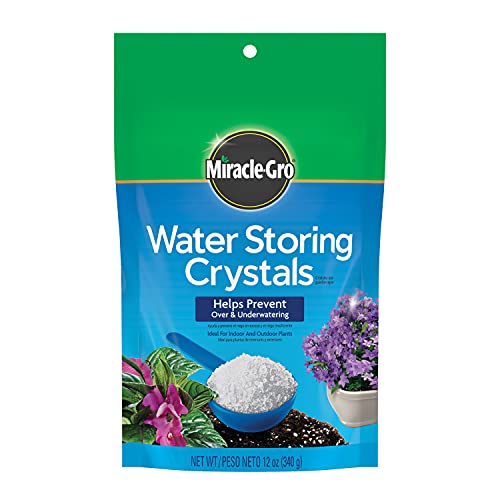
Prevents Over and Under Watering: Miracle-Gro Water Storing Crystals absorb moisture and release it back to your plants as needed, helping to prevent over and underwatering

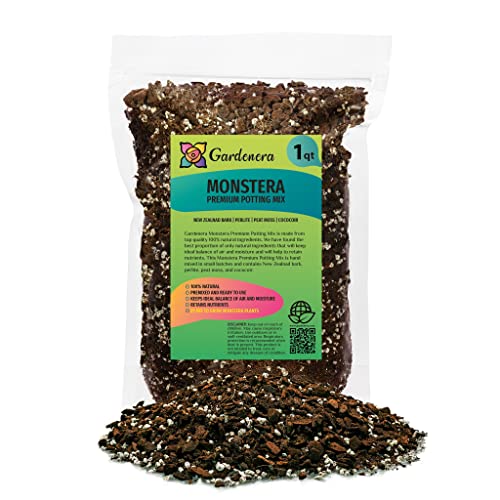
🌳 PREVENTS BROWN SPOTS, ROOT ROT, AND DROPPING LEAVES Created to provide well-draining soil using organic aged bark, coco coir, and perlite to maintain an optimal balance of water and air for your monsteras. ⭐ INGRIDIENTS: Peat moss, perlite, coco coir, biochar, worm castings, bark.
Soil Requirements
Soil quality directly impacts lettuce growth. Choose well-draining soil rich in organic matter. Aim for a pH between 6.0 and 7.0 for optimal growth. Mix in compost or aged manure to improve soil fertility. Maintaining good soil structure helps roots access nutrients effectively.
Watering and Sunlight Needs
Watering plays a crucial role in lettuce yield. Keep the soil consistently moist but not soggy. Aim for 1 to 1.5 inches of water per week, adjusting based on rainfall. Lettuce prefers full sun, receiving at least 6 to 8 hours daily. However, partial shade can protect plants during extreme heat, preventing bolting and maintaining quality foliage.
Tips for Maximizing Yield
Maximizing yield from lettuce plants involves careful planning and execution. Focus on spacing and fertilization techniques to enhance growth.
Recommended Products

K115 Crop Harvest Knife, 7.25-Inch Blade, is designed for trimming lettuce, greens, and soft-stemmed vegetables.
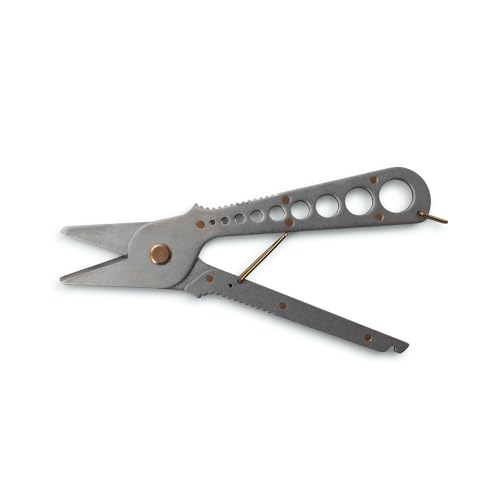
Versatile All-in-One Herb Tool: This pocket-sized implement is your ultimate herb harvesting and stripping solution. Trim your herbs with precision using the sharp scissors side and effortlessly clear and strip a variety of greens

5-Speed Precision Seeding and 12-Hole Soil Punch Dial through 5 adjustable spacing modes to prevent overcrowding and boost germination rates. The 12-hole soil punch creates evenly spaced planting holes in seconds, ensuring perfectly uniform depth for small seeds like lettuce, carrots, herbs, and microgreens. No more guesswork with finger-dug holes of inconsistent depth — just consistent rows and healthier seedlings from day one.
Optimal Spacing
Optimal spacing is crucial for lettuce growth. Space plants 10 to 12 inches apart to allow airflow and prevent overcrowding. This distance helps minimize disease risk and promotes healthier leaves. For succession planting, stagger sowing every 2 to 3 weeks. This method ensures a continuous harvest throughout the growing season.
Fertilization Techniques
Fertilization techniques significantly impact lettuce yields. Use a balanced fertilizer with an N-P-K ratio of 10-10-10 or similar. Apply it at planting and reapply every four weeks as the plants grow. Consider using organic options like compost or well-rotted manure. Both options enrich soil nutrients and improve moisture retention. Test soil pH regularly, aiming for a range between 6.0 and 7.0 for optimal nutrient absorption.
Conclusion
Growing lettuce can be a rewarding experience when you know what to expect from your plants. By paying attention to the right conditions and care techniques you can enjoy a bountiful harvest. Whether you’re aiming for fresh salads or adding to your culinary creations the yield from just one lettuce plant can surprise you.
With the right spacing and fertilization strategies you’ll set yourself up for success. Remember to keep an eye on your plants and adjust care as needed. Happy gardening and enjoy the fruits of your labor!
Frequently Asked Questions
What factors influence lettuce plant yields?
Lettuce plant yields are influenced by several factors, including the variety of lettuce, care practices, and environmental conditions. Key elements involve soil quality, water availability, and sunlight exposure, all contributing to a successful harvest.
What type of soil is best for growing lettuce?
The best soil for growing lettuce is well-draining and rich in organic matter, with a pH level between 6.0 and 7.0. This type of soil supports healthy root development and enhances nutrient absorption.
How much water do lettuce plants need?
Lettuce plants require consistent moisture to thrive. Regular watering ensures the soil remains damp but not waterlogged. Aim for about 1 inch of water per week, adjusting for rainfall and temperature.
How much sunlight do lettuce plants need?
Lettuce plants need adequate sunlight, ideally around 6 to 8 hours daily. This exposure promotes healthy growth and helps prevent issues like bolting or poor leaf quality.
What spacing is recommended for lettuce plants?
For optimal growth and to reduce the risk of disease, space lettuce plants 10 to 12 inches apart. This allows for adequate airflow and promotes healthier, larger leaves.
How can I fertilize my lettuce plants?
Using a balanced fertilizer with a 10-10-10 ratio or organic options like compost is recommended for lettuce plants. Regular fertilization supports growth and overall yield.
What is staggered sowing for lettuce?
Staggered sowing involves planting lettuce seeds at different intervals, allowing for a continuous harvest throughout the growing season. This method helps maintain a steady supply of fresh lettuce.
How often should I test my soil pH for growing lettuce?
Regular soil pH testing is suggested at least once or twice a year. This helps ensure optimal nutrient absorption and promotes healthy lettuce growth. Adjustments can be made based on the soil test results.
