

Have you ever wondered if starting lettuce indoors is the right move for your garden? Maybe you’ve faced the challenge of unpredictable weather or limited outdoor space. Starting your lettuce seeds indoors can be a game-changer, giving you a head start on the growing season and ensuring you get that crisp, fresh flavor you crave.
Key Takeaways
- Control Over Growing Conditions: Starting lettuce indoors allows for better regulation of temperature, humidity, and light, leading to healthier seedlings.
- Earlier Harvests: Indoor planting enables an earlier start, allowing you to harvest fresh lettuce weeks before outdoor planting.
- Variety Selection Matters: Choosing the right varieties, such as Butterhead or Red Romaine, is essential for optimal growth indoors.
- Proper Containers and Soil: Use containers with good drainage and quality potting mix to promote strong root development.
- Transplanting Best Practices: Transplant seedlings at the right time and gradually acclimate them to outdoor conditions to ensure successful growth.
- Ongoing Care: Regular monitoring of moisture and pests is crucial after transplanting to maintain healthy plants.
Benefits Of Starting Lettuce Indoors
Starting lettuce indoors offers notable advantages for gardeners. You gain more control over growing conditions and extend the growing season.
Better Control Over Growing Conditions
You can regulate the environment when starting lettuce seeds indoors. Indoor conditions allow you to manage temperature, humidity, and light levels effectively. For instance, using grow lights ensures your lettuce gets sufficient light, even in cloudy weather. This consistent environment promotes healthier seedlings and reduces the risk of diseases that may arise from outdoor elements.
Extended Growing Season
Starting lettuce indoors allows for an earlier start in the growing season. When you sow seeds indoors 4 to 6 weeks before the last frost date, you can transplant them once the weather becomes suitable. This method results in earlier harvests and helps you enjoy fresh lettuce sooner. If you live in cooler climates, starting indoors significantly increases your yield throughout the year, giving you more opportunities to enjoy homegrown lettuce.
Best Varieties For Indoor Planting
Choosing the right lettuce varieties for indoor planting is crucial for successful growth. Some varieties thrive better in controlled environments and can offer delicious results.
Recommended Products
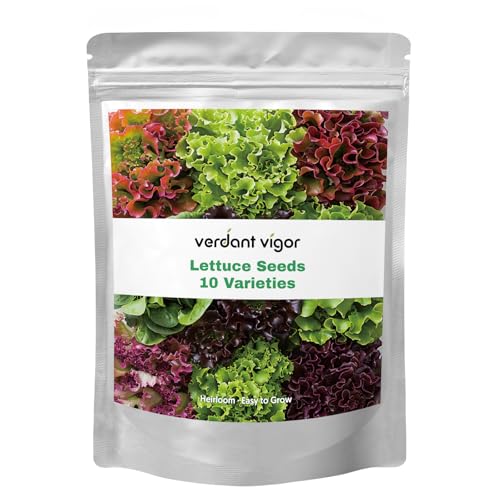
Healthy Food Source: Because of its tender flavor, lettuce is a popular vegetable for salad, sandwiches, wraps, soups, stir-fries and juice. There are over 20,000 seeds, 10 kinds of lettuce collection, including bibb, boston, iceberg, buttercrunch, grand rapids TBR, oakleaf, ruby leaf, cimmaron romaine and waldmann's

USDA Certified Organic by Oregon Tilth

4 Popular Heirloom Lettuce Varieties: Includes Red Romaine, Bibb Butterhead, Black Seeded Simpson, and Green Ice lettuce seeds to grow crisp, tender, and colorful salad greens with balanced flavor, texture, and visual appeal.
Leaf Lettuce Varieties
- Butterhead
Butterhead lettuce features soft, tender leaves with a buttery flavor. It grows well in containers and needs around 50 to 60 days from seed to harvest. - Looseleaf
Looseleaf lettuce grows quickly and easily in pots. Varieties like Black Seeded Simpson or Red Romaine thrive indoors. Harvesting leaves as needed encourages further growth. - Mache (Corn Salad)
Mache is a cold-weather hardy green with a nutty flavor. It tolerates lower light levels but still needs about 50 to 60 days to mature.
- Paris Island Cos
Paris Island Cos is a popular romaine variety known for its crunchy texture. It matures in roughly 70 days and does well in indoor setups with ample light. - Red Romaine
Red Romaine offers striking color and great flavor. It grows well in containers, and you’ll enjoy harvesting crisp leaves about 60 to 70 days after planting. - Little Gem
Little Gem is a dwarf romaine variety, perfect for small spaces. It matures in about 50 days and provides a sweet taste with compact heads ideal for pots.
By selecting appropriate varieties, you can optimize your indoor lettuce gardening experience and enjoy fresh greens year-round.
How To Start Lettuce Indoors
Starting lettuce indoors involves specific steps that ensure healthy growth and a bountiful harvest. Follow these guidelines to establish a thriving indoor lettuce garden.
Choosing The Right Containers
Select containers that provide adequate drainage. Options include:
- Seed trays: Ideal for starting multiple seedlings.
- Small pots: Use for individual plants, ensuring at least 4 inches in depth.
- Recycled containers: Yogurt cups or takeout containers work well but add drainage holes.
Consider using containers made from materials like plastic, terracotta, or fabric. Choose ones that allow roots to breathe and prevent rot.
Soil And Watering Requirements
Utilize a quality potting mix specifically designed for seed starting. A lightweight, well-draining blend promotes healthy root growth. Recommendations include:
- Seed-starting mix: Contains peat, perlite, or vermiculite for optimal drainage and aeration.
- Compost: Adds nutrients for stronger growth.
Water the soil until it’s evenly moist, but avoid saturation. Once seedlings emerge, keep the soil slightly damp. Use a spray bottle for gentle watering to avoid displacing seeds. Monitor moisture levels closely, especially in warmer indoor conditions.
Transplanting Lettuce Outdoors
Transplanting lettuce outdoors requires careful timing and technique for successful growth. Follow these guidelines to make the process smooth and effective.
Recommended Products

EASIER SEED STARTING: Our Burpee SuperSeed tray with 36 flexible pop-out cells is designed to simplify indoor seed starting for all your favorite vegetables, flowers and herbs. Just add seed starting mix, seeds, water and light to get growing! Rows are labeled alphanumerically for seedling identification with included Plant-o-Gram diagram. Tray dimensions: 11.5" x 10-3/8" x 2-1/4"

This lettuce is well known for its sweet flavor. Best if harvested in the morning.

Beautiful - Large, premium packet of a blend of heirloom Lettuce seeds (Latuca sativa). This surprising mix of pretty and colorful lettuces will be a welcome addition to your garden in early spring and fall. Minimum of 600 mg per packet (about 650 seeds).
Timing For Transplanting
Transplant lettuce outdoors when seedlings reach 3 to 4 inches tall and have 2 to 4 true leaves. This stage indicates they’re ready for the next step. Monitor local weather forecasts. Transplant at least 1 to 2 weeks before the last expected frost date, ensuring the soil temperature stays consistently above 50°F for optimal growth.
- Prepare the Site: Choose a location that receives full sun for at least 6 hours daily. Loosen the soil and add compost to enhance fertility and drainage.
- Harden Off Seedlings: Gradually acclimate seedlings to outdoor conditions. Start by placing them outside for 1 to 2 hours daily, increasing the time over 7 to 10 days.
- Make Planting Holes: Dig holes spaced 10 to 12 inches apart, depending on the variety selected. For compact varieties, closer spacing works best.
- Transplant Seedlings: Gently remove seedlings from containers, taking care to preserve the roots. Place each seedling in the hole, ensuring the base of the plant sits level with the soil surface.
- Water Thoroughly: After planting, water the seedlings deeply to establish moisture. This helps reduce transplant shock.
- Mulch: Apply a layer of mulch around the plants to retain moisture, suppress weeds, and maintain soil temperature.
- Monitor Growth: Keep an eye on your newly transplanted lettuce. Water as needed, and check for pests or diseases that may affect growth.
Following these steps ensures a successful transition from indoors to outdoors, helping you enjoy fresh, homegrown lettuce in no time.
Conclusion
Starting lettuce indoors can be a game-changer for your gardening experience. You’ll enjoy fresher flavors and healthier plants while getting a jump on the growing season. By choosing the right varieties and creating optimal conditions, you can ensure a successful indoor start that leads to a bountiful harvest.
As you transplant your seedlings outdoors, remember to take your time and follow the necessary steps for a smooth transition. With a little patience and care, you’ll be rewarded with delicious homegrown lettuce that you can enjoy in salads and sandwiches. Happy gardening!
Frequently Asked Questions
Why should I start lettuce seeds indoors?
Starting lettuce seeds indoors allows you to control growing conditions, such as temperature and light, which promotes healthier seedlings. It also enables earlier planting, yielding fresh greens sooner, especially crucial in cooler climates.
When is the best time to start lettuce seeds indoors?
Start lettuce seeds indoors 4 to 6 weeks before the last expected frost date. This timing helps you produce seedlings ready for transplanting once outdoor conditions improve.
What types of lettuce are best for indoor planting?
Recommended varieties for indoor planting include Butterhead, Looseleaf, Mache, Paris Island Cos, Red Romaine, and Little Gem. Each variety offers unique flavors and growth characteristics suited for container gardening.
What kind of containers should I use for starting lettuce seeds?
Use seed trays, small pots, or recycled containers that ensure good drainage. The containers should have materials that allow roots to breathe, thus preventing rot and promoting healthy growth.
How should I water indoor lettuce seedlings?
Water your seedlings gently to keep the soil evenly moist but not saturated. Using a spray bottle can help you avoid displacing seeds while ensuring they receive adequate moisture.
When is the right time to transplant lettuce outdoors?
Transplant seedlings when they reach 3 to 4 inches tall and have 2 to 4 true leaves, ideally 1 to 2 weeks before the last expected frost date, and when soil temperatures are above 50°F.
What preparation is needed before transplanting lettuce outdoors?
Before transplanting, prepare the site by ensuring it has full sun exposure, loosening the soil, and adding compost. This optimizes nutrient levels and promotes healthy growth for your transplanted lettuce.
What is the hardening-off process, and why is it important?
The hardening-off process involves gradually exposing indoor seedlings to outdoor conditions. This step is crucial as it helps them acclimate, reducing transplant shock and improving their chances of thriving in the garden environment.
