

Have you ever wondered how long it takes for lettuce seeds to sprout and turn into those crisp leaves you love? If you’re thinking about starting a garden or just want to grow some fresh greens at home, knowing the timeline can make all the difference.
Key Takeaways
- Germination Timeline: Lettuce seeds typically sprout within 7 to 14 days under optimal conditions of moisture, temperature, and light.
- Ideal Conditions: The best temperature range for lettuce germination is between 65°F and 70°F, with consistently moist, well-draining soil.
- Growth Stages: Lettuce progresses through distinct stages: from germination to seedling (2-3 inches tall) and on to maturity, which can take as little as 30 to 50 days depending on the variety.
- Harvesting Indicators: Look for fully grown leaves (6-12 inches), vibrant color, and crisp texture to determine the best harvest time.
- Optimal Harvest Timing: For best flavor, harvest lettuce early in the morning, avoiding heat to prevent bitterness.
Understanding Lettuce Seeds Germination
Lettuce seeds germinate quickly under the right conditions. Understanding these conditions helps you grow fresh, healthy lettuce in your garden.
Recommended Products

Pro Grow Lights with Advanced Chips: Equipped with 56 high-efficiency beads per tray, these LED strips simulate natural sunlight for optimal seedling growth. Adjustable brightness and timer functions let you customize lighting for every plant stage, promoting faster, healthier growth—perfect for herbs, flowers, and more

Graphene Seed Heat Mat for Faster Germination: Compared to traditional electric heating mats, our graphene heat mat heats up faster and more evenly, with a built-in timer for convenience. It creates the ideal environment for indoor seed starting trays, greenhouse seed germination, and hydroponic plant propagation. Designed for indoor gardening, this waterproof and reusable heat mat accelerates growth and improves seedling survival rates.

USDA Certified Organic by Oregon Tilth
Ideal Conditions for Germination
- Temperature: Lettuce seeds thrive in temperatures between 65°F and 70°F. When soil temperatures drop below 50°F or rise above 75°F, germination slows.
- Moisture: Keep the soil consistently moist, but not waterlogged. Lettuce seeds require adequate moisture for germination. Use a light spray to maintain moisture levels.
- Light: Lettuce seeds benefit from light during the germination process. For best results, plant seeds just below the soil surface, exposing them to light while allowing for slight coverage.
- Soil Type: Choose well-draining, fertile soil. A mix of compost and garden soil creates an ideal medium for growth.
- Days 1-3: Seeds start soaking up water, which activates enzymes for germination.
- Days 4-10: Growth begins. You may notice tiny sprouts appearing as new leaves form. Monitor soil moisture and temperature.
- Days 10-14: The first true leaves emerge. At this stage, ensure seedlings receive plenty of light to support growth.
- Days 14-30: Lettuce continues to grow rapidly, reaching maturity in as little as 30 days, depending on the variety.
By providing optimal germination conditions, you can enjoy fresh lettuce faster and ensure a successful crop.
Growth Stages of Lettuce
Lettuce growth occurs through distinct stages, each crucial for developing fresh and healthy plants. Understanding these stages helps you manage your garden effectively.
Seedling Stage
The seedling stage starts once the seeds germinate. Typically, seeds sprout within 7 to 14 days under optimal conditions. During this phase, seedlings require consistent moisture and light for proper development.
- Watering: Keep the soil consistently moist but not waterlogged. Use a spray bottle for gentle watering.
- Lighting: Provide 10 to 12 hours of light daily using grow lights or natural sunlight.
- Temperature: Maintain a temperature range of 65°F to 70°F for ideal growth.
Healthy seedlings should be about 2 to 3 inches tall with a vibrant green color.
Mature Plant Development
As seedlings grow, they transition to mature plant development. This stage can take 30 to 50 days post-germination, depending on the lettuce variety.
- Thinning: Thin out weaker seedlings to allow strong ones to flourish. Space plants about 6 to 12 inches apart for adequate air circulation.
- Nutrient Needs: Apply a balanced fertilizer every few weeks to boost growth. Look for N-P-K ratios around 10-10-10.
- Pest Management: Regularly check for pests like aphids or slugs. Organic solutions such as neem oil or hand-picking can control infestations.
Mature lettuce plants should reach 6 to 12 inches tall and be ready for harvesting when the leaves are crisp and firm.
Factors Affecting Growth Time
Several factors influence how long it takes for lettuce seeds to grow. Understanding these elements helps optimize your growing conditions for a successful harvest.
Recommended Products

COMPLETE VARIETY PACK: Eight popular lettuce seeds including Buttercrunch, Romaine, Iceberg, Bibb, Red Oakleaf, Prizehead, plus Kale and Spinach; Perfect lettuce seeds for planting outdoors or in hydroponic systems

Quick, at home results for Soil pH, Nitrogen, Phosphorous and Potash Innovative and inexpensive soil test kit features an easy-to-use capsule system and patented color comparators

PREMIUM INGREDIENTS: This specifically crafted organic compost blend for seed germination and rooting cuttings is carefully formulated to provide essential nutrients that supports seedling development, drainage and aeration.
Temperature and Climate
Temperature plays a crucial role in lettuce seed germination and plant growth. Ideal temperatures range from 60°F to 70°F (15°C to 21°C). When soil temperatures exceed 75°F (24°C), germination slows, and growth may become stunted. Cooler climates also support quicker germination rates, while excessively warm conditions can lead to bolting—a premature flowering that affects leaf quality. For example, if you live in a warmer area, you might consider planting lettuce during the cooler months or providing shade.
Soil Quality and Nutrients
Soil quality directly impacts lettuce growth time. Well-draining, fertile soil enriched with organic matter aids faster growth. Aim for a pH level between 6.0 and 6.8 for optimal nutrient absorption. Use compost or well-rotted manure to enhance soil fertility. Nutrient availability also matters; lettuce requires nitrogen for leafy growth and potassium for robust roots. Conducting a soil test can guide you in adjusting nutrient levels. Regular fertilization throughout the growth stages ensures your plants receive the essential nutrients, helping to reduce growth time and improve yield.
Harvesting Lettuce
Harvesting lettuce at the right time ensures the best flavor and texture. It usually takes 30 to 80 days from planting to reach maturity, depending on the lettuce variety.
Recommended Products
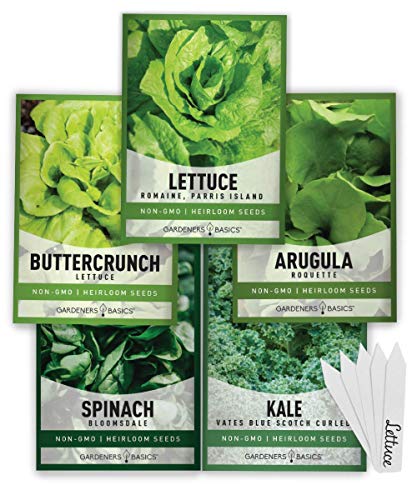
Five leafy greens varieties: Plant Parris Island romaine lettuce seeds, Buttercrunch lettuce seeds, Roquette arugula seeds, Vates Blue Scotch Curled kale seeds, and Bloomsdale spinach seeds. Includes 4,500+ seeds in five separate labeled packets.

Complete Lettuce Garden Starter Kit Indoor – 5 heirloom salad and green seed packets, 8 biodegradable soil disks, 8 plant markers, and 8 starter pots. Romaine, Spinach, Arugula, Kale and Buttercrunch lettuce heirloom seeds are the star of the set!

4 Popular Heirloom Lettuce Varieties: Includes Red Romaine, Bibb Butterhead, Black Seeded Simpson, and Green Ice lettuce seeds to grow crisp, tender, and colorful salad greens with balanced flavor, texture, and visual appeal.
Signs of Maturity
Look for specific indicators to determine when your lettuce is ready for harvest.
- Leaf Size: Leaves should be fully grown but not overly large, generally around 6 to 12 inches long, depending on the variety.
- Color: Leaf color should appear vibrant and consistent. Healthy greens signal maturity.
- Texture: Leaves should feel firm and crisp without signs of wilting or yellowing.
When these signs are present, it’s time to check for flavor before harvesting.
Timing for Optimal Taste
Taste plays a crucial role in lettuce quality.
- Morning Harvests: The best time for harvesting is early in the morning. The cooler temperatures keep leaves crisp and flavorful.
- Avoid Heat: Temperature affects bitterness. Harvesting during peak heat can lead to a more bitter taste.
- Check Growth Timeline: Depending on the variety, taste peaks occur between 30 to 70 days post-germination.
By monitoring these factors, you can enjoy fresh, delicious lettuce straight from your garden.
Conclusion
Growing your own lettuce can be a rewarding experience that adds fresh flavors to your meals. By understanding the growth timeline and the factors that influence it you can create the best environment for your lettuce to thrive.
Whether you’re planting seeds directly in the soil or starting with seedlings patience is key. With the right care and attention you’ll soon be enjoying crisp, homegrown lettuce that tastes better than anything from the store.
So gather your supplies and get started on your lettuce journey. Happy gardening!
Frequently Asked Questions
What are the best conditions for lettuce germination?
To achieve optimal lettuce germination, maintain a temperature between 60°F to 70°F, provide consistent moisture without waterlogging, and ensure adequate light. Using quality soil with good drainage will further enhance germination success.
How long does it take for lettuce to grow?
Lettuce typically takes 30 to 70 days to mature, depending on factors like variety, climate, and growing conditions. Leafy types often grow faster than head varieties, so plan accordingly based on your desired lettuce type.
How can I tell when my lettuce is ready to harvest?
Lettuce is ready to harvest when leaves are vibrant in color, properly sized, and have a firm texture. For leaf varieties, harvest when leaves are 4 to 6 inches long; head types should be harvested when heads feel firm.
What factors affect the growth time of lettuce?
Lettuce growth time is influenced by temperature, light exposure, soil quality, and available nutrients. Warmer temperatures speed up growth, while poor soil or insufficient light can delay development.
How often should I water lettuce plants?
Water lettuce plants consistently, aiming for about 1 inch of water per week. It’s essential to keep the soil moist but not soggy, as lettuce prefers well-drained, evenly moist conditions.
What pests should I watch for when growing lettuce?
Common pests affecting lettuce include aphids, slugs, and lettuce root aphids. Monitor your plants regularly, and use organic pest control methods or insecticidal soap to manage infestations effectively.
Should I thin my lettuce plants?
Yes, thinning is crucial for healthy lettuce growth. Space plants adequately to ensure proper air circulation and light penetration, reducing the risk of disease while promoting larger, more robust leaves.
When is the best time to harvest lettuce for the best flavor?
The best time to harvest lettuce is in the morning when temperatures are cooler. This helps maintain freshness and reduces bitterness, leading to a tastier and more enjoyable harvest.
