

Ever wondered if your tomatoes could benefit from mushroom compost? Picture this: you’re tending to your garden, eager for a bountiful harvest of juicy, ripe tomatoes. You’ve heard about the wonders of mushroom compost but are unsure if it’s the right choice for your beloved plants.
Key Takeaways
- Mushroom compost is a nutrient-rich organic material created from mushroom cultivation byproducts, providing essential nutrients like nitrogen, potassium, and phosphorus for plant growth.
- Incorporating mushroom compost into gardening practices can improve soil fertility, enhance tomato production, and promote better root development.
- Considerations when using mushroom compost for tomatoes include checking pH levels, salt content, and compost maturity to ensure optimal plant health.
- Proper application of mushroom compost involves preparing the soil adequately, avoiding direct contact with plant stems, and applying it before planting or as a side dressing during the growing season.
- Mushroom compost offers unique benefits compared to other organic options due to its high levels of essential nutrients crucial for healthy tomato plants.
Understanding Mushroom Compendiums and Their Benefits
What Is Mushroom Compost?
Mushroom compost, also known as mushroom soil, is a nutrient-rich organic material created from the byproducts of mushroom cultivation. It consists of a blend of various organic materials such as straw, corn cobs, cocoa shells, gypsum, and other agricultural wastes used in the growth of mushrooms. This compost undergoes a specific decomposition process that results in a valuable soil amendment.
Why Use Mushroom Compost in Gardening?
Using mushroom compost in gardening offers several benefits for your plants. This type of compost enriches the soil with essential nutrients like nitrogen, potassium, and phosphorus, promoting healthy plant growth. Additionally, mushroom compost enhances soil structure and water retention capabilities, providing a favorable environment for plant roots to thrive.
By incorporating mushroom compost into your garden beds or containers where tomatoes are grown, you can improve soil fertility and overall plant health. The added nutrients help boost tomato production and enhance fruit quality. Moreover, the improved soil structure encourages better root development and increases the plant’s resilience to environmental stressors.
Utilizing mushroom compost in your gardening practices can be advantageous for cultivating robust and productive tomato plants.
Do Tomatoes Like Mushroom Compost?
When it comes to tomatoes and mushroom compost, you might wonder if this organic material is beneficial for your tomato plants. Let’s delve into whether tomatoes thrive with mushroom compost in your garden.
Nutritional Benefits of Mushroom Compost for Tomatoes
Mushroom compost offers a range of essential nutrients that can significantly benefit your tomato plants. Here are some key nutrients found in mushroom compost:
- Nitrogen: Essential for leafy growth and overall plant development.
- Phosphorus: Important for root development, flowering, and fruit production.
- Potassium: Aids in disease resistance and improves fruit quality.
By incorporating mushroom compost into your gardening routine, you provide your tomato plants with a nutrient-rich environment that promotes healthy growth and robust fruit production.
Potential Risks and Considerations
While mushroom compost can be highly beneficial for tomatoes, there are some considerations to keep in mind:
- pH Levels: Mushroom compost may have varying pH levels, so it’s essential to test the soil before application to ensure it aligns with the acidity requirements of tomato plants.
- Salt Content: Some mushroom compost may contain high salt levels, which can be harmful to certain plant species like tomatoes. Ensure you source high-quality, low-salt mushroom compost for optimal plant health.
- Compost Maturity: Using fully matured mushroom compost reduces the risk of nitrogen leaching or potential plant damage due to excessive heat generated during decomposition.
By being mindful of these considerations and properly integrating mushroom compost into your gardening practices, you can harness its benefits effectively for thriving tomato plants in your garden.
How to Use Mushroom Compost for Tomato Plants
Recommended Products

For more nutritious and tasty vegetables
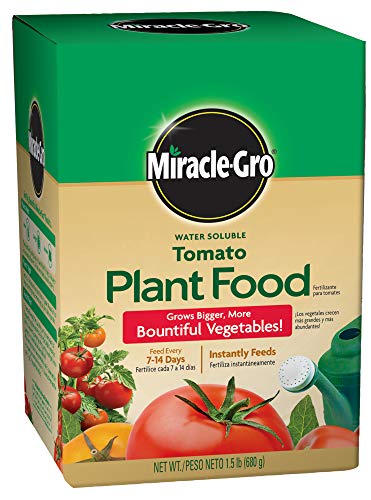
Instantly feeds to grow bigger, more bountiful vegetables versus. unfed plants

Burpee Organic All Purpose Granular Plant Food is formulated for long-lasting results
Preparing the Soil
When using mushroom compost for your tomato plants, start by preparing the soil properly. Ensure that the area where you’ll be planting the tomatoes is well-drained and receives adequate sunlight. Remove any weeds or debris from the soil to provide a clean environment for your plants to thrive. Incorporate the mushroom compost into the soil at a depth of about 6-8 inches to allow proper root growth and nutrient absorption.
Application Techniques and Timing
To effectively apply mushroom compost to your tomato plants, spread a layer of compost around each plant while ensuring it does not come in direct contact with the stems. This helps prevent stem rot and promotes better moisture retention in the soil. Apply a 2-3 inch layer of compost evenly across the planting area, keeping it away from touching the plant itself. It’s best to apply mushroom compost in early spring before planting your tomatoes or as a side dressing during their growing season for continuous nutrient supply.
Comparisons to Other Composts
When considering different compost options for your tomato plants, it’s essential to compare mushroom compost with other organic choices to make an informed decision.
Recommended Products

FOR USE ON: Use Tomato-tone organic fertilizer for all types of tomatoes; both heirloom and hybrid. It Produces plump, abundant tomatoes, not unwanted foliage. Can also be used on all vegetables.

ORGANIC PLANT FOOD: This liquid fertilizer for tomatoes & vegetables provides nutrients to ensure superior results.

Mushroom Compost vs. Other Organic Composts
Mushroom compost stands out from other organic composts due to its unique blend of nutrients that benefit tomato plants. Unlike traditional composts, mushroom compost contains higher levels of nitrogen, phosphorus, and potassium, crucial elements for healthy plant growth and fruit development. These nutrient-rich properties make mushroom compost a favorable choice for enhancing the soil quality in which tomatoes thrive.
In contrast, while other organic composts also offer benefits such as improved soil structure and water retention, they may not provide the same level of essential nutrients as mushroom compost does. When comparing various organic options, consider the specific needs of your tomato plants and how different composts can address those requirements effectively.
Choosing the Right Compost for Your Tomato Plants
Selecting the right compost for your tomato plants is a critical step in ensuring their optimal growth and productivity. When deciding between mushroom compost and other organic alternatives, assess factors like nutrient content, pH levels, salt content, and overall soil enrichment capabilities.
Ensure that the selected compost aligns with the nutritional needs of tomatoes by checking its nitrogen-phosphorus-potassium (NPK) ratio and suitability for promoting robust plant development. Additionally, consider any potential risks associated with certain types of composts, such as high salt concentrations or imbalanced pH levels that could adversely affect tomato growth.
By understanding the differences between mushroom compost and other organic options and evaluating their specific benefits for tomato plants’ health and yield potential, you can make an informed choice that supports your gardening goals effectively.
Conclusion
You now have a better understanding of why tomatoes can benefit from mushroom compost. By recognizing the nutrient-rich qualities of mushroom compost and how it compares to other organic options, you can make informed decisions for your tomato plants. Remember to consider factors like nutrient content, pH levels, and salt content when selecting compost to promote healthy growth. With this knowledge, you’re well-equipped to support your tomatoes’ robust development and enhance their productivity in your garden. Happy gardening!
Frequently Asked Questions
What are the benefits of using mushroom compost for tomatoes?
Mushroom compost is nutrient-rich, providing essential elements like nitrogen, phosphorus, and potassium for optimal plant growth. It also helps improve soil structure and water retention.
How do you properly apply mushroom compost for tomatoes?
Apply a layer of mushroom compost around the base of tomato plants, ensuring it does not touch the stems directly. Water thoroughly after application to help nutrients penetrate the soil.
How does mushroom compost compare to other organic options?
Mushroom compost typically contains higher levels of essential nutrients compared to other organic choices, making it a beneficial option for supporting robust plant growth.
What factors should be considered when choosing compost for tomato plants?
Consider nutrient content, pH levels, and salt content when selecting compost for tomatoes to ensure it meets the specific needs of the plants for healthy growth and productivity.
