

Are your tomato plants looking a bit droopy, despite your best efforts? Picture this: you’ve nurtured your garden with care, only to find your precious tomatoes wilting before your eyes. Don’t worry – you’re not alone in facing this common gardening dilemma. But fret not, as help is at hand.
Key Takeaways
- Understanding Wilting: Recognize signs of wilting early to address the issue promptly.
- Causes of Wilting: Underwatering, overwatering, heat stress, and diseases can lead to wilting in tomato plants.
- Signs and Symptoms: Look for drooping leaves, yellowing/browning leaves, and soft/mushy spots on stems as indicators of wilting.
- Fixing Wilting Plants: Proper watering techniques, soil adjustments, nutrient balance, sunlight management are key to reviving wilting tomato plants.
- Preventative Measures: Establish a watering schedule, use mulch for moisture retention, prune regularly, select disease-resistant varieties based on climate and purpose.
Understanding Wilting in Tomato Plants
When it comes to understanding why your tomato plants are wilting, it’s essential to consider the various factors that could be causing this issue. By recognizing the signs and symptoms of wilting early on, you can take proactive steps to address the problem before it escalates.
Causes of Wilting
Wilting in tomato plants can be attributed to several factors, including:
- Underwatering: If your tomato plants are not receiving an adequate amount of water, they may start to wilt as a way of conserving moisture.
- Overwatering: Conversely, overwatering can lead to root rot, depriving the plant of oxygen and causing wilting despite being in a moist environment.
- Heat Stress: High temperatures can cause excessive transpiration in tomato plants, leading to wilting as the plant struggles to retain enough water.
- Disease or Pests: Fungal diseases or pest infestations can weaken the plant’s structure, resulting in wilting leaves and stems.
Signs and Symptoms
To identify wilting in tomato plants, look out for these common signs and symptoms:
- Drooping leaves that appear limp or lifeless.
- Yellowing or browning of leaves starting from the bottom up.
- Soft or mushy spots on stems indicating possible rot.
By recognizing these indicators early on and understanding the underlying causes of wilting in tomato plants, you’ll be better equipped to implement targeted solutions and revive your garden with healthy, thriving tomatoes.
How to Fix Wilting Tomato Plants
If you’re facing the issue of wilting tomato plants, don’t worry; there are effective solutions to revive them and ensure a healthy garden. Let’s dive into practical steps to address this problem.
Recommended Products

【Adjustable valve】 The flow rate can be controlled. The plant watering Device with control valve can control the dripping speed of 0-62 s/drip, and the sustained drip lasts for 1-12 days, The bigger the bottle of water, the longer they water your plants; Water discharge is approx Only adjust the valve to Meet your needs without complicated setup steps.

Package include: You will receive 4 red tomato watering bags in sufficient quantity, each with a diameter of approximately 10 inches, which are perfect for growing tomatoes, peppers, cucumbers, and other vegetables.

🌱 Adjustable Water Flow Control: Easily regulate the watering speed to meet each plant's specific needs – twist outward for faster flow (up to 30 drops/min), twist inward for slower drip rate (as low as 2 drops/min). Customize the watering for succulents, ferns, herbs, and more.
Proper Watering Techniques
When it comes to watering your tomato plants, consistency is key. Ensure you water deeply but infrequently to encourage strong root growth. A good practice is to water in the morning at the base of the plant, avoiding wetting the foliage which can lead to diseases. Use a soaker hose or drip irrigation system for efficient watering.
Adjusting Soil and Nutrition
Check your soil’s drainage – tomatoes prefer well-draining soil. If your soil retains too much water, consider amending it with organic matter like compost or perlite to improve drainage. Additionally, provide balanced fertilizer rich in nitrogen, phosphorus, and potassium to support healthy growth and combat nutrient deficiencies that can cause wilting.
Sunlight and Shade Management
Tomato plants thrive in sunlight but can suffer from heat stress if exposed to excessive heat. Ensure they receive 6-8 hours of sunlight daily but provide shade during peak afternoon hours if temperatures soar above 90°F (32°C). Use shade cloth or plant taller crops nearby for natural shading without blocking essential sunlight.
By following these tips on proper watering, soil adjustments, and sun exposure management, you can effectively revive your wilting tomato plants and set them on the path to recovery.
Preventative Measures for Healthy Tomato Plants
To ensure your tomato plants remain healthy and vibrant, you need to implement some preventative measures. Here are practical tips to help you maintain the well-being of your tomato plants.
Recommended Products

3-IN-1 PLANT CARE: 3-In-1 Insect, Disease & Plant Mite Control provides insect control, disease control, and plant mite control all in one; Rainproof protection starts in 4 hours and lasts up to 14 days

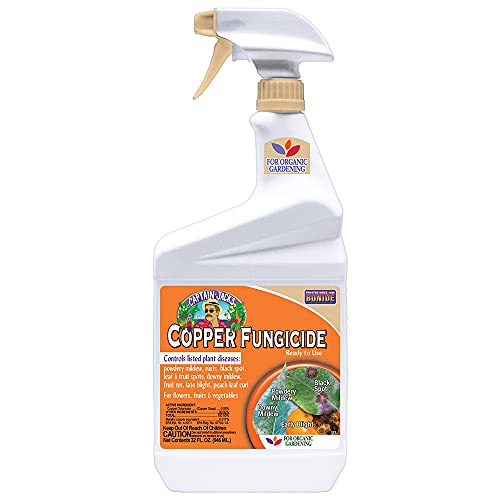
Control fungus and disease in your garden with Captain Jack’s ready-to-use Liquid Copper Fungicide!
Regular Maintenance Tips
- Watering Schedule: Establish a consistent watering routine for your tomato plants. Ensure they receive an adequate amount of water without overwatering, which can lead to wilting.
- Mulching: Apply mulch around the base of your tomato plants to retain moisture in the soil and prevent rapid evaporation under hot conditions.
- Pruning: Regularly prune your tomato plants by removing any yellow or diseased leaves to promote air circulation and reduce the risk of fungal diseases.
- Fertilization: Use a balanced fertilizer suitable for tomatoes to provide essential nutrients for healthy growth.
- Consider Your Climate: Select tomato varieties that are well-suited to your specific climate conditions, whether it’s hot and humid or cool and dry.
- Disease Resistance: Opt for tomato varieties known for their resistance to common diseases like blight or wilt, reducing the likelihood of plant damage.
- Purpose: Determine the purpose of growing tomatoes—whether it’s for fresh consumption, canning, or salads—and choose varieties that align with your intended use.
By following these maintenance tips and selecting appropriate tomato varieties, you can proactively safeguard your plants against wilting issues and promote their overall health and productivity in your garden.
Conclusion
You’ve now gained valuable insights into tackling wilting tomato plants with confidence. By understanding the causes behind wilting, implementing proper care practices like watering adjustments and soil maintenance, and considering preventative measures such as mulching and selecting suitable varieties, you’re well-equipped to nurture healthy tomatoes in your garden. Remember, proactive maintenance is key to ensuring your plants thrive and produce bountiful harvests. With these tips at your disposal, you can enjoy vibrant tomato plants that resist wilting issues and flourish throughout the growing season. Happy gardening!
Frequently Asked Questions
Why are my tomato plants wilting?
Tomato plants can wilt due to underwatering, overwatering, heat stress, diseases, or pests. Ensure proper watering and monitor for signs of stress.
How can I revive wilting tomato plants?
To revive wilting tomato plants, adjust watering practices, improve soil drainage, manage sunlight exposure, and address any underlying disease or pest issues promptly.
What preventative measures can I take to avoid tomato plant wilting?
Prevent tomato plant wilting by establishing a consistent watering schedule, mulching the soil surface, pruning for airflow, fertilizing appropriately, selecting disease-resistant varieties suitable for your climate.
How do I choose the right tomato varieties to prevent wilting issues?
Select tomato varieties based on your climate conditions and intended use (e.g., slicing tomatoes vs. cherry tomatoes). Choose disease-resistant varieties to minimize risks of wilt-related problems.
