

Have you ever stepped into your garden only to find your precious lettuce plants nibbled away? It’s frustrating, especially when you’ve put so much effort into growing them. If you’re wondering whether mice are the culprits behind this garden crime, you’re not alone. Many gardeners face this issue and want to know how to protect their plants.
In this article, you’ll discover whether mice really do munch on lettuce and what you can do to safeguard your garden. Understanding their eating habits can help you take the right steps to keep your plants safe. Let’s explore the relationship between mice and lettuce so you can enjoy a thriving garden without worry.
Key Takeaways
- Mice are omnivorous and are known to nibble on lettuce due to its moisture and crunchiness, especially when other food sources are limited.
- To protect lettuce plants, consider installing physical barriers like fine mesh fencing and lightweight row covers.
- Strong-smelling companion plants, such as mint and lavender, can deter mice from foraging in your garden.
- Regularly inspect your garden for signs of mice, including gnaw marks, droppings, and missing leaves, to identify problems early.
- Encouraging natural predators like birds of prey or using humane traps can be effective strategies for managing mouse populations.
Overview of Mice Feeding Habits
Mice possess varied diets, primarily consisting of grains, seeds, and fruits. They’re omnivorous, meaning they eat both plant and animal matter. When it comes to vegetables, mice often nibble on soft, tender plants.
Lettuce, specifically, is appealing to mice due to its moisture content and crunchiness. You’ll find that some mice species, like house mice, enjoy greens as part of their diet. If lettuce plants are available, they might sample them, especially when other food sources are scarce.
Feeding habits vary by season. In spring and summer, mice forage for fresh greenery. However, in fall and winter, they may resort to stored foods. If urban settings lack sufficient food sources, garden plants become targets.
To prevent lettuce plants from becoming snacks, implement measures such as:
- Fencing: Use wire mesh to create barriers around garden beds.
- Companion Planting: Introduce strong-smelling plants like mint or lavender. Their scent can deter mice.
- Natural Predators: Encourage birds of prey nearby, as they help control mouse populations.
Understanding their feeding habits helps you protect your garden effectively. By recognizing what attracts mice, you can take informed steps to safeguard your plants.
Are Lettuce Plants At Risk?
Lettuce plants face potential risks from mice, particularly due to their appealing moisture content and texture. Understanding these risks and the nature of mice’s feeding habits is vital for effective protection.
Recommended Products
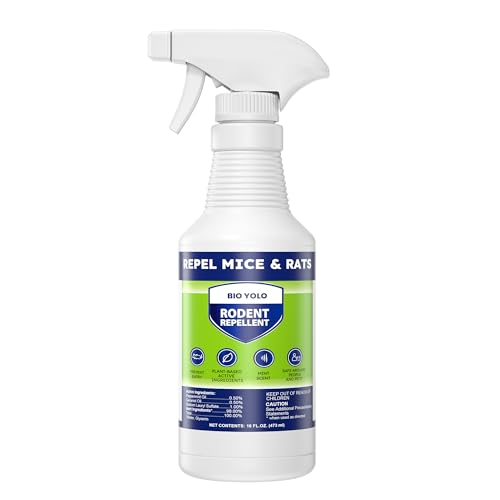
Safe for People and Pets: Formulated with natural ingredients for use around children and pets when used as directed, providing a solution without harsh chemicals

STOPS DAMAGE FAST – Contains powerful ingredients that prevent squirrels from chewing & gnawing on wires, plants, outdoor furniture, and more

PROVEN RESULTS – Tested and proven to stop squirrels and chipmunks from digging without using harmful chemicals and dangerous poisons.
Nutritional Value of Lettuce
Lettuce offers low calories and high water content. This makes it a favorite among mice looking for hydration and nutrition. The crunchy texture and tender leaves provide a source of vitamins A, C, and K. These nutrients attract not only mice but also other pests. When considering garden safety, note that highly nutritious plants often draw more wildlife.
Comparisons with Other Vegetables
Compared to other vegetables, lettuce has different appeal factors. Here’s how it stacks up:
- Carrots: Mice prefer the sweetness of carrots but often find lettuce easier to nibble on.
- Cabbage: Cabbage has similar moisture content, making it another target for hungry mice.
- Spinach: Spinach’s softer leaves may attract mice even more than lettuce.
You can see that while many vegetables attract mice, lettuce’s softness and water content increase its allure. For gardeners, using this information can help in choosing which plants to protect and how to implement preventive measures effectively.
Signs of Mice in Your Garden
Identifying signs of mice helps you take action before significant damage occurs. Look for these common indicators.
Recommended Products
![Humane Mouse Trap Reusable! [2-Pack] - Catch and Release No-Kill Rodent Traps for Indoors & Outdoors - Safe for Children & Pets - Reusable Mouse Catcher for Kitchen, Pantry & Garage Blinc (Blue)](https://m.media-amazon.com/images/I/51Ir1n3UVAL._SL500_.jpg)
100% HUMANE & STRESS-FREE: Eliminate your rodent problem without the guilt. Our smart-trap design captures mice alive and unharmed, featuring extra ventilation holes to ensure the "little guy" stays comfortable until you release him back into the wild.

HUMANE LIVE-CATCH DESIGN: Catch rats and mice without harming them. The non-lethal design allows you to capture rodents alive so they can be released away from your home, offering a humane alternative to traditional snap traps.

WORRY-FREE CATCH & RELEASE - Mouse friendly live mouse traps, designed to catch mice in a stress and cruelty free way. With extra air holes and plenty of space, these ethical mouse traps provide a comfortable space & a compassionate solution.
Damage Indicators
- Gnaw Marks: Inspect plants for bite marks, especially on tender leaves. Mice often leave notched edges where they munch.
- Holes in Soil: Notice small holes in the ground around your garden. These holes serve as entry points for mice seeking food.
- Droppings: Look for small, dark droppings near plants or garden pathways. Finding droppings signals active mice in the area.
- Nibbled Vegetation: Check for unevenly eaten plants or missing leaves. This suggests mice have been feasting on your crops.
- Nest Material: Spot signs of nesting, such as shredded leaves or grass. Mice may use these materials to create cozy homes nearby.
- Fencing: Install a solid barrier around your garden. Choose fine mesh or hardware cloth to deter entry.
- Companion Planting: Plant herbs like mint or lavender that repel mice. Their strong scents can keep mice at bay.
- Natural Predators: Encourage birds of prey or barn cats to visit your garden. Their presence helps control mouse populations.
- Cleanliness: Keep your garden tidy. Remove debris, fallen fruit, or other attractions that might lure mice.
- Traps: Use humane traps if you notice a significant mouse presence. Relocate captured mice far from your garden to prevent return.
By recognizing the signs of mice and implementing these strategies, you can protect your lettuce and other plants effectively.
How to Protect Lettuce Plants from Mice
Protecting your lettuce plants from mice requires a variety of effective strategies. These methods will help maintain your garden’s health while keeping these pests at bay.
Recommended Products

❶ EXACT SIZE — 4" X 10FT ROLL,NOT A FULL-SIZE SHEET A 4-inch-wide, 10-foot-long narrow strip for gaps, vents and fence bases — not a full sheet you'll never finish. Also in 8、12 and 16-inch widths for full-coverage fencing.

❶ EASY TO CUT & INSTALL — NO SPECIAL TOOLS: This hardware cloth trims easily with household scissors or tin snips. Shape it to any project — no fraying, no unraveling. Wear gloves when cutting;fresh-cut steel edges are sharp.

✅ High-Quality Durable Material – Crafted from premium 500gsm ABS plastic particles, our pet fence net offers exceptional durability, wear resistance, and high-temperature tolerance. Lightweight and corrosion-resistant, it ensures long-term reliability while maintaining flexibility for various uses.
Physical Barriers
- Fencing: Install a fence around your garden. Use a mesh material with small holes, ideally no larger than ¼ inch. This prevents mice from squeezing through.
- Row Covers: Use lightweight fabric row covers over lettuce plants. They allow sunlight and rain through while creating a barrier against hungry mice.
- Baskets or Cages: Place individual plants in wire baskets or cages. This shields them from any mice looking for a snack while allowing for air circulation.
- Strong Scents: Use natural repellents like peppermint oil. Soak cotton balls in the oil and place them around your garden. Mice dislike strong scents, which can deter them from your plants.
- Herbs: Incorporate strong-smelling herbs alongside your lettuce. Planting mint, sage, or rosemary can deter mice due to their aromatic properties.
- Predatory Animals: Encourage the presence of natural predators, such as cats or owls, in your garden. You can do this by adding a nesting box for owls or creating a safe space for cats to roam.
Implementing these protective measures can significantly reduce the likelihood of mice damaging your lettuce plants. Stay vigilant and act quickly to ensure a healthy harvest.
Conclusion
Keeping your lettuce plants safe from mice can be a challenge but it’s definitely manageable. By implementing a few protective measures you can enjoy a thriving garden without the worry of these little nibblers.
Using barriers like fences and row covers along with companion planting can make a big difference. Plus attracting natural predators adds an extra layer of protection. With these strategies in place you can cultivate healthy lettuce and enjoy the fruits of your labor. Happy gardening!
Frequently Asked Questions
What do mice prefer to eat?
Mice primarily prefer soft, vitamin-rich plants, with lettuce being a favorite. They are also attracted to grains, seeds, and fruits. Providing a diverse diet can help keep them satisfied but may also encourage them to invade gardens.
How do mice affect lettuce plants?
Mice can cause significant damage to lettuce plants by nibbling on leaves and stems, resulting in reduced yields. They may also introduce diseases to crops, leading to further complications in maintaining healthy plants.
What protective measures can I use for my lettuce?
To protect your lettuce, you can use physical barriers like fences, row covers, and wire baskets. Additionally, planting herbs such as mint can deter mice, and employing strong scents like peppermint oil can also help keep them away.
How can companion planting help deter mice?
Companion planting with certain herbs, like mint, can help repel mice due to their strong scents. This method not only protects your lettuce but also enhances biodiversity in your garden, creating a more balanced ecosystem.
Are there any natural predators that can help deter mice?
Yes, encouraging natural predators like cats and owls in your garden can effectively deter mice. These animals hunt and reduce the mouse population, helping to protect your lettuce and other plants from damage.
