

Have you ever wondered why your tomato plants seem to be disappearing overnight? Imagine stepping into your garden one morning, only to find your prized tomato plants stripped bare. The culprit? It might just be those seemingly harmless grasshoppers hopping around.
In this article, we’ll explore the age-old question: do grasshoppers eat tomato plants? You’ll discover the truth behind these voracious insects and learn practical tips on how to protect your beloved tomatoes from becoming a feast for these leaf-munching creatures. Stay tuned to uncover simple yet effective strategies to safeguard your garden’s green treasures.
Key Takeaways
- Grasshoppers do eat tomato plants, especially when preferred food sources are scarce.
- Factors like food availability, plant characteristics, seasonal variation, and population density influence grasshoppers’ dietary choices.
- Grasshoppers can cause physical damage to tomato plants by feeding on leaves, stems, and fruits.
- Long-term effects of grasshopper infestations include plant weakening and increased susceptibility to diseases.
- Prevention techniques like crop rotation, clean garden practices, barriers, and companion planting can help manage grasshopper infestations.
- Natural control methods such as beneficial insects and neem oil, along with diatomaceous earth as a physical barrier, can effectively deter grasshoppers from damaging tomato plants.
Understanding Grasshoppers’ Diet
Grasshoppers are known to have a diverse diet, encompassing various plant species. When it comes to tomato plants, these voracious insects do feed on them, especially in the absence of preferred food sources. Understanding the factors that influence grasshoppers’ dietary choices can help you protect your garden from potential damage.
Do Grasshoppers Eat Tomato Plants?
Yes, grasshoppers do eat tomato plants. While they may not target tomatoes as their first choice, when other food options are scarce or during certain stages of growth when tomatoes are more vulnerable, grasshoppers will consume tomato leaves and stems. It’s essential to be vigilant and take proactive measures to safeguard your tomato plants from these hungry pests.
- Availability of Food: Grasshoppers primarily feed on green vegetation. If their preferred plants are limited or unavailable, they will resort to consuming a wider range of vegetation, including tomato plants.
- Plant Characteristics: Grasshoppers tend to avoid toxic or hairy plants due to their defense mechanisms. However, young and tender tomato plants may be more appealing to them.
- Seasonal Variation: During dry seasons or periods of drought when food sources are scarce, grasshoppers might turn to feeding on a broader spectrum of plants, including tomato crops.
- Population Density: High populations of grasshoppers can lead to increased competition for food resources, potentially driving them towards consuming less favored plant species like tomatoes.
Understanding these factors can aid in implementing effective strategies to deter grasshoppers from targeting your precious tomato plants and maintaining a thriving garden environment.
Impact of Grasshoppers on Tomato Plants
When grasshoppers invade your garden, they can wreak havoc on your precious tomato plants. Let’s explore the detrimental effects these pests have on your tomatoes.
Recommended Products

KILLS LISTED INSECTS ON CONTACT: Tomato & Vegetable Insect Killer kills aphids, Japanese Beetles, cutworms, and other listed pests

Plant insecticide to protect your roses and edibles from listed damaging pests

Plant insecticide to protect your roses and edibles from listed damaging pests
Physical Damage to Tomato Plants
Grasshoppers are voracious eaters and can cause significant physical damage to tomato plants. They feed on the leaves, stems, and even the fruits of your plants. This feeding behavior results in holes in the leaves, defoliation, and sometimes complete destruction of young seedlings. As a result, your tomato plants may struggle to photosynthesize effectively, impacting their overall growth and productivity.
Long-Term Effects on Plant Health
The long-term effects of grasshopper infestations go beyond just physical damage. When left unchecked, these pests can weaken tomato plants over time. Continuous feeding by grasshoppers can stress the plants, making them more susceptible to diseases and other environmental stressors. Weakened plants are also less likely to produce a bountiful harvest of ripe tomatoes for you to enjoy.
By understanding how grasshoppers impact your tomato plants, you can take proactive steps to protect them from these destructive insects. Stay vigilant in monitoring your garden for signs of grasshopper activity and consider implementing natural deterrents or barriers to keep them at bay. With proper care and attention, you can safeguard your tomato plants and ensure a thriving garden for seasons to come.
Managing Grasshopper Infestations in Gardens
If you’re dealing with grasshoppers munching on your tomato plants, here are some effective strategies to help you manage these pests and protect your garden.
Recommended Products

Defend Against Unwanted Visitors: Gardening is a rewarding and fulfilling endeavor, and you'll watch your plants grow from nothing to maturity before you finally harvest them. Once the plants begin to flower and bear fruit, these unwelcome visitors visit your garden and often leave a trail of destruction. Garden netting is the best choice for protecting your plants
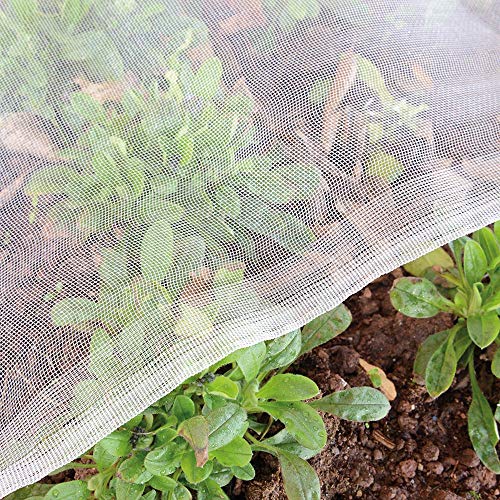
🥬Effective Bug Barrier: Protecting plants and vegetables from a wide range of pest insects and animals, such as cicadas, carrot fly and many species of aphids, you will get a healthier and happier garden
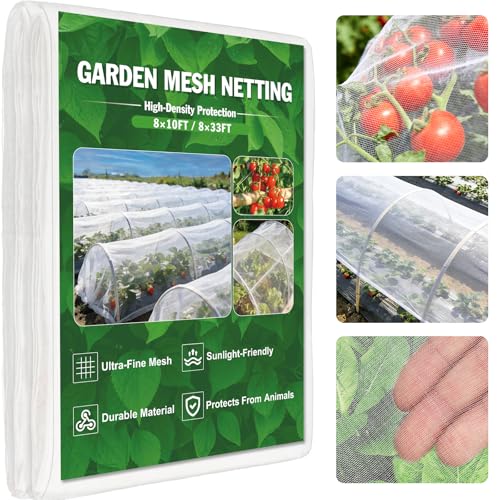
【Upgraded Fine Mesh Netting】This fine mesh garden netting uses 0.7*0.8mm high-density garden insect netting to block, birds, and small animals, offering reliable plant protection netting for vegetables and flowers
Prevention Techniques
To prevent grasshopper infestations in your garden, consider implementing the following techniques:
- Crop Rotation: Rotate your crops regularly to disrupt grasshoppers’ feeding patterns.
- Clean Garden Practices: Keep your garden clean by removing debris that can serve as hiding spots for grasshoppers.
- Barriers: Use physical barriers like row covers or netting to protect tomato plants from grasshopper damage.
- Companion Planting: Plant herbs like cilantro or flowers such as marigolds around your tomatoes to deter grasshoppers.
Natural and Chemical Control Methods
When it comes to controlling grasshoppers in your garden, you have both natural and chemical options available:
- Beneficial Insects: Introduce predatory insects like ladybugs or praying mantises that feed on grasshoppers.
- Neem Oil: Use neem oil, a natural insecticide, to repel and control grasshoppers without harming beneficial insects.
- Diatomaceous Earth: Sprinkle food-grade diatomaceous earth around tomato plants to create a barrier that damages the exoskeleton of grasshoppers.
By incorporating these prevention techniques and control methods into your gardening routine, you can effectively manage grasshopper infestations and safeguard your tomato plants.
Conclusion
Now you have a better understanding of how grasshoppers can impact your tomato plants. Remember to stay vigilant, implement protective measures, and provide proper care to keep your garden thriving. By following the strategies outlined in this article, you can effectively manage grasshopper infestations and safeguard the health of your beloved tomato plants. Happy gardening!
Frequently Asked Questions
What do grasshoppers eat?
Grasshoppers primarily feed on plant material, including leaves, stems, flowers, and fruits. They have a preference for certain plants like tomatoes but can consume a wide range of vegetation depending on availability and their nutritional needs.
How do grasshoppers damage tomato plants?
Grasshoppers cause damage to tomato plants by feeding on the foliage, creating holes in leaves, and defoliating the plant. This not only affects the plant’s appearance but also weakens it over time, leading to reduced growth and productivity.
How can I protect my tomato plants from grasshopper infestations?
To protect your tomato plants from grasshopper damage, you can implement preventive measures such as crop rotation, maintaining a clean garden environment to remove hiding spots for grasshoppers, using barriers like row covers or netting, and practicing companion planting with deterrent plants.
What are some natural control methods for managing grasshopper populations in gardens?
Natural control methods for managing grasshopper populations include introducing beneficial insects that prey on grasshoppers, applying neem oil which disrupts their feeding habits and life cycle, and using diatomaceous earth which dehydrates and kills them upon contact. These methods are environmentally friendly alternatives to chemical pesticides.
