

Ever wondered if your carrots are getting the right amount of sunlight? Are you struggling to figure out whether they thrive in the sun or prefer a bit of shade? Picture this: you’ve planted your carrot seeds with care, but now you’re unsure about their sunlight needs. Don’t worry, you’re not alone in this dilemma.
In this article, you’ll uncover the mystery surrounding whether carrots need sun or shade to flourish. By the end, you’ll be equipped with the knowledge to ensure your carrots grow strong and vibrant. Stay tuned to discover the key to nurturing your carrots to their full potential.
Understanding Carrot Sunlight Requirements
When it comes to carrot sunlight requirements, it’s essential to strike a balance. Here’s what you need to know:
- Carrots thrive in full sun. They need at least 6 to 8 hours of sunlight daily for optimal growth.
- Without enough sunlight, carrots may not develop their vivid color and could end up with a bitter taste.
- If you live in a region with intense heat, consider providing partial shade during the hottest part of the day to prevent wilting.
Recommended Products

What You Will Receive: You will receive 1 x car windshield sunshade with leaf printed, it is an ideal accessory in hot weather, you can also share it with your friends

1. Large Universal Fit — Adjusts to Your Vehicle Designed in a generous 63" × 28.5" size with a flexible overlapping center panel that expands or folds to match the shape of your windshield. From compact sedans to full-size SUVs and trucks, this shade adjusts for a clean, secure fit.
Benefits of Sunlight for Carrots
When it comes to growing vibrant and flavorful carrots, sunlight plays a crucial role. Here’s why:
- Nutrient Production: Carrots undergo photosynthesis, converting sunlight into energy to produce essential nutrients for growth.
- Color and Flavor Development: Carrots need sunlight to develop their characteristic vibrant color and delicious taste.
- Root Development: Adequate sunlight promotes strong root growth, resulting in healthy, robust carrots.
- Preventing Diseases: Sunlight helps prevent moisture-related diseases by promoting airflow and reducing humidity around the plants.
- Optimal Growth: Carrots require 6 to 8 hours of sunlight daily to thrive and reach their full potential. Remember to position them in a sunny spot for best results.
Incorporating these benefits of sunlight into your carrot-growing routine will set the stage for a bountiful harvest.
Effects of Shade on Carrot Growth
Planting carrots in shady areas can significantly impact their growth and development. Here’s what you need to know about the effects of shade on carrot growth:
- Limited Photosynthesis: Carrots grown in shady environments may struggle with limited sunlight, hindering their ability to carry out photosynthesis effectively.
- Reduced Nutrient Production: Shade can lead to reduced nutrient production within the carrots, affecting their overall health and quality.
- Slower Growth: Carrots growing in shade often exhibit slower growth rates compared to those in well-lit areas.
- Thinner Roots: The roots of shaded carrots may end up being thinner and less robust than those grown in adequately sunny spots.
- Increased Risk of Disease: Shade can create a conducive environment for disease development in carrots, making them more susceptible to infections.
Recommended Products

14,000 QUALITY SEEDS: Loaded with 14,000 fresh, wildflower seeds specially selected to thrive in areas with limited sunlight.

HEIRLOOM BABY CARROT VARIETY - Little Finger carrots are small but mighty, producing sweet, crisp roots just 3–4 inches long that are perfect for fresh snacking or gourmet meals
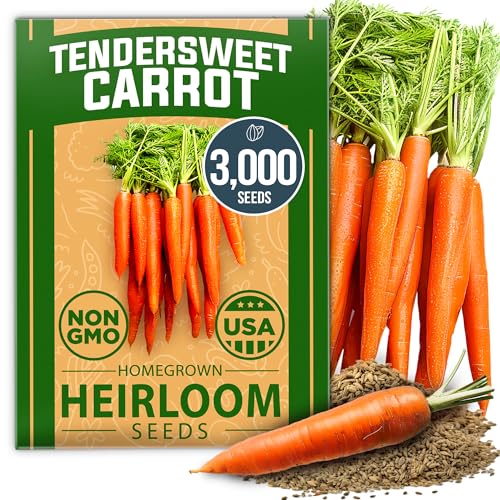
Premium Tendersweet Carrot Seeds: Authentic Open-Pollinated Premium Heirloom Seeds (USA) Non-GMO, Untreated, High Germination Rate. Phenomenal dessert Brix profile. High-impact carotene energy. An outstanding orange monolith for open ground, high ridges, and patio containers. Your garden bed is your pride.
Finding the Right Balance
When growing carrots, finding the right balance between sunlight and shade is key. Here’s how to do it:
- Carrots thrive in full sunlight.
- Shade for part of the day can be beneficial.
- Keep in mind that excessive shade can stunt growth.
Tips for Optimal Growth
To ensure your carrots get the perfect amount of sun and shade:
- Place your carrot patch in a sunny spot.
- Observe how much sunlight the area gets.
- Adjust if needed by trimming nearby branches or moving to a sunnier location.
Remember: A little shade can be good, but too much can hinder your carrot crop’s development.
Conclusion
Finding the right balance of sunlight and shade for your carrot patch is crucial for optimal growth. While carrots love the sun, a bit of shade can actually be beneficial. Remember to place your carrot patch in a sunny spot, keep an eye on sunlight exposure, and make adjustments as needed. Trimming nearby branches or relocating to a sunnier location can help maintain the perfect balance. Just keep in mind that too much shade can hinder your carrot crop’s growth. By understanding the importance of sunlight and shade, you can ensure your carrots thrive and produce a bountiful harvest.
Frequently Asked Questions
Should carrots be grown in full sunlight?
Carrots thrive in full sunlight, but some shade during the day can be beneficial for optimal growth.
How can I ensure my carrot patch gets enough sunlight?
Place your carrot patch in a sunny spot and monitor the sunlight exposure regularly.
What should I do if my carrots are not getting enough sunlight?
Consider trimming nearby branches or relocating the carrot patch to a sunnier location if necessary.
Can excessive shade impact the growth of carrot crops?
Yes, excessive shade can stunt the growth of carrot crops, so it’s important to find the right balance between sunlight and shade.
