

Ever wondered if your method of storing carrots affects their nutrient content? Have you ever found yourself uncertain about whether to store them in water or not? Picture this: you buy fresh, vibrant carrots with the intention of keeping them as nutritious as possible, but you’re unsure if your storage method is doing more harm than good. In this article, you’ll uncover the truth about whether carrots lose nutrients when stored in water.
Imagine the convenience of having your carrots prepped and ready to use straight from the fridge. However, the question remains – are you sacrificing their nutritional value by opting for this storage method? Discover the answer and learn how to maintain the optimal nutrient levels in your carrots. By the end of this article, you’ll have a clear understanding of how to store your carrots to preserve their nutrients effectively.
The Nutrient Content of Carrots
To understand whether storing carrots in water affects their nutrient content, it’s crucial to consider factors that can impact the vitamins and minerals they provide. Carrots are rich in essential nutrients such as vitamin A, vitamin K, and potassium, which play vital roles in maintaining overall health.
Here’s a breakdown of the key nutrients found in carrots:
| Nutrient | Amount per 100g |
|---|---|
| Vitamin A | 16706 IU |
| Vitamin K | 13.2 mcg |
| Potassium | 320 mg |
Proper storage is essential to preserve these nutrients effectively. When carrots are stored in water, there is a risk of nutrient loss due to leaching. Nutrients like vitamin C and certain B vitamins are water-soluble and can be lost if exposed to water for extended periods.
To maintain the optimal nutrient levels in carrots, consider the following tips:
- Store carrots in a cool, dark place to preserve their nutrients.
- Wrap them in a paper towel and place them in a perforated bag in the fridge.
- Keep carrots away from ethylene-producing fruits to avoid accelerated spoilage.
Understanding the impact of storage methods on carrot nutrient content is vital for maximizing their health benefits. By adopting proper storage practices, you can ensure that your carrots retain their essential vitamins and minerals.
Effects of Storing Carrots in Water
Storing carrots in water can lead to nutrient loss due to leaching. When submerged, essential vitamins and minerals dissolve into the water, diminishing the carrot’s nutritional value. It’s important to note that this mainly affects water-soluble nutrients.
To minimize nutrient loss, avoid storing carrots in water for extended periods. Instead, opt for dry storage methods to preserve their nutritional content. By doing so, you ensure that you reap the full benefits of these vibrant veggies.
Remember, proper storage is key to maintaining the nutrient density of your carrots. Make sure to store them in a cool, dark place to prevent degradation. Following these guidelines will help you make the most of your carrot’s nutritional value.
Recommended Products
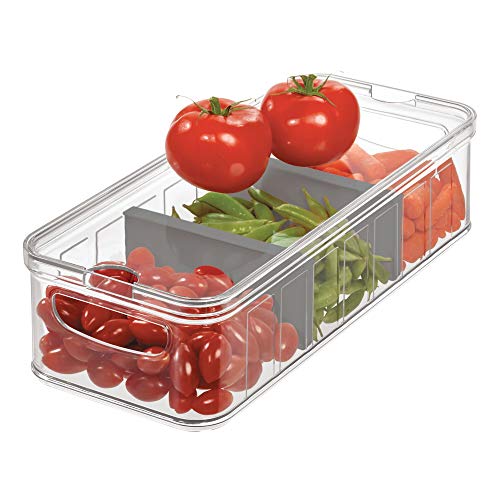
PRODUCE SAVER CONTAINERS FOR REFRIGERATOR - Keep your produce crisp with the iDesign Large Divided Produce Storage Container; great for meal prepping, large food storage containers help keep small fruits and vegetables fresh while maximizing fridge storage

Contains (1) ProKeeper Produce Keeper, 3-Quart with Stay Fresh Vent

KEEP PRODUCE FRESHER LONGER: Rubbermaid FreshWorks Produce Saver uses FreshVent technology to regulate airflow, so your produce stays fresher longer.
How Nutrients are Lost in Water
When storing carrots in water, nutrients can be lost through a process known as leaching. This occurs when water-soluble vitamins and minerals seep out of the carrots and into the surrounding water.
Leaching is more prevalent in water-stored carrots because the water acts as a medium for nutrient loss, particularly for Vitamin C and B vitamins. These essential nutrients are susceptible to degradation when in contact with water for extended periods.
To maintain the nutritional integrity of your carrots, it’s important to understand how leaching occurs in water storage. By being mindful of this process, you can take steps to preserve the nutrient content of your carrots and ensure you are getting the full health benefits they offer.
Best Practices for Storing Carrots
When storing carrots, follow these tips to minimize nutrient loss and keep them fresh for longer:
- Store in the fridge: Place carrots in a perforated plastic bag in the crisper drawer of your refrigerator to maintain freshness.
- Remove carrot tops: Cut off the green tops before storing as they draw out moisture and nutrients from the carrots.
- Do not wash: Avoid washing carrots before storing, as moisture promotes spoilage.
- Use airtight containers: If storing cut carrots, place them in an airtight container to prevent dehydration.
- Check regularly: Inspect stored carrots periodically and remove any that show signs of spoilage to prevent spread.
- Opt for whole carrots: Whole carrots maintain their nutrients better than pre-cut or pre-peeled ones.
Carrots can stay fresh for 2-4 weeks when stored correctly, preserving their nutritional value for consumption.
| Freshness Tips | Duration |
|---|---|
| Store in the fridge | 2-4 weeks |
| Remove carrot tops | – |
| Do not wash before storing | – |
| Use airtight containers | – |
| Check regularly | – |
| Opt for whole carrots | – |
Conclusion
Keep your carrots fresh and full of nutrients by following these simple storage tips. Storing them in the fridge, removing the tops, and avoiding washing before storage can help preserve their freshness for up to 4 weeks. By opting for whole carrots and checking for spoilage regularly, you ensure that you’re getting the most out of your carrots in terms of both taste and nutrition. Remember, a little care in storage goes a long way in maintaining the quality of your produce. Enjoy your carrots knowing that you’ve taken the right steps to keep them at their best.
Frequently Asked Questions
How should I store carrots to keep them fresh?
To keep carrots fresh, store them in the fridge in a perforated plastic bag to maintain moisture levels.
Should I remove the tops of carrots before storing?
Yes, removing carrot tops is recommended to prevent moisture loss and prolong freshness.
Is it necessary to wash carrots before storing them?
Avoid washing carrots before storage, as excess moisture can lead to spoilage.
How should I store cut carrots?
For cut carrots, use airtight containers to maintain freshness and prevent them from drying out.
How often should I check for spoilage in stored carrots?
Regularly check stored carrots for any signs of spoilage to ensure you consume fresh produce.
Are whole carrots or pre-cut carrots better for storage?
Opt for whole carrots over pre-cut ones, as they tend to stay fresh longer when stored properly.
