

Have you ever wondered if you can plant peppers next to lettuce in your garden? You’re not alone! Many gardeners face the challenge of deciding which plants can coexist peacefully. With limited space, it’s essential to make the right choices to ensure your garden thrives.
Key Takeaways
- Companion Planting Benefits: Understanding companion planting can enhance growth, improve pest control, and enrich soil health by strategically placing plants together that support each other.
- Compatibility Considerations: Peppers and lettuce can coexist, but careful attention must be paid to spacing, sunlight needs, and moisture levels to ensure both thrive.
- Growth Rates and Harvest Timing: Peppers and lettuce benefit from staggered growth rates, allowing for early lettuce harvest while waiting for peppers, optimizing garden productivity.
- Potential Challenges: Space and nutrient competition are concerns when planting peppers and lettuce together; ensure adequate spacing and monitor soil health to prevent deprivation.
- Best Practices: Utilize strategic planting techniques, such as appropriate spacing, layering, and monitoring moisture, to create a productive environment for both peppers and lettuce.
- Pest Management: The aroma of peppers can help deter harmful pests affecting lettuce, making this combination beneficial for organic pest control.
Understanding Companion Planting
Companion planting involves strategically placing different plants together for mutual benefits. By understanding these relationships, you can enhance growth, repel pests, and improve overall health of your garden.
Benefits of Companion Planting
- Pest Control: Some plants repel harmful insects. For example, marigolds deter aphids and nematodes, which can benefit nearby plants like peppers and lettuce.
- Pollinator Attraction: Certain flowers attract beneficial insects. For instance, planting basil near peppers can attract bees, improving pollination.
- Soil Improvement: Legumes, such as beans, fix nitrogen in the soil. This nutrient bolsters the growth of neighboring plants like lettuce.
Peppers and Lettuce Compatibility
Planting peppers next to lettuce offers both benefits and challenges. While they can coexist, consider the following:
- Growth Considerations: Peppers require more sunlight and space compared to lettuce. Ensure lettuce receives enough light by spacing them correctly.
- Water Needs: Lettuce prefers consistent moisture, while peppers need well-drained soil. Adjust watering practices to accommodate both needs.
- Shade Effects: Taller pepper plants may shade lettuce. Monitor their growth to prevent lettuce from getting too little sunlight.
- Plan Layout: Use garden beds to create distinct zones. Place taller pepper plants on the north side to avoid shading lettuce.
- Interplant: Mix plants closely. For instance, grow lettuce in rows between peppers to optimize space while benefiting from their companionship.
- Monitor Growth: Keep an eye on plants. Adjust watering and spacing as needed to ensure both peppers and lettuce thrive.
By understanding companion planting, you can create a productive garden where peppers and lettuce support each other’s growth.
Benefits of Planting Peppers and Lettuce Together
Planting peppers and lettuce together offers several advantages that enhance your garden’s efficiency and health. Below, explore the specific benefits of this companion planting strategy.
Recommended Products

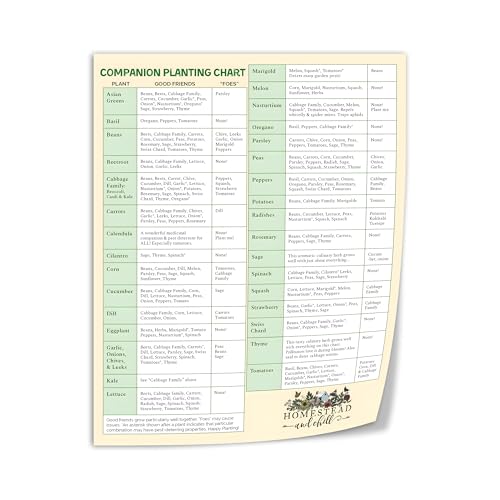
COMPREHENSIVE GUIDE: Features a detailed companion planting chart showing compatible and incompatible plant combinations for optimal garden planning and pest control

Improving Growth Rates
Planting peppers alongside lettuce can improve overall growth rates. Peppers thrive in warmer temperatures, while lettuce prefers cooler conditions. This difference allows each plant to utilize the garden space effectively. You benefit from staggered harvests; peppers take longer to mature than lettuce, so you can enjoy a fresh lettuce harvest early in the season while waiting for your peppers to develop. Use this timing to maximize your harvests.
Pest Control Advantages
Planting peppers next to lettuce helps with natural pest control. The strong scent of peppers can deter pests like aphids and spider mites that affect lettuce. Additionally, certain varieties of peppers produce compounds that repel these harmful insects. Consider using companion plants strategically to create a pest-resistant barrier. This practice reduces the need for chemical pesticides, keeping your garden healthy and organic.
Adopting these practices enhances growth rates and pest resistance, creating a thriving garden ecosystem.
Potential Drawbacks of Mixing Peppers and Lettuce
Planting peppers next to lettuce can lead to some challenges. It’s essential to consider a few potential drawbacks before deciding on your garden layout.
Recommended Products

🌳 PROFESSIONALLY MIXED IN THE USA - Each bag is hand blended on our small family farm with premium horticultural grade ingredients: Coco Coir, Canadian Peat Moss, Perlite, Worm Castings- 1 QUART BAG


When sowing, place the seeds shallowly in loose, well-draining soil, spacing them about 1 inch apart. Keep the soil consistently moist until germination.
Space Considerations
Space plays a crucial role when planting peppers and lettuce together. Peppers typically require more room as they grow larger and bushier, which can overshadow the more delicate lettuce. If peppers take up too much space, lettuce may struggle to get enough sunlight and air circulation, hindering its growth. To minimize this issue, plant peppers at the end of rows or in dedicated areas to prevent them from shading the lettuce.
Nutrient Competition
Nutrient competition also poses concerns. Both peppers and lettuce draw nutrients from the soil, particularly nitrogen, which is vital for healthy leaf growth in lettuce. If planted too closely, peppers may absorb most of the available nutrients, leaving lettuce deprived. This can result in stunted growth and reduced leaf quality. Consider using organic fertilizers or soil amendments to enhance soil health, ensuring both plants receive adequate nutrients. Additionally, regular soil testing can help you monitor nutrient levels, allowing you to adjust your gardening strategies as needed.
Best Practices for Planting Peppers Next to Lettuce
Planting peppers next to lettuce can yield beneficial results when you follow best practices. Consider techniques and maintenance that optimize growth and health for both plants.
Recommended Products

Slowly waters the soil around your plants for complete root zone hydration; Ideal for short runs on flat surfaces, such as vegetable gardens, borders, and around small plants

【Even & Consistent Root Watering】Features micro-pore seepage technology that distributes water evenly along the entire hose, transforming spot watering into uniform line watering directly to plant roots. Unlike traditional drip irrigation systems with clog-prone emitters, this soaker hose creates a continuous moisture band for healthier, deeper-rooted plants

Higher Cost Performance Provide: enough length soaker hoses to get higher cost performance,and our 1/4 " diameter soaker hose set not only include 100 Ft length soaker hose but also include a rich range of accessories for a variety of uses,help you make custom length soaker hoses cheap & easy.
Planting Techniques
- Space Appropriately: Give lettuce enough space to thrive. Plant peppers at least 12-18 inches apart from lettuce to reduce shading effects. This spacing also allows for air circulation.
- Layer Strategically: Arrange taller pepper plants on the northern side of your garden plot. This positioning prevents them from blocking sunlight to lettuce, which prefers full sun.
- Use Companion Methods: Interplant lettuce seedlings around established pepper plants. Lettuce can benefit from the shade of mature peppers in hotter weather, helping to prevent bolting.
- Consider Soil Quality: Use well-draining soil enriched with organic matter. Peppers thrive in rich soil, while lettuce prefers slightly less nutrient-dense conditions.
- Water Wisely: Monitor moisture levels. Peppers enjoy moderate watering, while lettuce prefers consistent moisture. Use drip irrigation or a soaker hose to provide targeted watering without wetting the foliage.
- Fertilize Effectively: Apply a balanced fertilizer at planting. Opt for a nitrogen-rich fertilizer for lettuce, and use a lower nitrogen formulation for peppers. This technique reduces nutrient competition.
- Mulch for Moisture and Weed Control: Spread a layer of organic mulch around both plants. Mulch retains moisture and suppresses weeds, benefiting both peppers and lettuce.
- Watch for Pests: Check regularly for common pests like aphids or caterpillars. Use organic insecticidal soap as a preventive measure to protect both vegetable types.
By implementing these best practices, you’ll create a conducive planting environment that fosters growth and minimizes challenges when growing peppers next to lettuce.
Conclusion
Planting peppers next to lettuce can be a rewarding experience if you approach it thoughtfully. By understanding their growth needs and how they interact with each other you can create a thriving garden space. With proper planning and care you can enjoy the benefits of companion planting while minimizing potential challenges.
Remember to keep an eye on spacing and sunlight to ensure both plants flourish. Regular monitoring of soil quality and moisture will also help in keeping your garden healthy. Embrace the process and enjoy the journey of growing these delicious plants side by side. Happy gardening!
Frequently Asked Questions
Can peppers and lettuce be planted together?
Yes, peppers and lettuce can be planted together. They have different growth requirements, allowing them to coexist. However, careful planning is necessary to avoid shading and nutrient competition.
What are the benefits of companion planting?
Companion planting offers several benefits, including pest control, improved growth rates, and enhanced soil quality. It can also attract beneficial pollinators and help create a healthier garden environment.
How should I plant peppers and lettuce together?
To plant peppers and lettuce together, space peppers 12-18 inches apart to minimize shading. Position taller pepper plants on the north side of the garden and interplant lettuce seedlings around them for optimal growth.
What are the challenges of planting peppers and lettuce?
Challenges include potential shading from taller peppers and nutrient competition for nitrogen. To mitigate these issues, monitor growth, adjust spacing, and use appropriate fertilization strategies.
How can I ensure healthy growth for both plants?
Use well-draining soil enriched with organic matter and ensure proper watering techniques. Regular soil testing and applying the right fertilizers can help meet the differing nutrient needs of both plants.
