

Have you ever wondered if you can still grow fresh lettuce as summer winds down? Many gardeners face the challenge of timing their plantings, especially in September when temperatures start to drop. You might be looking for a way to extend your harvest or simply enjoy crisp salads into the fall.
This article will guide you through the ins and outs of planting lettuce in September. You’ll discover the types of lettuce that thrive in cooler weather and helpful tips to ensure a successful crop. By the end, you’ll feel confident about your fall gardening efforts and ready to enjoy fresh greens right from your backyard.
Key Takeaways
- Cool-Season Varieties: Choose cool-season lettuce varieties like Butterhead, Romaine, and Looseleaf for successful planting in September, as they thrive in cooler temperatures.
- Optimal Growing Conditions: Ensure well-drained, organic-rich soil with a pH between 6.0 and 7.0, and keep soil consistently moist for the best growth.
- Climate Considerations: Monitor local temperatures and adjust your planting schedule based on regional differences; northern regions should plant earlier, while southern areas may need to delay planting.
- Frost Awareness: Be aware of local frost dates to protect young plants from chilly temperatures and ensure a healthy crop.
- Ongoing Care: Consistent watering, fertilization, and pest management are essential for maintaining your September-planted lettuce, contributing to a bountiful harvest.
- Harvesting Tips: Regularly check soil moisture and spaced plants adequately to enhance air circulation, helping to prevent diseases while maximizing lettuce growth.
Understanding Lettuce Growth Cycles
Lettuce growth cycles primarily categorize into two types: cool-season and warm-season. This distinction helps you select the right varieties based on the time of year.
Cool-Season vs. Warm-Season Lettuce
Cool-season lettuce varieties thrive in cooler temperatures, making them perfect for September planting. Examples include Butterhead, Romaine, and Looseleaf lettuce. These types grow best when daytime temperatures range from 60°F to 70°F. Warm-season varieties, such as Iceberg and Crisphead, prefer warmer conditions. They tend to bolt quickly when subjected to cool weather, impacting their flavor and texture. Understanding these differences can guide your planting decisions.
Optimal Growing Conditions
Lettuce needs specific conditions to grow successfully. Aim for well-drained soil rich in organic matter. The pH level should range from 6.0 to 7.0. Plant seeds 1/4 to 1/2 inch deep, allowing 6 to 12 inches between seedlings for sufficient airflow. Keep soil consistently moist but not soggy, as excess water can lead to rot. Morning sunlight benefits lettuce, while afternoon shade can prevent wilting during warmer days. With these conditions met, you can cultivate a robust lettuce crop, even into the fall months.
Climate Considerations
Planting lettuce in September relies heavily on local climate conditions. Understanding these factors helps you grow a successful fall crop.
Recommended Products

PRECISE SOIL TEMPERATURE READINGS: Measures soil temperatures from 20 degrees F to 180 degrees F (0 degrees C to 80 degrees C) with a large, easy-to-read analog dial face - no batteries or digital screens needed for reliable results every time
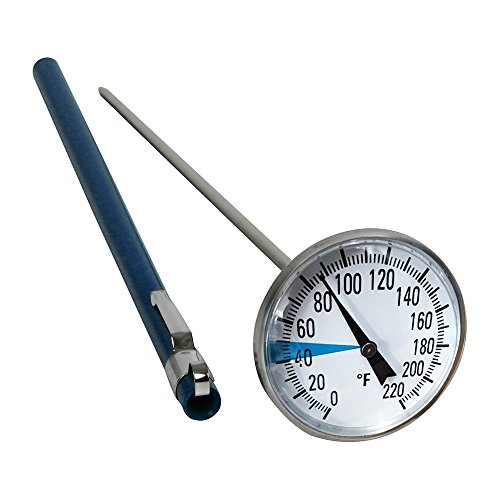
PRACTICAL SOLUTION - While other Soil Thermometers can’t tell the correct temperature, fogs up, and get broken easily, our soil thermometer has high precision performance, high-visibility, and is designed to last

THERMOMETER FOR GREENHOUSE AND GARDENING ENTHUSIASTS: Max min greenhouse thermometers are often used by gardeners as greenhouse accessories, and for the allotment or garden to monitor minimum temperatures during the colder months when frost can be a huge problem and also to keep an eye on the maximum temperature during the warmer months
Average September Temperatures
Average September temperatures vary by location but generally range from 50°F to 75°F (10°C to 24°C). Ideal growing conditions for lettuce occur when temperatures remain below 75°F (24°C) during the day and above 45°F (7°C) at night. Lettuce thrives in cooler weather, making September a suitable month for planting in many regions. Monitor temperature fluctuations closely as they can impact seed germination and growth rates.
Regional Differences in Planting
Regional differences significantly affect your lettuce planting schedule.
- Northern Regions: In areas with cooler climates, you can plant lettuce early in September. This allows sufficient time for harvesting before winter sets in.
- Southern Regions: In warmer areas, consider planting later in the month to avoid extreme heat. Provide some shade if daytime temperatures exceed 80°F (27°C).
- Coastal Areas: Coastal regions may experience milder temperatures. You can enjoy a longer growing season, making September a perfect time to plant various lettuce types.
Use frost dates specific to your area to assess when to plant. Adjust your planting schedule based on local conditions, ensuring that you maximize your chances for a healthy harvest.
Planting Lettuce in September
You can grow lettuce in September, taking advantage of cooler temperatures that promote healthy growth. It’s essential to choose the right varieties to ensure successful planting.
Recommended Products

4 Popular Heirloom Lettuce Varieties: Includes Red Romaine, Bibb Butterhead, Black Seeded Simpson, and Green Ice lettuce seeds to grow crisp, tender, and colorful salad greens with balanced flavor, texture, and visual appeal.

Beautiful - Large, premium packet of a blend of heirloom Lettuce seeds (Latuca sativa). This surprising mix of pretty and colorful lettuces will be a welcome addition to your garden in early spring and fall. Minimum of 600 mg per packet (about 650 seeds).

"Mesclun" comes from the Provençal French word meaning "mixture" — this style of mixed salad greens originated in the Nice region of France and became a staple of fine restaurants worldwide before becoming a home garden favorite.
Recommended Lettuce Varieties
Opt for cool-season varieties that flourish in September. Here are some great choices:
- Butterhead: Known for its soft leaves and sweet flavor, Butterhead thrives in cooler temperatures.
- Romaine: This variety offers crisp texture and can withstand a slight chill, making it perfect for early fall planting.
- Looseleaf: Fast-growing and versatile, Looseleaf varieties produce tender leaves that can be harvested continuously.
Avoid warm-season types like Iceberg and Crisphead, which may struggle in the cooler conditions typical of fall.
Preparation and Soil Conditions
Prepare your planting area for optimal growth. Follow these steps:
- Choose the Right Location: Select a spot with good sunlight. Aim for at least 6 hours of sun daily.
- Test Your Soil: Ensure you’ve well-drained, organic-rich soil. A pH level between 6.0 and 6.8 works best.
- Improve Soil Quality: Mix in compost or well-rotted manure to enrich your soil, boosting fertility and drainage.
- Planting Depth: Sow seeds about ¼ to ½ inch deep. Space seeds based on the variety, usually around 6 to 12 inches apart.
- Moisture Management: Keep the soil consistently moist. Water gently to avoid displacing seeds. Consider drip irrigation for even moisture.
By following these guidelines, you’ll increase your chances of a successful lettuce harvest in September. Pay attention to the local frost dates, as chilly nights may require additional protection for young plants.
Care and Maintenance
Caring for lettuce planted in September requires attention to watering, fertilization, pest management, and disease control. Following these guidelines helps ensure a bountiful harvest.
Recommended Products

IMPROVED FORMULATION - Kills slugs and snails, as well as earwigs, cutworms, sowbugs, pillbugs


Watering and Fertilization
Watering consistently keeps your lettuce healthy. Aim for about 1 inch of water each week, adjusting for rainfall. Check soil moisture with your finger; if the top inch feels dry, it’s time to water.
Fertilization supports growth, especially when planting in September. Use a balanced, slow-release fertilizer or organic options like compost. Apply it before planting and again mid-season, based on product instructions.
Pest and Disease Management
Pests can threaten your lettuce as it grows. Keep an eye out for aphids, slugs, and snails. Handpick pests, use neem oil, or place copper tape around your garden bed to deter them.
Diseases like downy mildew and lettuce drop can occur. Improve air circulation by spacing plants adequately. Remove any infected leaves promptly and avoid watering the leaves to reduce disease spread. Rotate crops each season to minimize disease risk in future plantings.
Conclusion
Growing lettuce in September can be a rewarding experience if you choose the right varieties and pay attention to the growing conditions. With cooler temperatures on your side it’s the perfect time to plant those cool-season types like Butterhead and Romaine.
Make sure you prepare your soil well and keep an eye on moisture levels to help your plants thrive. By monitoring local frost dates and taking care of any pests or diseases that might pop up, you’ll set yourself up for a bountiful harvest. Enjoy the process and savor the fresh greens from your garden as the season changes. Happy gardening!
Frequently Asked Questions
Can I grow lettuce in September?
Yes, you can grow lettuce in September as temperatures begin to cool. It’s ideal to plant cool-season varieties that thrive in these conditions.
What types of lettuce are best for September planting?
Cool-season varieties like Butterhead, Romaine, and Looseleaf are recommended for planting in September, as they perform better in cooler temperatures.
What soil conditions are ideal for growing lettuce?
Lettuce prefers well-drained, organic-rich soil. Add compost to improve soil quality and ensure proper drainage for healthier growth.
How much water does lettuce need in September?
Lettuce requires about 1 inch of water per week. Consistent moisture is key to promoting healthy growth and preventing stress.
How can I manage pests and diseases for my September-planted lettuce?
Monitor for pests like aphids and slugs, and diseases such as downy mildew. Improve air circulation, practice crop rotation, and use organic methods for management.
What temperatures are best for growing lettuce in September?
Lettuce grows best when daytime temperatures are below 75°F (24°C) and nighttime temperatures remain above 45°F (7°C).
When should I plant lettuce depending on my region?
Northern regions can plant early in September, while southern areas should plant later to avoid heat. Coastal regions may have a longer growing season.
