

Wondering if you can still plant lettuce in October? You’re not alone. As the days grow shorter and the weather turns cooler, many gardeners face the challenge of extending their growing season.
Key Takeaways
- Optimal Growth Conditions: Lettuce thrives in temperatures between 60°F and 70°F, making October a suitable time to plant, especially in warmer climates.
- Variety Selection: Choose cold-resistant types like loose-leaf, romaine, and butterhead varieties to ensure strong growth and flavorful yields during colder months.
- Season Extension: Utilizing cold frames or row covers can protect young lettuce from frost, allowing for an extended growing season and fresh greens well into winter.
- Flavor Enhancement: Cool temperatures during October planting can enhance the sweetness of lettuce, providing a more enjoyable taste and unique flavor profiles.
- Monitoring Conditions: Keep track of local weather patterns and frost dates to adjust your planting schedule and protect your lettuce effectively from cold stress.
- Soil Preparation: Test and prepare your soil with compost to ensure optimal drainage and nutrient levels, essential for healthy lettuce growth in October.
Understanding Lettuce Growth Cycles
Lettuce grows best in cool weather, thriving in temperatures between 60°F and 70°F. These conditions favor rapid leaf development and minimize bolting, a process where the plant goes to seed prematurely.
Lettuce has various types, including loose-leaf, romaine, and butterhead, each with specific growth timelines. For example, loose-leaf varieties mature in about 30 to 50 days, while romaine can take up to 75 days.
Recommended Products
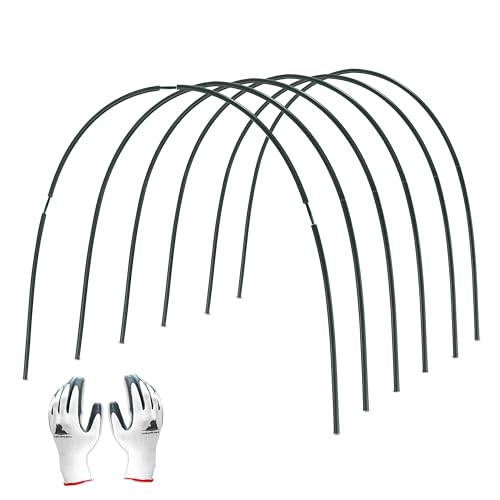
Durable PP Material: Crafted from high quality polypropylene to resist rust and oxidation; provides sturdy support for all weather garden protection; safe to handle without risk of skin irritation
Durable PP Material: Crafted from high quality polypropylene to resist rust and oxidation; provides sturdy support for all weather garden protection; safe to handle without risk of skin irritation

Comprehensive Winter Protection for Your Garden: Our outdoor plant covers provide complete freeze protection for strawberries, vegetables, tomatoes, fruit trees, citrus plants, shrubs, and potted plants throughout the winter. This frost cloth plant freeze protection shields delicate plants from sudden temperature drops, frost, and strong winds, ensuring they survive harsh winter conditions. Ideal for those looking for frost blankets for outdoor plants and reliable plant freeze protection covers.
Growth Stages
- Germination: Lettuce seeds germinate in 7 to 14 days. Ensure the soil remains moist but not soggy during this phase.
- Seedling: After germination, the seedling stage begins. This lasts for 2 to 3 weeks, involving the growth of the first true leaves.
- Vegetative Growth: During this stage, plants focus on leaf development and can last 3 to 6 weeks, depending on the variety.
- Maturity: Harvest occurs as leaves reach a desirable size, typically between 30 and 75 days after planting.
Planting in October
You can still plant lettuce in October, particularly in warmer climates. If the average daily temperatures remain mild, consider using cold frames or row covers to protect young plants from frost. Early planting in October helps ensure you benefit from the warm soil, which encourages quicker germination.
- Choose the Right Variety: Opt for cold-resistant lettuce types like winter greens or romaine.
- Monitor Weather Conditions: Keep an eye on predicted frost dates, adjusting your planting schedule as needed.
- Maximize Light Exposure: Position your lettuce in a location that receives adequate sunlight, even as days shorten.
- Water Consistently: Regular watering will support growth, especially as temperatures fluctuate.
Being mindful of these growth cycles and practical tips helps you make informed decisions when planting lettuce in October.
Benefits of Planting Lettuce in October
Planting lettuce in October offers several advantages for home gardeners. From extending the growing season to unlocking unique flavors, your efforts can yield fresh greens well into the colder months.
Extended Growing Season
Planting in October allows you to maximize your garden’s potential. When you choose the right varieties, like loose-leaf or romaine, you can enjoy fresh harvests even as temperatures drop. Cold-resistant varieties thrive in cool conditions, enabling you to extend your growing season. Using season extenders, such as row covers or cold frames, protects young seedlings from frost, ensuring a healthy crop. This strategy keeps you in a fruitful cycle, allowing you to enjoy homegrown lettuce longer.
Unique Flavor Profiles
October planting brings distinct flavor advantages. Cool temperatures enhance the sweetness of lettuce leaves while reducing bitterness, giving you a more delightful taste experience. You can experiment with different varieties, including butterhead, which provides a tender and buttery texture, perfect for salads. As you explore, you’ll enjoy a diverse range of flavors that aren’t as prominent in warmer months. Choosing to plant in October opens up an opportunity for rich, flavorful greens that elevate your meals.
Challenges of October Lettuce Planting
Planting lettuce in October comes with unique challenges that you should be aware of to ensure a successful harvest.
Weather Considerations
Cooler temperatures can affect germination and growth rates. Ideal lettuce growth occurs between 60°F and 70°F. If nighttime temperatures drop below 40°F, you risk slowing plant development. Consider using a soil thermometer to keep track of soil temperatures and adjust planting locations accordingly. In areas with unpredictable frosts, using cold frames or row covers provides extra protection.
Pest and Disease Risks
As temperatures drop, certain pests like aphids and slugs may become less active, while others, such as aphid populations and fungal diseases, can still pose risks. Monitor your plants regularly for signs of infestations or diseases. Inspect leaves for pests and apply organic pesticides when necessary. Ensure good airflow around your plants to prevent moisture buildup, reducing the risk of fungal infections.
Experiment with resistant varieties that provide better yields while minimizing pest problems. Your October planting could yield fresh greens, but staying vigilant against potential challenges is crucial for success.
Tips for Successful October Planting
Planting lettuce in October can yield great results with the right approach. Focus on choosing suitable varieties and preparing your garden properly to maximize your harvest.
Recommended Products

🥬 Winter Density Lettuce: 65 days until Maturity. Latin Name: Lactuca sativa. Open Pollinated. The plant produces heavy yields of dark green romaine lettuce. Leaves are tightly folded and have a delicious sweet flavor. Lettuce retains its crisp sweetness best when harvested in the morning.

YEAR-ROUND GARDEN FAVORITE – Dependable butterhead lettuce that thrives in cool or moderate weather for consistent harvests from spring through fall, even under cover in winter

4 Popular Heirloom Lettuce Varieties: Includes Red Romaine, Bibb Butterhead, Black Seeded Simpson, and Green Ice lettuce seeds to grow crisp, tender, and colorful salad greens with balanced flavor, texture, and visual appeal.
Choosing the Right Lettuce Varieties
Select cold-resistant varieties for your October planting. Look for loose-leaf types, romaine, and butterhead options, as they tolerate cooler temperatures better. Varieties like ‘Red Romaine’ and ‘Buttercrunch’ thrive in October’s conditions. Planting these helps you enjoy a harvest well into the winter months.
Preparing the Soil
Prepare your soil before planting to ensure optimal growth. Start by testing your soil’s pH; lettuce thrives in soil between 6.0 and 7.0. Improve your soil by mixing in compost or well-rotted manure. This enriches nutrients while promoting good drainage. Additionally, loosen the top 6 to 8 inches of soil to encourage root development and enhance aeration.
Overall, focus on selecting resilient lettuce varieties and maintaining healthy soil to guarantee a successful October harvest.
Conclusion
Planting lettuce in October can be a rewarding experience if you approach it with the right strategies. By selecting cold-resistant varieties and using protective measures like cold frames or row covers you can enjoy fresh greens even as temperatures drop.
Don’t forget to monitor the weather and keep an eye on your plants for any pests or diseases. With a little care and attention you can extend your gardening season and savor the unique flavors of fall lettuce. So grab your seeds and get started—your taste buds will thank you!
Frequently Asked Questions
Can I still plant lettuce in October?
Yes, you can plant lettuce in October, especially in warmer climates. Lettuce thrives in cool weather, making it an ideal time for planting, provided you take protective measures against frost.
What types of lettuce grow well in October?
Cold-resistant varieties like loose-leaf, romaine, and butterhead are ideal for October planting. These types flourish in cooler temperatures and offer a variety of textures and flavors for your salads.
How can I protect my lettuce from frost?
To protect young lettuce plants from frost, use cold frames or row covers. These methods help maintain a warmer environment, reducing the risk of damage from colder temperatures.
What can I do to ensure successful germination in cool weather?
Monitor weather conditions, use soil thermometers, and choose suitable cold-resistant varieties. Slightly warming the soil before planting can also enhance germination rates.
How does cooler weather affect lettuce flavor?
Cooler temperatures enhance the sweetness of lettuce leaves while reducing bitterness, leading to a more pleasant flavor profile. This is particularly evident in varieties like butterhead.
What measures should I take for pest control in October?
Regularly monitor your lettuce for pests, even in cooler weather. Consider using resistant varieties and maintain good garden hygiene to minimize infestations and diseases.
How can I improve my soil for October planting?
Test your soil’s pH and enrich it with compost or well-rotted manure. Loosen the top layers to promote root development and aeration, ensuring healthy growth for your lettuce plants.
