

Have you ever wanted to grow your own fresh lettuce but didn’t know where to start? You’re not alone! Many people dream of a vibrant garden filled with crisp, homegrown greens, but the thought of planting can feel overwhelming.
Key Takeaways
- Choose the Right Variety: Select from popular lettuce types like Romaine, Butterhead, and Looseleaf based on taste, climate, and space availability for optimal growth.
- Prepare the Planting Site: Use well-draining, nutrient-rich soil with a pH of 6.0 to 6.8, and ensure at least 6-8 hours of sunlight for healthy sprouts.
- Planting Essentials: Sow seeds at a depth of 1/4 to 1/2 inch with proper spacing (12 inches apart) and water gently to keep soil consistently moist.
- Care and Maintenance: Fertilize every 4 to 6 weeks using a balanced fertilizer, and monitor for pests, utilizing methods like insecticidal soap and handpicking.
- Harvest at the Right Time: Look for mature signs like size, texture, and color; use clean cutting techniques to preserve freshness and encourage regrowth.
- Ensure Ongoing Health: Implement crop rotation and inspect plants regularly for pests and diseases to maintain a thriving lettuce garden.
Choosing The Right Lettuce Variety
Selecting the right lettuce variety is crucial for successful growth and flavor. Different types of lettuce offer unique textures, tastes, and growing conditions.
Recommended Products

🥬 Heat-Tolerant Upright Romaine: Jericho Romaine Lettuce (Lactuca sativa) forms tall, sturdy heads with crisp ribs and tender, mildly sweet leaves. Known for its strong heat tolerance compared to many romaine varieties, it grows 18–24 inches tall and delivers reliable harvests in extended spring and early summer conditions.

Red Romaine: Features vibrant red-tinged leaves with green bases, offering a mild, slightly sweet flavor and crisp texture ideal for salads and garnishes.
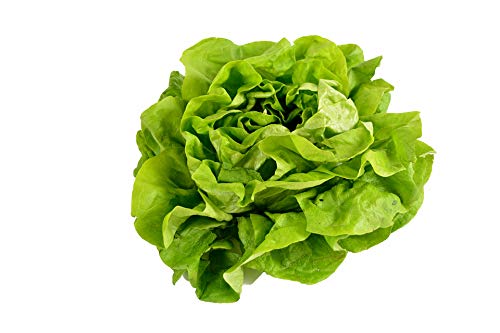
This lettuce is well known for its sweet flavor. Best if harvested in the morning.
Popular Lettuce Varieties
- Romaine: Known for its crisp leaves and sturdy texture, romaine thrives in cooler weather. It’s perfect for Caesar salads and can grow tall.
- Butterhead: This variety, including Boston and Bibb, features soft, tender leaves. It does well in containers and has a slightly sweet flavor.
- Looseleaf: Looseleaf varieties, like Red Leaf and Green Leaf, grow quickly and are easy to harvest. They’re versatile for salads and garnishes.
- Iceberg: This classic has a crunchy texture and mild flavor. Iceberg grows best in well-drained soil and requires more care to prevent pests.
- Batavia: Also called French crisp, Batavia lettuce combines traits of romaine and butterhead. It’s resistant to bolting and has a firm texture.
- Climate: Choose a variety suitable for your climate. Cool-season varieties perform best in spring and fall, while warm-season types thrive in summer.
- Space: Assess your planting area. Some varieties need more space to grow, while others fit well in small garden beds or containers.
- Taste Preference: Decide on flavor profiles you enjoy. Sweet, crisp, or tender—different varieties cater to diverse palates.
- Growth Speed: Consider how quickly you want to harvest. Some varieties mature in 30 days, while others take longer.
- Pest Resistance: Select types that resist common pests in your region. This choice can minimize plant stress and increase yield.
By selecting the right lettuce variety, you create a thriving garden and enjoy fresh, flavorful lettuce in your meals.
Preparing The Planting Site
Preparing the planting site is crucial for healthy lettuce growth. Proper soil and sunlight will enhance your success.
Recommended Products

Quick, at home results for Soil pH, Nitrogen, Phosphorous and Potash Innovative and inexpensive soil test kit features an easy-to-use capsule system and patented color comparators

Kindly NOTE: This soil tester can not be applied to test pH value of any other liquid. If the soil is too dry the indicator will not move, and water it before testing.

Accurate Soil pH Testing: Dewildetradingco Soil pH Test Strips offer measurements of soil pH levels (pH 3.5-9). As an essential tool for every gardener and grower, these test strips help determine the optimal pH for various plants, such as outdoor plants, indoor plants, gardens, grass lawns, fruit trees, flowers, vegetables, and forest shrubs.
Soil Requirements
Use well-draining, nutrient-rich soil for planting lettuce sprouts. Aim for a pH level between 6.0 and 6.8, which optimizes nutrient absorption. Incorporate organic matter like compost or well-rotted manure to improve soil texture and fertility. Mix in a balanced fertilizer based on the package instructions to give your sprouts a strong start. Before planting, test the soil with a kit to ensure it meets these conditions.
Sunlight And Spacing
Select a location that receives at least 6 to 8 hours of sunlight daily. Lettuce thrives in bright light, which boosts growth and taste. For spacing, sow seeds approximately 12 inches apart to allow for air circulation. This distance helps prevent overcrowding and reduces the risk of disease. If transplanting, space seedlings about 6 to 12 inches apart, depending on the variety. Follow these guidelines for optimal growth and harvest.
Planting Lettuce Seeds
Planting lettuce seeds requires attention to detail for optimal growth. Follow these guidelines to ensure healthy sprouts.
Seed Depth And Placement
Plant lettuce seeds at a depth of 1/4 to 1/2 inch. This shallow placement allows them to receive adequate light for germination. Space seeds about 12 inches apart in rows, or sprinkle evenly if you’re broadcasting. For small containers, use a few seeds per pot, ensuring proper airflow for robust growth.
Watering Techniques
Water lettuce seeds gently after planting. Use a spray bottle or a garden misting nozzle to avoid displacing the seeds. Keep the soil consistently moist, but not soggy. Water daily or every other day, depending on weather conditions. As sprouts emerge, reduce watering frequency to keep the top layer of soil slightly dry, which encourages strong root development.
Caring For Lettuce Sprouts
Caring for lettuce sprouts involves attention to fertilization and pest management. Proper care ensures healthy growth and a bountiful harvest.
Recommended Products

READY-TO-USE CONTACT SPRAY: No mixing required. Thoroughly spray insecticide on all plant parts, including the underside of leaves. Pests must be sprayed directly to achieve control
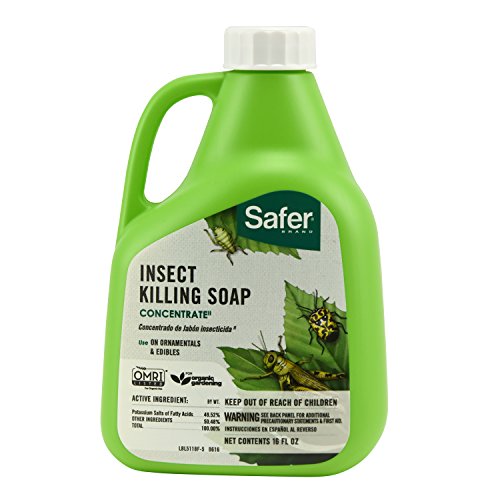
GENTLE ON MOST PLANTS - This aphid spray is ideal for use on flowers, herbs, vegetables, houseplants, lawn, tree, shrubs, and more

EASY TO USE: The ready-to-use indoor bug spray bottle makes application easy
Fertilization
Fertilization supports healthy lettuce growth with essential nutrients. Use a balanced, all-purpose fertilizer that contains nitrogen, phosphorus, and potassium. Apply fertilizer a few weeks after planting, following these steps:
- Mix Fertilizer: Blend the recommended amount of fertilizer into the top inch of soil around the sprouts.
- Water After Application: Water the area lightly to activate the fertilizer without washing it away.
- Repeat Every Few Weeks: Reapply fertilizer every 4 to 6 weeks, adjusting based on growth conditions.
Monitor growth closely; if the sprouts appear yellow or stunted, consider adding more nutrients.
Pest And Disease Management
Pest and disease management protects your lettuce sprouts from common threats. Familiarize yourself with potential pests, including aphids, snail, and slugs. Implement the following measures:
- Use Insecticidal Soap: Apply insecticidal soap every 7 to 10 days for aphids. Ensure coverage under leaves, where they hide.
- Handpick Pests: Regularly inspect leaves and manually remove pests like snails and slugs if present.
- Practice Crop Rotation: Avoid planting lettuce in the same spot year after year. This disrupts pest life cycles and reduces disease risk.
- Inspect Soil and Plants: Look for signs of disease such as yellowing leaves or wilting. If disease occurs, remove affected plants immediately.
Taking these precautions minimizes risks and contributes to thriving sprouts.
Harvesting Lettuce
Harvesting lettuce at the right time ensures flavor and tenderness. Pay close attention to the signs of maturity for optimal results.
Signs Of Maturity
Look for specific indicators to determine when your lettuce is ready for harvest.
- Size: Lettuce typically reaches maturity between 45 to 70 days after planting, depending on the variety. Harvest when leaves have grown to a desirable size.
- Texture: Mature leaves feel crisp and firm. If they start to soften, they’ve likely passed their prime.
- Color: Vibrant color indicates health. Leaves should appear rich and lively. Dull or yellowing leaves suggest over-maturity or stress.
- Flowers: If you see flowering (bolting), harvest immediately. Once lettuce flowers, it becomes bitter and tough.
Harvesting Techniques
Using the right techniques preserves the quality of your lettuce and promotes continued growth.
- Cutting: Use sharp scissors or a knife for clean cuts. Cut leaves about one to two inches above the soil level to allow for regrowth.
- Pulling: For some varieties like Butterhead, gently pull whole heads from the soil. Ensure you grasp the base and tug firmly yet carefully.
- Selective Harvesting: Opt for this method for Looseleaf varieties. Pick outer leaves regularly, allowing the inner leaves to continue growing.
- Timing: Harvest in the morning when temperatures are cooler. This approach helps maintain freshness and crunchiness.
These steps ensure you gather fresh, tender lettuce for your meals while promoting continued growth for future harvests.
Conclusion
Growing your own lettuce can be a rewarding experience that adds freshness to your meals. With the right variety and a bit of care you can easily cultivate a thriving garden. Remember to keep an eye on your sprouts and provide them with the attention they need.
Don’t forget to enjoy the process and learn along the way. Each step you take brings you closer to that delicious harvest. So get your hands dirty and start planting. You’ll be savoring your homegrown lettuce in no time!
Frequently Asked Questions
What are the best varieties of lettuce to grow at home?
Popular lettuce varieties to grow at home include Romaine, Butterhead, Looseleaf, Iceberg, and Batavia. Each type has unique flavor profiles and growth characteristics, making it important to choose one that fits your taste and climate.
How do I prepare the soil for growing lettuce?
To prepare the soil for lettuce, ensure it is well-draining and nutrient-rich with a pH between 6.0 and 6.8. Incorporate organic matter and balanced fertilizer to boost soil fertility, which helps support healthy lettuce growth.
How much sunlight do lettuce plants need?
Lettuce needs at least 6 to 8 hours of sunlight daily for optimal growth. Choosing an appropriate location in your garden or using grow lights can help ensure your lettuce receives the necessary light.
What is the proper planting depth and spacing for lettuce seeds?
Plant lettuce seeds at a depth of 1/4 to 1/2 inch, spacing them about 12 inches apart in rows. For broadcasting, sprinkle seeds evenly, and in small containers, plant a few seeds per pot for proper airflow.
How often should I water my lettuce plants?
Water lettuce gently after planting to avoid disturbing seeds, maintaining consistent soil moisture without making it soggy. As seedlings sprout, reduce watering frequency to encourage strong root development.
When should I fertilize my lettuce plants?
Fertilize lettuce a few weeks after planting using a balanced, all-purpose fertilizer. Reapply every 4 to 6 weeks to ensure your plants receive essential nutrients for healthy growth.
How can I manage pests and diseases in my lettuce garden?
Manage pests and diseases by using insecticidal soap, handpicking visible pests, practicing crop rotation, and regularly inspecting your plants for signs of trouble. Early detection is key to maintaining plant health.
When is the best time to harvest lettuce?
The best time to harvest lettuce is when it reaches maturity, indicated by size, texture, and color. Harvest in the morning for maximum freshness and flavor, using techniques like cutting or selective harvesting.
