

Ever wondered if your garden could be a harmonious blend of beets and onions, thriving side by side? Picture this: vibrant beets and pungent onions coexisting peacefully, creating a symphony of flavors and colors in your backyard. But the real question is, can you plant beets and onions together?
Imagine the convenience of having two essential kitchen staples growing together, saving you time and effort. In this article, you’ll uncover the secrets behind companion planting beets and onions. Discover how these two crops can not only share the same space but also benefit each other’s growth. Get ready to elevate your gardening game and reap the rewards of this dynamic duo in your own backyard.
Benefits of Companion Planting
When you plant beets and onions together, you unlock a harmonious relationship that goes beyond sharing space. The benefits of companion planting these two crops extend to improved growth and healthier yields for both. Here’s why:
- Natural Pest Control: Onions are known for their pungent smell, which acts as a deterrent for pests that might damage your beets.
- Space Optimization: By growing beets and onions together, you effectively utilize the available space in your garden, maximizing your yield potential.
- Soil Health: Beets and onions have different root structures, with beets tapping into deep soil nutrients while onions help deter soil-borne pests.
Blend the sweetness of beets with the zing of onions in your garden for a fruitful and thriving harvest.
Ideal Growing Conditions for Beets and Onions
When considering planting beets and onions together, it’s essential to create an environment that caters to the unique needs of both crops. Here are the ideal growing conditions for these companion plants:
- Sunlight: Ensure they receive at least 6 hours of sunlight per day.
- Soil: Opt for well-draining soil with a pH level between 6.0 to 7.0 for optimal growth.
- Spacing: Plant beets and onions 6 inches apart to allow ample room for growth.
To promote healthy development, water consistently, keeping the soil moist but not waterlogged. Incorporating organic matter like compost can also enhance soil quality, providing essential nutrients for your plants.
As these vegetables thrive in cooler temperatures, aim to plant them in the early spring or fall when the weather is milder. Consider using mulch to regulate soil temperature and retain moisture, supporting robust growth throughout the growing season.
Remember, creating a harmonious environment that meets the specific needs of both beets and onions is key to fostering a successful companion planting partnership.
Recommended Products

FOR USE: Use when planting or transplanting to improve native soil.

FOR USE: Use when planting or transplanting to improve native soil.
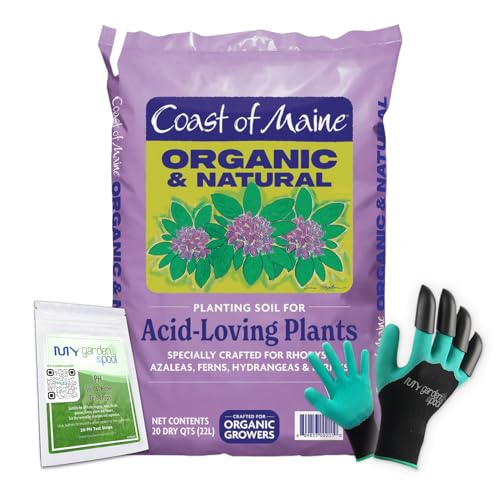
🌸 Formulated for azaleas, hydrangeas, and rhododendrons
Interactions Between Beets and Onions
When planting beets and onions together, consider their unique interactions that can benefit each other in your garden. Beets have a taproot that goes deep into the soil, drawing up nutrients that are out of reach for onions. This allows them to complement each other rather than compete for resources.
Beets’ root system also helps break up the soil, making it easier for onions to grow and expand their own roots. Onions, on the other hand, are known for their ability to deter certain pests due to their pungent aroma, which can help protect the beets from potential harm.
By pairing these two vegetables together, you can create a balanced ecosystem in your garden that promotes healthy growth and maximizes yield. Give it a try and see the positive effects of this companion planting approach firsthand.
Companion Plants for Beets and Onions
When planting beets and onions together, choose companion plants that enhance their growth and offer additional benefits to your garden. Here are some ideal companion plants to consider:
- Carrots: Planting carrots alongside beets and onions can help improve soil structure and add a pop of color to your garden.
- Lettuce: Lettuce not only complements the flavors of beets and onions but also acts as a natural shade provider for these crops.
- Radishes: Radishes can help deter pests that may harm beets and onions while adding a peppery crunch to your dishes.
Remember, selecting the right companion plants can promote biodiversity in your garden and create a harmonious environment for your beets and onions to thrive. Experiment with different combinations to find what works best for your specific growing conditions.
Harvesting and Caring Tips
When it’s time to harvest your beets and onions, gently loosen the soil around them before pulling them out. Beets are ready when they reach about 1 to 3 inches in diameter – simply grasp the foliage and lift them out. For onions, wait until the tops have fallen over and started to dry – this is when they are ready for harvesting.
Caring for Your Beets and Onions
- Watering: Keep the soil consistently moist, especially during dry periods.
- Weeding: Regularly remove weeds to prevent competition for nutrients.
- Fertilizing: Consider adding organic fertilizer mid-season to boost growth.
- Mulching: Mulch around plants to retain moisture and suppress weeds.
- Thinning: Thin out seedlings to avoid overcrowding and promote healthy growth.
Ensure you store harvested beets in a cool, dark place with good ventilation to prevent them from shriveling. On the other hand, onions should be dried before storage – hang them in a well-ventilated area until the tops are completely dry. Once dry, trim the tops and store in a cool, dry location.
| Beets | Onions |
|---|---|
| Rich in folate | High in vitamin C |
| Good source of fiber | Provide antioxidants |
Conclusion
You now have a good understanding of how to successfully plant beets and onions together. Remember to follow the harvesting and caring tips provided in the article to ensure a bountiful harvest. By gently loosening the soil for beets and waiting for onions to dry before pulling them out, you’ll set yourself up for success. Keep the soil moist, weed regularly, fertilize mid-season, mulch for moisture retention, and thin seedlings for optimal growth. When it comes to storage, remember to store beets in a cool, dark place and dry onions before trimming and storing in a well-ventilated area. Consider the nutritional benefits of each vegetable as well, with beets offering folate and fiber, and onions providing vitamin C and antioxidants. Happy planting!
Frequently Asked Questions
When should I harvest beets and onions?
Harvest beets when they reach 1 to 3 inches in diameter by gently loosening the soil. For onions, wait for them to dry before pulling them out.
What are some care tips for beets and onions?
Keep the soil moist, weed regularly, fertilize mid-season, mulch for moisture retention, and thin seedlings to ensure healthy growth.
How should I store beets and onions?
Store beets in a cool, dark place and dry onions before trimming and storing in a well-ventilated area to prolong their shelf life.
What are the nutritional benefits of beets and onions?
Beets are rich in folate and fiber, while onions are high in vitamin C and provide antioxidants, making them both valuable additions to a healthy diet.
