

Have you ever wondered if you can plant beans and tomatoes together in your garden? Picture this: You’re eager to maximize your garden space but unsure which plants can thrive harmoniously side by side. Well, the good news is that planting beans and tomatoes together not only saves space but also offers mutual benefits for both crops.
Key Takeaways
- Planting beans and tomatoes together maximizes garden space and creates a symbiotic relationship.
- Beans enrich the soil with nitrogen, benefiting tomato growth, while also acting as natural pest repellents.
- Consider space requirements and watering needs when companion planting beans and tomatoes for optimal growth.
- Monitor for potential challenges like disease transmission and nutrient competition between the two crops.
- Best planting practices involve providing vertical support for beans to climb and ensuring proper maintenance to promote healthy coexistence.
Benefits of Planting Beans and Tomatoes Together
When you plant beans and tomatoes together, you not only maximize your garden space but also create a symbiotic relationship between the two crops. Here are some benefits to consider:
Improved Soil Nutrition
By planting beans and tomatoes together, you can improve the overall soil quality in your garden. Beans are known for their nitrogen-fixing abilities, which means they take nitrogen from the air and convert it into a form that other plants can use. This process enriches the soil with essential nutrients, benefiting the growth of tomatoes alongside.
Pest Control Benefits
Another advantage of planting beans and tomatoes together is enhanced pest control. Beans release compounds into the soil that act as natural insect repellents, helping to deter pests that could harm your tomato plants. This natural pest control method reduces the need for chemical interventions while promoting a healthier garden ecosystem.
Consider these benefits when planning your garden layout to make the most of planting beans and tomatoes together.
Considerations for Successful Companion Planting
When planting beans and tomatoes together in your garden, there are key factors to consider for successful companion planting. Pay attention to the following aspects to ensure optimal growth and benefits from this symbiotic relationship.
Recommended Products

【New generation Plant Support Cage】Different from other tomato trellis, LOMNYIY tomato support cage have the newest plug-in connection, and unique double-layer metal tube built-in interface design to stay together tighter and more stable. And the poles are very hard with a metal core, yet are coated entirely in plastic to keep them from rusting, and the heat dissipation is good. It means strong durable performance can hold up in the wind with heavy tomato plants in them.
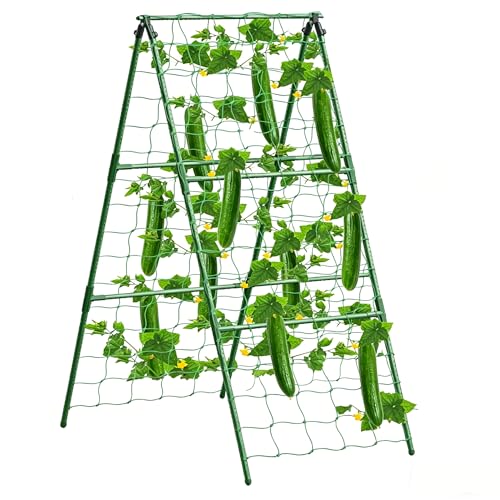
【Package included】:This Trellis for Climbing Plants Outdoor comes complete with everything you need to get started: 17pcs metal stakes, 8pcs T shape connect pipe, 2 A-shaped connectors, and a 0.9x1.8meter plant net.
Space Requirements
To accommodate both beans and tomatoes effectively, it’s essential to plan your garden layout thoughtfully. Beans typically grow vertically, making them suitable for trellises or supporting structures. On the other hand, tomatoes require more space horizontally as they spread out as they grow. Ensure that you provide ample room for both plants without overcrowding to prevent competition for resources like sunlight and nutrients.
Watering Needs
Beans and tomatoes have different watering requirements due to their distinct growth patterns and root systems. While beans generally prefer consistently moist soil but can tolerate slightly drier conditions, tomatoes need regular watering to maintain even moisture levels throughout the growing season. When planting these crops together, monitor the soil moisture carefully and adjust your watering schedule accordingly to meet the needs of both plants adequately.
By understanding and addressing these considerations related to space requirements and watering needs when companion planting beans and tomatoes, you can create a harmonious environment that promotes the healthy growth of both crops in your garden.
Potential Challenges
When planting beans and tomatoes together, you may encounter some potential challenges that require attention to ensure the successful growth of both crops in your garden.
Risk of Disease
Planting beans and tomatoes in close proximity can increase the risk of disease transmission between the two plants. For example, beans are susceptible to fungal diseases like rust or blight, which could spread to neighboring tomato plants. To mitigate this risk, it’s essential to monitor both crops regularly for any signs of disease and promptly address them to prevent further spread.
Competition for Nutrients
Beans and tomatoes have different nutrient requirements, leading to potential competition for essential elements in the soil. Beans are nitrogen-fixing plants that enrich the soil with nitrogen, while tomatoes have higher potassium needs for fruit development. To manage this challenge effectively, consider rotating bean and tomato plantings each season to balance nutrient levels in the soil and avoid depletion of specific nutrients crucial for either crop’s growth.
Practical Tips for Planting Beans and Tomatoes Together
Recommended Products

【Package included】:Crafted from robust hollow steel, this garden stakes features a fade-resistant green plastic coating, offering reliable protection against wind, rain, and rust. This Trellis for Climbing Plants Outdoor comes complete with everything you need to get started: 17pcs metal stakes, 8pcs T shape connect pipe, 2 A-shaped connectors, and a 0.9x1.8meter bird net.

【Package included】: This Trellis for Climbing Plants Outdoor comes complete with everything you need to get started: 17pcs metal stakes, 8pcs stainless wire connect pipe, 2 A-shaped connectors, and a 0.9x1.8meter Bird net.

Garden Trellis Size for Raised Beds: This 48" L x 48" H cucumber trellis for raised bed adjusts from 16" to 26" wide, fitting many 4 ft raised garden beds. Use it as a trellis for raised garden bed layouts to save ground space while guiding vines upward.
Best Planting Practices
When planting beans and tomatoes together in your garden, it’s essential to consider their growth habits. Beans are climbers that need vertical support, while tomatoes sprawl horizontally. To optimize space, plant the beans along a trellis or stake for them to climb, allowing tomatoes to spread out beneath without overcrowding. This arrangement maximizes sunlight exposure and airflow around each plant.
Maintenance Tips
To ensure the successful coexistence of beans and tomatoes in your garden, regular maintenance is key. Monitor both crops for any signs of disease or nutrient deficiencies. Rotate bean and tomato plantings each season to prevent soil depletion and reduce the risk of diseases persisting in the same location. Additionally, address any competition for nutrients by providing balanced fertilization based on the specific needs of beans and tomatoes to promote healthy growth.
Conclusion
Planting beans and tomatoes together can be a rewarding experience in your garden. By leveraging their symbiotic relationship, you can maximize space, improve soil health, and enhance pest control. Remember to plan your garden layout thoughtfully to accommodate the different growth patterns of beans and tomatoes. Providing adequate support for vertical growth and optimizing sunlight exposure are key factors for successful companion planting. Regular maintenance, such as monitoring soil moisture levels and addressing any issues promptly, is essential for ensuring a harmonious coexistence between beans and tomatoes. With proper care and attention, you can enjoy a bountiful harvest from these complementary plants in your garden.
Frequently Asked Questions
Can beans and tomatoes be planted together in a garden?
Yes, beans and tomatoes can be planted together in a garden. They have a symbiotic relationship that maximizes space, improves soil nutrition, and enhances pest control.
What are the benefits of planting beans and tomatoes together?
Planting beans and tomatoes together helps maximize space utilization, improve soil health, enhance pest control naturally, and promote overall plant growth.
How should I plan my garden layout for planting beans and tomatoes together?
Plan your garden layout to accommodate the vertical growth of beans by providing support structures like trellises or stakes. Allow tomatoes to sprawl horizontally to optimize sunlight exposure and airflow.
Are there specific watering needs for beans and tomatoes when planted together?
Beans typically require more consistent moisture than tomatoes. Monitor soil moisture regularly to ensure both plants receive adequate water without overwatering.
What are some practical tips for successful companion planting of beans and tomatoes?
Provide vertical support for climbing beans, allow tomato plants to sprawl horizontally, rotate plantings each season, monitor for diseases/nutrient deficiencies, optimize sunlight exposure/airflow.
How important is regular maintenance when planting beans and tomatoes together?
Regular maintenance is crucial. Monitor for diseases/nutrient deficiencies, rotate plantings each season, provide balanced fertilization to ensure healthy coexistence of beans and tomatoes.
