

Have you ever wondered if you can grow tomatoes and lettuce together in your AeroGarden? If you’re looking to maximize your indoor gardening space, you’re not alone. Many home gardeners want to make the most of their setups, but mixing plants can feel a bit tricky.
Key Takeaways
- AeroGarden Benefits: AeroGarden systems utilize hydroponic technology for year-round gardening, easy maintenance, and compact design ideal for small spaces.
- Plant Compatibility Considerations: While tomatoes and lettuce can grow together, it’s crucial to choose varieties with compatible growth patterns and nutrient needs to avoid competition.
- Space Efficiency: Utilizing vertical space by placing taller tomato plants above shorter lettuce helps maximize light exposure and yield in limited areas.
- Companion Planting Advantages: Growing these two plants benefits both; lettuce can provide shade for tomatoes, while tomatoes may deter pests affecting lettuce, enhancing overall growth.
- Nutrient Management: Monitor nutrient levels carefully, as tomatoes need higher nutrients than lettuce. Use a balanced nutrient solution specifically tailored for mixed planting.
- Regular Maintenance: Implement practices like pruning, adjusting water levels, and monitoring for pests to ensure both plants thrive together.
Overview of Aerogarden
Aerogarden systems provide a soil-free method for growing plants indoors. These units use hydroponic technology to deliver nutrients and water directly to plant roots, promoting fast growth. You can choose from various models, catering to different plant types and sizes.
Key Features
- Automatic LED Grow Lights: Adjustable height lights provide optimal light for growing stages.
- Smart Garden Technology: Sensors monitor water levels and nutrient supply, sending alerts when maintenance is needed.
- Space Efficiency: Compact designs fit well on countertops, making them ideal for small spaces.
Benefits of Using Aerogarden
- Year-Round Gardening: No seasonal limitations allow for continuous harvests.
- Easy Maintenance: Minimal effort is required for setup, watering, and harvesting.
- Accessibility: Ideal for beginners and those with limited gardening experience.
Plant Compatibility
Many plants thrive in an Aerogarden. Leafy greens like lettuce and herbs grow well together, while fruiting plants like tomatoes can also flourish. However, it’s essential to consider space and growth patterns.
Practical Considerations
When growing multiple plants, ensure:
- Growth Space: Choose varieties that won’t overshadow each other as they grow.
- Nutrient Needs: Pair plants with similar nutrient requirements for the best results.
- Light Requirements: Ensure all plants receive adequate light exposure without excessive shading.
Understanding the Aerogarden setup allows for more efficient gardening, making it straightforward to cultivate your favorite plants, including tomatoes and lettuce, in harmony.
Benefits of Growing Together
Growing tomatoes and lettuce together in an AeroGarden offers several advantages. These benefits include efficient use of space and the advantages of companion planting.
Recommended Products

Green Low-Calorie Delights: inbloom hydroponic salad herb seed pod kit includes American fast lettuce, butter lettuce, red cherry tomato, and golden cherry tomato. More seeds, more combinations. Growing your own low-calorie food allowing you to enjoy salads bursting with flavor

GROW WITH CONFIDENCE - We are so confident in the quality of our AeroGarden seeded pods, that we will send out a replacement seed pod if one fails to germinate after 3 weeks

✔ Grow 8 Delicious Tomato Varieties Hydroponically! 🍅🌿 This hydroponic growing kit includes eight heirloom tomato and tomatillo varieties, perfect for growing fresh, juicy tomatoes indoors. Enjoy a mix of cherry, slicing, paste, and tomatillo varieties year-round with a hydroponic system!
Space Efficiency
Utilizing vertical space in your AeroGarden optimizes the growing area. Since tomatoes grow tall while lettuce remains low, you can maximize yield. Place tomatoes on the upper levels and lettuce below. This arrangement allows both plants to access light without overshadowing one another. By working in tandem, you’ll enjoy a lush indoor garden that thrives in limited areas.
Companion Planting Advantages
Companion planting promotes healthy growth by enhancing nutrient uptake and creating a balanced ecosystem. Lettuce can provide shade to the root systems of tomatoes, reducing stress during warm days. Tomatoes, in turn, help deter pests that often target lettuce. Together, they create a mutually beneficial environment, leading to improved flavors and larger harvests. Plus, having both plants nearby allows for easy access during harvest, making maintaining your garden simpler and more enjoyable.
Challenges in Growing Tomatoes and Lettuce Together
Growing tomatoes and lettuce together in an AeroGarden presents specific challenges that you should understand for successful cultivation. While these plants can coexist, their distinct needs necessitate careful management.
Recommended Products

🌿 BALANCED LIQUID PLANT FOOD (4-3-6): Perfect N-P-K ratio to promote abundant growth, healthy foliage, vibrant blooms, and flavorful harvests for tomatoes, strawberries, lettuce, lucky bamboo, herbs, and indoor house plants.
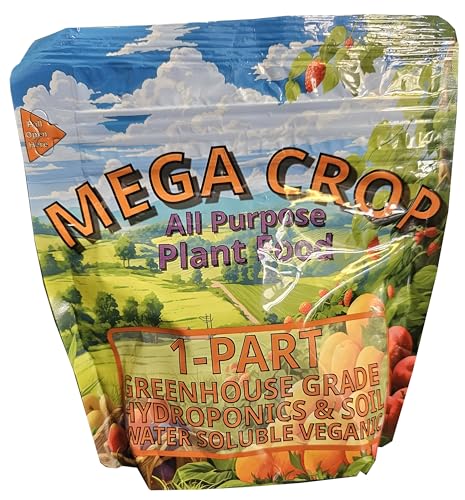
Pro's choice for growing Tomatoes, Buds, Fruits, Vegetables, Flowers and more! 400g size makes about 90 Gallons of solution

Heirloom Non-GMO Seeds: seed pod kit contains 6 kinds of lettuce seeds, they are Spinach, Red/Golden Cherry Tomato, Red&Green Leaf Lettuce, Butter Head, Paris Island Lettuce. Various kinds of lettuce seeds, each one is rich in nutritional value. 100% Non-GMO, open pollinated
Nutrient Requirements
Tomatoes require higher levels of nutrients, especially nitrogen and potassium, to support fruit production. Lettuce, on the other hand, thrives with lower nutrient concentrations. If you provide the same nutrient solution for both, tomatoes can easily out-compete lettuce, leading to nutrient deficiencies. Use a balanced hydroponic nutrient solution tailored for mixed crops. Additionally, monitor the nutrient levels regularly. Adjustments to the nutrient mix may enhance growth if one plant shows signs of stress.
Growth Patterns
Tomatoes grow tall and sprawling, while lettuce remains relatively low. This can lead to shading issues, limiting light access for lettuce. Ensure your AeroGarden setup allows for vertical spacing; position tomatoes in a way that respects their growth habit. Consider pruning tomato plants to manage their height and spread. Regularly check the growth of both plants to prevent overcrowding. If lettuce begins to show signs of insufficient light, adjust the light source higher to accommodate its growth.
Tips for Successful Co-Growth
Growing tomatoes and lettuce together can be rewarding if you follow specific guidelines. You can optimize your AeroGarden setup for better results by choosing compatible varieties and implementing effective maintenance practices.
Recommended Products

PERFECT FOR SMALL SPACES – Tiny Tim’s compact plants thrive on patios, balconies, or sunny windowsills, giving you fresh cherry tomatoes even without a traditional vegetable garden plot

Seeds are fresh, 10-25 days to germination.

Dwarf plant does not grow very large, usually only about 12", though it can sometimes get taller
Ideal Varieties
Select suitable varieties for co-growth to enhance compatibility. Look for dwarf tomato varieties like Tiny Tim or Patio Princess, which remain compact and reduce the risk of overcrowding. For lettuce, opt for Butterhead or Romaine, as these varieties occupy less vertical space and thrive in hydroponic systems. Combining these specific types ensures that both plants receive ample light and nutrients without excessive competition.
Maintenance Practices
Implement consistent maintenance practices to promote healthy growth.
- Nutrient Monitoring: Regularly check your nutrient solution. Use a balanced hydroponic nutrient mix that accommodates both tomatoes and lettuce. Aim for a nitrogen level around 120 ppm for tomatoes and lower for lettuce, around 80 ppm.
- Water Management: Keep an eye on water levels. Tomatoes prefer slightly wetter conditions, while lettuce thrives in less saturated environments. Adjust water levels to maintain an optimal balance.
- Pruning Techniques: Prune tomato plants to manage their height. Regularly remove excessive foliage to prevent shading the lettuce. This promotes better light access.
- Lighting Adjustments: Position your LED lights 6 inches above the plants. If lettuce shows signs of stretching, raise the lights to provide additional distance.
- Pest Monitoring: Watch for pests such as aphids. Using companion planting principles, monitor any signs of pests on either plant and act quickly to prevent infestations.
By following these tips, you can cultivate a thriving garden that maximizes the potential of your AeroGarden.
Conclusion
Growing tomatoes and lettuce together in your AeroGarden can be a rewarding experience. By carefully managing their unique needs and utilizing the vertical space effectively, you can enjoy a bountiful harvest. Remember to choose compatible varieties and keep an eye on nutrient levels to ensure both plants thrive.
With a little attention and the right techniques, you’ll create a flourishing indoor garden that not only saves space but also enhances flavors. Embrace the joy of gardening and watch your tomatoes and lettuce grow harmoniously together. Happy gardening!
Frequently Asked Questions
Can you grow tomatoes and lettuce together in an AeroGarden?
Yes, you can grow tomatoes and lettuce together in an AeroGarden. The key is to carefully manage their growth space, nutrient needs, and light requirements to ensure both plants thrive.
What are the benefits of growing tomatoes and lettuce together?
Growing tomatoes and lettuce together allows for efficient use of vertical space, enhanced nutrient uptake, and improved pest deterrence. This companion planting leads to better flavors and larger harvests.
What AeroGarden systems are suitable for growing tomatoes and lettuce?
AeroGarden systems that have ample vertical space and adjustable lighting are ideal. Systems with smart garden technology can help monitor plant growth and optimize conditions for both crops.
What are the nutrient needs for tomatoes and lettuce?
Tomatoes require higher nutrient levels, particularly nitrogen and potassium, while lettuce thrives on lower nutrient concentrations. Using a balanced hydroponic solution and monitoring regularly can help manage these needs.
What are some tips for optimizing an AeroGarden setup?
Select compatible varieties like dwarf tomato types and suitable lettuce varieties. Regularly monitor nutrients, adjust lighting, and manage tomato height through pruning to prevent shading and ensure proper growth for both plants.
