

Have you ever wondered if you can grow lettuce in those shady spots of your garden? Maybe you’ve got a cozy corner under a tree or a patio that doesn’t get much sunlight. You’re not alone—many gardeners face the challenge of limited light but still crave fresh greens.
This article will explore whether lettuce can thrive in the shade and how you can make it work. You’ll discover tips and tricks to maximize your harvest, even in less-than-ideal conditions. So if you’re looking to enjoy homegrown lettuce without the full sun, keep reading to find out how you can turn that shaded area into a leafy paradise.
Key Takeaways
- Lettuce Growth in Shade: Lettuce can successfully grow in shaded areas if the right conditions are met, offering fresh greens even with limited sunlight.
- Light Requirements: Aim for at least 4 to 6 hours of indirect light daily; varieties like Butterhead and Romaine are more adaptable to partial shade.
- Soil and Moisture: Utilize well-draining soil enriched with compost, and maintain consistent moisture to prevent wilting and ensure optimal flavor.
- Temperature and Pests: Lettuce thrives in cooler temperatures (60°F to 70°F) and may face pest challenges like slugs in shaded areas; monitor plants and use organic pest control methods.
- Growing Techniques: Employ strategies like layering with taller plants, using containers, and succession planting to maximize growth and yield in shaded spots.
- Companion Planting: Pair lettuce with shade-tolerant companions like spinach and radishes to create a supportive microclimate, improving moisture retention and reducing pests.
Understanding Lettuce Growth
Lettuce thrives in cooler temperatures and can adapt to less-than-ideal light conditions. Understanding the growth patterns of lettuce helps in maximizing success in shaded areas.
Light Requirements
Lettuce generally prefers full sun, but certain varieties tolerate partial shade. Aim for at least 4 to 6 hours of indirect light daily. Varieties like Butterhead and Romaine perform better in these conditions.
Soil and Water
Lettuce grows best in well-draining, fertile soil. Use a mix of compost and garden soil to enhance nutrient content. Keep the soil consistently moist; wilted leaves indicate insufficient water.
Temperature Considerations
Lettuce prefers temperatures between 60°F and 70°F. In shaded areas, it may flourish longer into warmer seasons. Excessive heat causes bolting, so consider shade cloths for additional protection during hot spells.
Growing Techniques
- Layering: Grow lettuce beneath taller plants like tomatoes. This creates a microclimate that reduces competition for light.
- Containers: Use pots or containers on patios for more control over light exposure. Rotate them for optimal light throughout the day.
- Succession Planting: Plant lettuce every couple of weeks to ensure a continuous harvest.
Potential Challenges
Shaded Lettuce may attract pests like slugs and snails. Monitor plants regularly and use organic methods to deter pests. Provide adequate airflow to prevent fungal diseases, which can thrive in damp, shady conditions.
By implementing these practices, you can successfully grow lettuce in shaded areas and enjoy fresh greens from your garden.
Sunlight Requirements for Lettuce
Lettuce requires specific sunlight conditions for optimal growth. Understanding these requirements helps you determine your garden’s suitability for this leafy green.
Recommended Products

🥬 Heat-Tolerant Upright Romaine: Jericho Romaine Lettuce (Lactuca sativa) forms tall, sturdy heads with crisp ribs and tender, mildly sweet leaves. Known for its strong heat tolerance compared to many romaine varieties, it grows 18–24 inches tall and delivers reliable harvests in extended spring and early summer conditions.

CLASSIC HEIRLOOM LETTUCE SEEDS – Black-seeded Simpson is a beloved loose-leaf lettuce with light green ruffled leaves and sweet mild taste, ideal for fresh salads and easy harvests from spring through fall
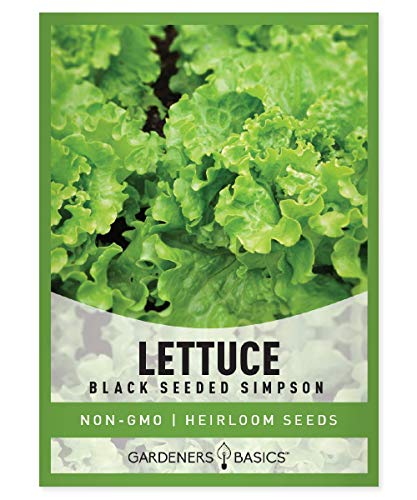
Black Seeded Simpson is a classic heirloom loose leaf lettuce with large, tender green leaves and a mild, sweet flavor. Harvest fresh leaves for salads, sandwiches, wraps, and other homegrown meals.
Importance of Sun Exposure
Sun exposure plays a crucial role in determining the health and yield of your lettuce. Lettuce thrives with at least 4 to 6 hours of indirect sunlight daily. Without adequate light, growth slows, and the plants may become leggy or weak. In shaded areas, use reflective surfaces, like white walls or light-colored mulches, to enhance available light.
Varieties of Lettuce and Their Needs
Different lettuce varieties exhibit varying levels of shade tolerance. Here’s a quick overview:
- Butterhead: Prefers cooler conditions and tolerates partial shade well. Ideal for gardens with dappled sunlight.
- Romaine: Adaptable, it grows in moderate light. This variety still requires several hours of sunlight for best results.
- Leaf Lettuce: These are some of the most shade-tolerant options, thriving even in 4 hours of indirect light.
Selecting the right variety makes a significant difference in successful growth under shade.
Growing Lettuce in Shaded Areas
Growing lettuce in shaded areas can yield fresh greens, even with limited sunlight. Understanding the benefits and challenges helps ensure successful cultivation.
Recommended Products

USDA Certified Organic by Oregon Tilth

VIBRANT RED LEAF LETTUCE SEEDS – Distinct curly leaves with rich burgundy color and mild, sweet flavor make Lolla Rossa a standout choice for colorful salads and fresh table greens

2,500 PREMIUM SEEDS: A generous collection of 2,500 high-quality Buttercrunch Lettuce seeds—perfect for gardeners seeking abundant, tender, and reliably crisp greens.
Benefits of Growing in the Shade
- Cooling Effect: Lettuce thrives in cooler conditions. Shade protects plants from excessive heat, reducing the risk of bolting during warm months.
- Extended Growing Season: Shaded spots can create a microclimate. This environment allows you to start growing earlier in spring and extend your harvest into fall.
- Moisture Retention: Shady areas often retain moisture better. This promotes consistent hydration, crucial for optimal growth and flavor in lettuce.
- Pest Reduction: Cooler and shadier spots can deter some pests. This aspect may lead to healthier plants with fewer risks of damage.
- Insufficient Light: Less sunlight can lead to weak, leggy growth. To combat this, select shade-tolerant varieties like Butterhead and Leaf Lettuce. Reflective surfaces can also enhance light availability.
- Fungal Diseases: Increased moisture levels can promote fungal issues. Ensure good airflow around plants and consider spacing them appropriately to reduce this risk.
- Nutrient Deficiencies: Shaded areas often have lower nutrient availability. Regularly enrich the soil with compost or balanced fertilizers to support growth.
- Variable Temperature: Shaded spots may experience temperature fluctuations. Monitor conditions closely and cover plants with shade cloth if temperatures spike unexpectedly.
Implementing these strategies helps you successfully grow lettuce in shaded areas, ensuring a thriving garden even in less-than-ideal conditions.
Tips for Successful Shade-Grown Lettuce
Growing lettuce in the shade requires careful attention to your growing conditions and techniques. Here are some tips to help you thrive in these less-than-ideal light situations.
Soil and Watering Considerations
Ensure you use well-draining, fertile soil. Mix compost into the soil to boost nutrient levels. Lettuce responds well to rich soil, making it more likely to thrive, even in shade.
Water consistently but avoid overwatering. Lettuce prefers consistently moist soil without becoming soggy. Check soil moisture regularly; a finger inserted an inch into the soil can help gauge dryness. Use mulch to retain moisture and regulate soil temperature, creating a better environment for growth.
Companions for Shaded Lettuce
Choose companion plants wisely. Consider growing shade-tolerant plants like spinach, radishes, or herbs alongside your lettuce. These plants benefit from similar growing conditions and can help create a microclimate that nourishes your lettuce.
Plant taller crops, such as tomatoes or peppers, to provide filtered shade. Their height allows leaves to capture sunlight while preventing direct sun exposure to your lettuce. Additionally, grouping plants can enhance moisture retention and reduce pest issues.
Implement these tips, and your shaded garden can produce flushes of crisp greens, boosting your meals throughout the growing season.
Conclusion
Growing lettuce in the shade is not only possible but can also be quite rewarding. With the right techniques and a little patience you can transform those less sunny spots into thriving greens. Remember to choose the right varieties and provide them with the care they need to flourish.
By enriching your soil and ensuring consistent moisture you’ll set your lettuce up for success. Don’t shy away from experimenting with companion planting and layering to maximize your garden’s potential. With these tips in hand you can enjoy fresh, crisp lettuce straight from your shaded garden all season long. Happy gardening!
Frequently Asked Questions
Can I grow lettuce in shaded areas of my garden?
Yes, you can grow lettuce in shaded areas, such as under trees or on patios with limited sunlight. Lettuce generally adapts well to partial shade, especially varieties like Butterhead and Romaine.
How much sunlight do lettuce plants need?
Lettuce needs at least 4 to 6 hours of indirect sunlight daily. This exposure helps it thrive without risking bolting, especially in summer heat.
What soil type is best for growing lettuce in the shade?
Lettuce prefers well-draining, fertile soil enriched with compost. This provides the nutrients necessary for healthy growth and moisture retention.
What temperature range is ideal for lettuce growth?
Lettuce grows best in temperatures between 60°F and 70°F. Keeping it within this range helps prevent issues like bolting and poor growth.
What can I do to maintain moisture in shaded lettuce?
To maintain consistent moisture, consider using mulch around your lettuce plants. This will help regulate temperature and retain moisture without overwatering.
Are there any challenges when growing lettuce in the shade?
Yes, challenges include weak growth due to insufficient light, fungal diseases from excess moisture, and possible nutrient deficiencies in shaded soils. Regular monitoring can help mitigate these issues.
What companion plants can I grow with shaded lettuce?
Good companion plants include shade-tolerant varieties like spinach and radishes. Taller crops like tomatoes or peppers can provide beneficial filtered shade.
How can I encourage better light access for shaded lettuce?
You can encourage better light access by using reflective surfaces, layering lettuce beneath taller plants, and strategically placing containers to maximize light exposure.
