

Have you ever wanted to enjoy fresh, crisp lettuce right from your own garden but thought you didn’t have enough space? You’re not alone. Many people face the challenge of limited gardening space but still crave homegrown greens.
Key Takeaways
- Grow Bags Promote Healthy Growth: Utilizing grow bags for lettuce improves drainage and prevents root rot, leading to healthier plants.
- Mobility and Space Optimization: Grow bags are lightweight and portable, allowing you to easily adjust their position for optimal sunlight and protection from harsh weather.
- Proper Bag Size Matters: Choose grow bags of at least 5 gallons for single plants and opt for 10 gallons or more for multiple plants to ensure adequate root space and nutrient retention.
- Select Suitable Lettuce Varieties: Opt for compact varieties like ‘Buttercrunch’ or ‘Red Romaine’ for successful growth in grow bags, tailored to your climate and taste.
- Prioritize Soil Quality: Use a high-quality, moisture-retaining potting mix to ensure proper drainage and aeration, possibly enhancing it with compost for added nutrients.
- Address Common Issues: Monitor for pests and nutrient deficiencies, employing natural remedies and appropriate fertilizers to maintain plant health.
Benefits Of Using A Grow Bag For Lettuce
Using a grow bag for lettuce offers numerous advantages. These benefits enhance your gardening experience and lead to more successful growth.
Recommended Products

*Light material-Our planting bags are made of durable 1 mm (200g) non-woven fabric, but also strong and durable, corrosion-resistant, wear-resistant, breathable, and have a service life of several years.

Fast Drainage & Healthy Roots:Breathable 300G non-woven fabric improves airflow and drainage, preventing over-watering and root rot while encouraging strong root growth for healthier plants.

DURABLE AND STURDY: Made of 300G thickened nonwoven fabric, Jorvila grow bags are wear-resistant, washable, easy to clean and reusable; At the end of use, you can simply clean it and fold it up for storage after drying
Improved Drainage
Grow bags promote excellent drainage. The breathable fabric allows excess water to escape, preventing soggy roots. When roots stay dry, plants experience less risk of rot and disease. This drainage feature ensures lettuce roots thrive, leading to healthier plants.
Easy Mobility
Grow bags are lightweight and easy to move. If you need to shift your lettuce for more sunlight or shelter from harsh weather, you can do it effortlessly. This mobility allows you to optimize growing conditions throughout the season. You can also position the bags on patios, balconies, or even indoors, maximizing space utilization and creating a versatile gardening setup.
Factors To Consider For Growing Lettuce In A Grow Bag
Growing lettuce in a grow bag requires attention to several important factors that contribute to successful cultivation. Here are key considerations:
Recommended Products

300G THICKENED FABRIC, BUILT FOR MULTIPLE SEASONS — 300 g/m² non-woven fabric (vs. 200 g/m² or thinner on entry-level bags), so the walls hold their shape when filled and resist tearing at the seams. Each empty bag weighs 4 oz — 16 oz for the 4-pack. Fold flat and store indoors over winter and they are built to be replanted season after season 3.

Sturdy Fabric Material: Our Non-Woven fabric grow bags are crafted using high-strength weaving technology, which allows the planting bags to remain lightweight while possessing an impressive ability to bear weight.

Sturdy Fabric Material: Our Non-Woven fabric grow bags are crafted using high-strength weaving technology, which allows the planting bags to remain lightweight while possessing an impressive ability to bear weight.
Size Of The Grow Bag
Choose a grow bag with a size of at least 5 gallons to provide enough space for roots to develop. A larger bag allows for better soil volume, which helps retain moisture and nutrients. If you’re growing multiple lettuce plants, opt for a bag that’s at least 10 gallons. This way, plants can thrive without overcrowding.
Type Of Lettuce
Select lettuce varieties that adapt well to containers. For example, leaf lettuces like ‘Buttercrunch’ and ‘Red Romaine’ grow well in grow bags due to their compact size and quick growth. If you prefer head lettuce, try ‘Little Gem’ or ‘Boston Bibb,’ which are smaller in stature but equally delicious. Choose varieties based on your climate and personal preferences for a successful harvest.
Best Practices For Growing Lettuce In A Grow Bag
Growing lettuce in a grow bag can yield fresh, crisp greens right at your fingertips. Following certain best practices enhances your success and enjoyment while gardening.
Recommended Products

HELPS REGULATE SOIL MOISTURE: Miracle-Gro Organic Indoor Potting Soil Mix is an organic potting soil that protects indoor plants against over and under watering

FEEDS UP TO 6 MONTHS: Miracle-Gro Moisture Control Potting Soil Mix feeds plants for up to 6 months and Grows Plants Twice As Big (vs unfed plants)
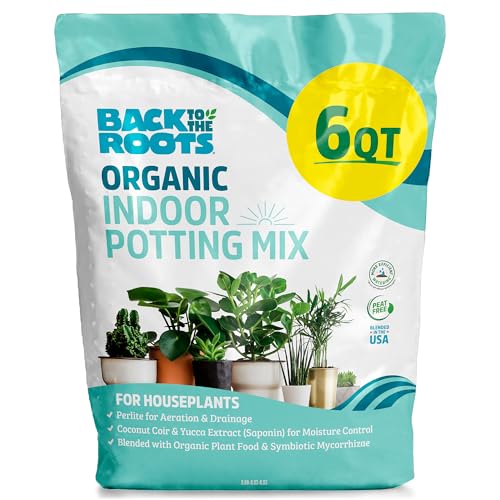
Includes 6qt of Back to the Roots Indoor Potting Mix. Our Potting Mix contains organic yucca extract that aids in retaining moisture in the soil which keeps your indoor plants happy and healthy
Soil Selection
Select high-quality potting mix specifically designed for container gardening. These mixes provide good drainage and aeration, essential for healthy root growth. Aim for a soil that retains moisture without becoming waterlogged. You might blend in some compost to enrich the soil, adding nutrients for better growth. Look for a mix with a pH level around 6.0 to 7.0, which is ideal for lettuce.
Watering Techniques
Water consistently and deeply to keep your lettuce thriving. Check the top inch of soil; if it feels dry, it’s time to water. Use a gentle method, like a watering can or drip irrigation, to avoid disturbing the delicate plants. Aim for around 1 inch of water per week, adjusting for hot weather or dry spells. Avoid letting the soil dry out completely, as lettuce prefers a consistently moist environment. If you notice the leaves wilting, it’s a sign they need more water.
Troubleshooting Common Issues
Growing lettuce in a grow bag can lead to a few challenges. Addressing these common issues ensures a successful harvest.
Pest Control
Pests can threaten your lettuce, even in grow bags. Regularly inspect your plants for signs of aphids, slugs, or caterpillars.
- Insecticidal soap: Spray on affected plants to control soft-bodied insects.
- Diatomaceous earth: Sprinkle around the base of the grow bag to deter slugs.
- Neem oil: Apply as a natural pesticide to manage various pests.
Integrate these methods into your routine to maintain healthy plants. Additionally, companion planting with marigolds or basil can repel pests naturally, enriching your lettuce garden.
Nutrient Deficiencies
Lettuce can show signs of nutrient deficiencies like yellowing leaves or stunted growth. Monitor your plants and address these issues promptly.
- Nitrogen deficiency: If older leaves turn yellow, consider feeding with a nitrogen-rich fertilizer, like fish emulsion.
- Iron deficiency: If younger leaves display yellowing with green veins, apply chelated iron supplements to correct the imbalance.
- Calcium deficiency: If you notice a condition called tip burn, choose a calcium-rich fertilizer.
Regularly testing your soil can help maintain optimal nutrient levels. Use a balance of fertilizers suited for leafy green vegetables to support robust growth.
Conclusion
Growing lettuce in a grow bag is a fantastic way to enjoy fresh greens right from your own space. With the right bag size and quality soil you can create an ideal environment for your lettuce to thrive.
By keeping an eye on watering and managing pests you’ll set yourself up for a successful harvest. Plus the flexibility of grow bags means you can easily adjust their location for sunshine or shelter.
So go ahead and give it a try. You might just find that growing your own lettuce is not only rewarding but also a lot of fun!
Frequently Asked Questions
What are the benefits of using a grow bag for lettuce?
Using a grow bag for lettuce improves drainage and prevents soggy roots, reducing the risk of rot and disease. Grow bags are also portable, allowing you to move your plants for optimal sunlight and protection from harsh weather. This versatility helps maximize the limited gardening space you might have.
What size grow bag should I use for lettuce?
A grow bag of at least 5 gallons is recommended for adequate root development when growing lettuce. If you plan to grow multiple plants, opt for a 10-gallon bag to prevent overcrowding and ensure each plant has enough room to thrive.
Which lettuce varieties are best for grow bags?
Lettuce varieties like ‘Buttercrunch’, ‘Red Romaine’, ‘Little Gem’, and ‘Boston Bibb’ are well-suited for grow bags. These types adapt nicely to container gardening and can offer a successful harvest based on your climate and personal preferences.
What soil should I use for growing lettuce in a grow bag?
For optimal growth, use a high-quality potting mix designed for container gardening. This type of soil ensures good drainage and aeration while retaining moisture, creating a healthy environment for your lettuce to grow.
How often should I water lettuce in a grow bag?
Lettuce requires about 1 inch of water per week. It’s important to maintain a consistently moist environment; wilting leaves indicate a need for more water. Gentle watering methods are recommended to avoid disturbing the plants and their roots.
How can I manage pests when growing lettuce in a grow bag?
To manage pests like aphids and slugs, you can use insecticidal soap, diatomaceous earth, or neem oil. Companion planting with marigolds or basil can also help to naturally repel pests and protect your lettuce plants.
What should I do if my lettuce leaves are yellowing?
Yellowing leaves can indicate nutrient deficiencies. For nitrogen deficiency, use a nitrogen-rich fertilizer. If the leaves are indicating iron deficiency, chelated iron can help. Regular soil testing is essential to maintain the proper nutrient levels for healthy lettuce growth.
