

Ever wondered if you could grow your own lettuce from those store-bought heads? You’re not alone. Many people find themselves with leftover lettuce and think, “Why not try to grow it?” It’s a simple idea that can save you money and give you fresh greens right from your kitchen.
Key Takeaways
- Propagation Method: You can successfully regrow lettuce from store-bought heads by cutting the base and placing it in water or soil to encourage root growth.
- Best Varieties for Regrowth: Romaine, Iceberg, Butterhead, and leaf lettuces are ideal for propagation, with Romaine being particularly robust.
- Selection Criteria: Choose fresh, firm heads with healthy leaves and intact bases for the best chances of successful regrowth.
- Growing Conditions: Provide bright, indirect sunlight, maintain temperatures between 60°F and 70°F, and ensure consistent moisture for optimal growth.
- Regular Maintenance: Change the water regularly and monitor soil moisture to avoid overwatering or underwatering, both of which can harm the plants.
- Patience is Key: Allow about 7 to 10 days for roots to develop, and wait 4 to 6 weeks before harvesting for the best flavor and yield.
Understanding Lettuce Propagation
Growing lettuce from store-bought heads is an easy and rewarding process. Learning how to propagate lettuce can provide fresh greens right from your kitchen.
What Is Lettuce Propagation?
Lettuce propagation involves regenerating lettuce plants from existing lettuce heads. You can achieve this process by cutting the base of the lettuce head and placing it in water or soil. The roots will grow from the base, allowing new leaves to sprout. Typically, romaine and leaf varieties propagate best, but other types can also work with some care.
Benefits of Growing Your Own Lettuce
Growing your own lettuce offers several advantages:
- Freshness: Enjoy crisp, fresh lettuce that tastes better than store-bought varieties.
- Cost-Effectiveness: Reduce grocery bills by using leftover lettuce to grow new plants.
- Sustainability: Minimize waste by repurposing store-bought produce.
- Convenience: Access fresh greens conveniently from your kitchen without frequent trips to the store.
These benefits make lettuce propagation an appealing option for anyone looking to enhance their culinary experience.
Can You Grow Lettuce From Store Bought Lettuce?
Yes, you can grow lettuce from store-bought lettuce. This method allows you to enjoy fresh greens right at home and encourages sustainable practices in your kitchen garden.
Recommended Products

COMPLETE VARIETY PACK: Eight popular lettuce seeds including Buttercrunch, Romaine, Iceberg, Bibb, Red Oakleaf, Prizehead, plus Kale and Spinach; Perfect lettuce seeds for planting outdoors or in hydroponic systems

Complete Lettuce Garden Starter Kit Indoor – 5 heirloom salad and green seed packets, 8 biodegradable soil disks, 8 plant markers, and 8 starter pots. Romaine, Spinach, Arugula, Kale and Buttercrunch lettuce heirloom seeds are the star of the set!

SPACE-SAVING COUNTERTOP HYDROPONIC GARDEN: Compact hydroponic garden tucks neatly under cabinets or on narrow countertops, turning unused nooks into a productive indoor gardening system for small homes and busy cooks.
Types of Store Bought Lettuce Suitable for Propagation
- Romaine Lettuce: Romaine’s thick stems and sturdy leaves make it an excellent candidate for regrowing. You get a good yield from each head.
- Iceberg Lettuce: Iceberg can also regrow, but it may take longer. Ensure you choose heads with healthy, intact bases.
- Butterhead Lettuce: Butterhead lettuce works well for propagation. Its tender leaves and central rosette structure support new growth effectively.
- Leaf Lettuce Varieties: Look for red and green leaf lettuce types. They regrow quickly and can provide multiple harvests.
- Freshness: Choose lettuce with bright, crisp leaves. Wilted or browning leaves indicate reduced viability.
- Solid Base: Select heads with a firm base. A damaged or mushy base reduces the chances of successful regrowth.
- No Pests: Inspect for pests or signs of disease. Healthy heads without noticeable damage yield better results.
- Full Growth: Opt for fully mature heads. Younger heads may not have enough energy reserves to sprout new leaves.
Step-by-Step Guide to Regrowing Lettuce
Regrowing lettuce from store-bought heads is a simple and rewarding process. Follow these steps to enjoy fresh lettuce right at home.
Recommended Products


VIBRANT RED LEAF LETTUCE SEEDS – Distinct curly leaves with rich burgundy color and mild, sweet flavor make Lolla Rossa a standout choice for colorful salads and fresh table greens
Tools and Materials Needed
Gather these essential tools and materials:
- Cutting Knife: A sharp knife makes a clean cut.
- Bowl or Container: Use a shallow bowl or container for root development.
- Water: Fresh, clean water promotes healthy growth.
- Light Source: Natural sunlight or a grow light supports photosynthesis.
- Soil (Optional): If you choose to transplant, get quality potting soil.
The Regrowing Process
Follow these steps for successful regrowth:
- Select Your Lettuce: Choose a head of lettuce with a firm base and healthy leaves.
- Cut the Base: Cut off about 2 inches from the bottom of the lettuce head. Avoid cutting too close to ensure the base remains intact.
- Place in Water: Put the cut base into a bowl or container with about 1 inch of water. Ensure the base touches the water.
- Find a Light Source: Position the container near a sunny windowsill or under a grow light. Daily exposure is crucial for growth.
- Change Water Regularly: Refresh the water every few days to keep it clean and encourage faster root growth.
- Wait for Roots: In about 7 to 10 days, roots will develop. Monitor the growth.
- Transplant (Optional): If desired, after roots grow to about 2-3 inches, transplant the lettuce into soil for continued growth.
- Harvest Leaves: Cut leaves as needed. Regular harvesting encourages new growth.
Following these steps allows you to efficiently regrow lettuce and enjoy fresh greens right at home.
Tips for Successful Lettuce Growth
Successful lettuce growth requires specific conditions and careful attention. By following a few guidelines, you can enjoy a bountiful harvest.
Recommended Products
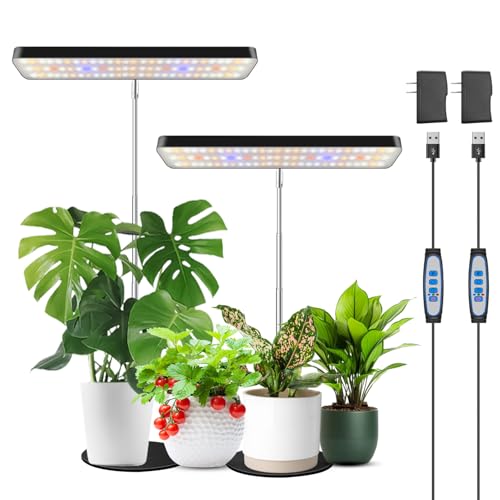
78 LED Like a Little Indoor Sun, Plants Love: This plant grow light features high-efficiency diodes with 78 LED. It emits all wavelengths from 380nm to 800nm, 47 pcs white, 25 pcs warm white, 4 pcs red, 2 pcs blue, suitable for various plants.

FULL SPECTRUM & NATURAL LIGHT: A19 full spectrum grow light appears 4000K white to eyes but has a red/blue light spectrum. Same as natural sun shine, perfect for tomatoes, cucumbers, peppers, leafy greens and herbs at all growth stages.

🌻Efficient LED Combination: This LED lamp has grow lights made up of 80 efficient growing LEDs ( 32 red lights, 12 blue lights,20 yellow lights and 16 white lights). It meets the conditions of plant growth without sunlight. 1--Full Spectrum(380nm-800nm): Suitable for all plants to root and sprout. 2--Red(660nm)+BLUE(460nm) Spectrum: for blooming and fruits. 3--Red+Blue+Full Spectrum: A mix of Red+Blue+Warm White is best to fuel the growth of your plants.
Ideal Growing Conditions
- Light: Place lettuce in bright, indirect sunlight. Aim for at least 12 hours of light daily. A south-facing window works well or consider grow lights if sunlight’s limited.
- Temperature: Maintain a temperature between 60°F and 70°F. Too much heat can cause bolting, while too cold can slow growth.
- Water: Keep the lettuce moist, but not soaked. Water your lettuce when the top inch of soil feels dry. This prevents wilting and encourages healthy root development.
- Soil: Use well-draining potting soil. A mix designed for seedlings or vegetables provides essential nutrients while retaining moisture.
- Space: Provide ample space between cuttings if regrowing multiple heads. Allow at least 6 inches between each plant to promote airflow and growth.
- Ignoring Light Requirements: Failing to provide adequate light leads to leggy, weak plants. Monitor light exposure and adjust if necessary for optimal growth.
- Overwatering or Underwatering: Both extremes harm lettuce. Check soil moisture before watering and adjust to maintain consistent moisture levels.
- Neglecting Temperature: Lettuce thrives in mild conditions. Protect it from extreme heat or frost, as both can stunt growth.
- Using Poor Quality Water: Tap water may contain chlorine or other chemicals. Use filtered or dechlorinated water for the best results.
- Rushing Harvesting: Harvesting too early impacts flavor. Wait until the leaves are fully developed, usually 4 to 6 weeks after planting, for the best taste.
Conclusion
Regrowing lettuce from store-bought heads is not just a fun project but a rewarding way to enjoy fresh greens at home. With a little patience and the right conditions you can turn kitchen scraps into a thriving mini garden.
Remember to keep an eye on light and water levels to avoid common mistakes. Whether you choose to keep them in water or transplant them into soil you’ll be amazed at how quickly your lettuce can flourish.
So go ahead and give it a try. You’ll not only save money but also have the satisfaction of growing your own food right from your kitchen. Happy gardening!
Frequently Asked Questions
What types of lettuce can be regrown from store-bought heads?
You can regrow several types of lettuce, including romaine, iceberg, leaf, and butterhead. These varieties respond well to the regrowing process, making them ideal for home propagation.
How do I start regrowing lettuce from a store-bought head?
Begin by cutting the base of the lettuce head about 1-2 inches from the bottom. Place the cut end in a shallow bowl or glass of water, ensuring the base is submerged while the leaves stay above.
How long does it take for lettuce to regrow?
Lettuce typically takes about 7 to 14 days to start developing roots. After that, you can begin harvesting leaves as they grow, usually within three to four weeks.
What conditions are necessary for successful lettuce growth?
Lettuce thrives in bright, indirect sunlight and prefers temperatures between 60°F and 70°F. Ensure the water is clean and change it regularly to prevent rotting.
Can I transplant my regrown lettuce into soil?
Yes, once the roots are a few inches long, you can transplant your lettuce into soil. Choose a pot with good drainage and place it in a spot with adequate sunlight.
What are common mistakes when regrowing lettuce?
Avoid common pitfalls like insufficient light, overwatering or underwatering, using poor-quality water, and rushing to harvest. Each of these can greatly affect the regrowth quality and yield of your lettuce.
