

Have you ever craved fresh, crisp lettuce in the middle of winter? If you’re dreaming of a year-round salad garden, you’re not alone. Many gardeners wonder if they can grow lettuce all year round in a greenhouse, and the good news is, you absolutely can!
Key Takeaways
- Year-Round Growth is Possible: With the right greenhouse conditions, you can successfully grow lettuce throughout all seasons, including winter.
- Optimal Environmental Conditions: Maintain temperatures between 60°F and 70°F, manage humidity levels between 40-70%, and provide 12-16 hours of light daily for healthy lettuce.
- Choose Suitable Varieties: Select both cool-weather and warm-weather lettuce varieties to ensure continuous harvests; Butterhead, Romaine, and Leaf lettuce are great options for cooler climates.
- Effective Planting and Watering: Use proper planting techniques, such as proper spacing and quality soil, and maintain consistent soil moisture without overwatering to optimize growth.
- Pest and Disease Management: Monitor for common pests and diseases, and employ preventative measures like crop rotation and organic pesticides to maintain plant health.
- Harvesting Techniques Matter: Harvest lettuce at the right time using sharp tools to avoid bruising, encouraging subsequent growth from leaf varieties.
Overview Of Lettuce Cultivation
Lettuce cultivation offers your garden fresh produce throughout the year, especially when grown in a greenhouse. Adjusting the greenhouse environment allows for year-round growth.
Ideal Conditions for Lettuce Growth
Lettuce thrives in cool temperatures, typically between 60°F to 70°F. Here’s how to set the right conditions:
- Temperature Control: Use heaters for colder months and ventilation for warmer periods. Maintain a stable temperature for optimal growth.
- Humidity Management: Aim for humidity levels between 40% and 70%. A hygrometer can help monitor humidity.
- Light Requirements: Ensure lettuce receives 12 to 16 hours of light daily. Use grow lights if natural light is insufficient, especially in winter.
Choosing Lettuce Varieties
Selecting the right lettuce varieties simplifies continuous harvest throughout the year. Consider these options:
- Butterhead: Tender leaves and a sweet flavor.
- Romaine: Crunchy texture, ideal for salads.
- Leaf: Fast-growing and comes in various colors.
Planting Techniques
Implement effective planting techniques for successful cultivation. Here’s what you can do:
- Seeds vs. Transplants: Start with seeds indoors to get a jump on the season or purchase transplants for convenience.
- Spacing: Space plants 6 to 12 inches apart. This helps with airflow and prevents disease.
- Soil Quality: Use well-draining, nutrient-rich soil. A soil pH of 6.0 to 7.0 works best.
Watering Guidelines
Proper watering makes a significant difference in lettuce quality and yield. Follow these best practices:
- Consistent Moisture: Keep the soil consistently moist but not soggy. Check moisture levels frequently.
- Watering Schedule: Water early in the day to reduce evaporation and fungal diseases. Adjust frequency based on the season.
Pest and Disease Management
Monitoring for pests and diseases ensures a healthy crop. Here’s how to stay proactive:
- Common Pests: Watch for aphids and slugs. Use organic pesticides or natural predators when necessary.
- Disease Prevention: Rotate crops annually and avoid over-fertilizing to limit disease risk.
Harvesting Methods
Knowing when and how to harvest enhances your lettuce-growing experience. Consider these tips:
- Timing: Harvest when heads are firm or leaves are vibrant and crisp.
- Technique: Use a sharp knife to cut lettuce at the base. This prevents bruising and promotes additional growth if harvesting leaf varieties.
By maintaining the right environment and practices, you can enjoy fresh, crisp lettuce all year long.
Benefits Of Growing Lettuce In A Greenhouse
Growing lettuce in a greenhouse provides numerous advantages that enhance your gardening experience and yield healthy crops throughout the year.
Controlled Environment
A greenhouse allows for precise control over growing conditions. You can regulate temperature, humidity, and light exposure, creating an ideal environment for lettuce. For instance, maintaining a temperature between 60°F and 70°F supports optimal growth. Moreover, by using supplemental lighting during shorter winter days, you can extend the growing season. This control minimizes stress on your plants, resulting in faster growth and higher yields.
Pest Management
Effective pest management becomes easier in a greenhouse setting. Enclosed environments reduce the risk of pests and diseases found outdoors. You can implement integrated pest management (IPM) strategies, such as introducing beneficial insects like ladybugs and using organic pest repellents. Regularly inspecting plants allows for early detection of any issues, ensuring your lettuce stays healthy. This proactive approach saves time and resources, leading to better crop quality.
Year-Round Lettuce Varieties
Growing lettuce year-round in a greenhouse is possible with the right selection of varieties. You can choose from both cool-weather and warm-weather types to ensure continuous harvests throughout the seasons.
Recommended Products

YEAR-ROUND GARDEN FAVORITE – Dependable butterhead lettuce that thrives in cool or moderate weather for consistent harvests from spring through fall, even under cover in winter

Beautiful – Large premium packet of All the Year Round Lettuce (Lactuca sativa) seeds. A versatile butterhead lettuce that can be grown throughout the season. It forms medium-sized, firm heads with crisp, light-green leaves. Slow to bolt and more heat tolerant than many other lettuce varieties. Minimum of 600 mg per packet (about 600 seeds).

10 LETTUCE VARIETIES – Lettuce (Lactuca sativa) varieties for your garden, including Buttercrunch, Green Salad Bowl, Iceberg, Lolla Rossa, Oakleaf, Parris Island Romaine, All the Year Round, Black Seeded Simpson, Red Romaine, and Red Salad Bowl
Cool-Weather Varieties
Cool-weather varieties thrive in temperatures ranging from 60°F to 65°F. These lettuces tolerate lower temperatures, making them ideal for winter cultivation. Consider these options:
- Butterhead: Known for its tender leaves and sweet flavor, this variety grows well in cooler conditions. Examples include ‘Buttercrunch’ and ‘Boston’.
- Romaine: Crisp and robust, Romaine offers great resistance to bolting. Varieties like ‘Parris Island Cos’ flourish in cooler temperatures.
- Leaf Lettuce: Quick to mature, leaf lettuce allows for multiple harvests. Varieties such as ‘Red Romaine’ and ‘Green Leaf’ provide a variety of colors and textures.
These cool-weather varieties can be planted early in the fall and late in the winter, maximizing your growing season.
Warm-Weather Varieties
Warm-weather varieties prefer temperatures between 70°F and 75°F. When grown in a greenhouse, you can control conditions to extend their growing season. Here are a few to consider:
- Crisphead: This type, like ‘Iceberg’, is popular for its firm heads and crisp texture. It requires slightly warmer temperatures for optimal growth.
- Buttercrunch: A hybrid that adapts well to warmer conditions, Buttercrunch grows quickly and maintains a buttery texture.
- Mesclun Mixes: These blends often contain various leafy greens and may include warm-weather varieties. They grow fast and provide a diverse range of flavors.
When growing warm-weather varieties, aim for planting in late spring or early summer to ensure the best results. Adjust greenhouse temperatures accordingly to create an ideal environment for these lettuces.
Key Considerations For Year-Round Growth
Growing lettuce year-round in a greenhouse involves understanding several critical factors that enhance successful cultivation.
Recommended Products

[After-Sales Support]: We offer tech support, product replacements, and more. Our lights undergo thorough testing before shipping. Despite our best efforts, there might be cases where lights get damaged during transportation, and some may be missing parts or become dirty due to being returned. For after-sales support, please reach out to us with images + text/videos + text, and we will respond within 24 hours(If you don’t know how to contact us, you can read the after-sales support in the manual

3-Tier Greenhouse Kit - The desktop sturdy shelving in this small greenhouse are 23-inches-wide, have 17-inches of height spacing, and hold up to 45lbs each to provide ample room for trays, pots, or planters for small to medium plants.

Unique Exterior Design: This led grow light strip 1ft made in a black casing with aluminum instead of white casing. Make it look even better and more integrated into your fine home furnishings. Dark cords instead of white so as to minimize the observance of cords running through your plant displays
Temperature Control
Maintaining an optimal temperature is vital for lettuce growth. Ideal temperatures range from 60°F to 70°F. During colder months, heating systems effectively maintain warmth inside the greenhouse. Use thermostats to monitor temperatures closely. If temperatures exceed 75°F, consider using shade cloths or ventilation systems to cool the greenhouse.
For example, a basic heating system, like a propane heater, can help keep temperatures stable during winter. This system, when combined with proper insulation, ensures your lettuce remains healthy, even when outside temperatures drop.
Lighting Requirements
Light plays a crucial role in lettuce production. Natural sunlight may not always be sufficient, especially in winter months when days are shorter. Aim for at least 12 to 16 hours of light per day. Supplement with grow lights as necessary. LED grow lights are energy-efficient and produce minimal heat, making them an excellent choice.
Position lights about 12 to 24 inches above your plants for optimal effectiveness. If using fluorescent lights, keep them closer to 6 to 12 inches away.
Consider a lighting schedule that mimics natural daylight, using timers to automate on and off cycles. Consistent lighting promotes steady growth and enhances the flavor of your lettuce.
By controlling temperature and lighting effectively, you can enjoy a bountiful harvest of crisp lettuce throughout the year.
Common Challenges And Solutions
Growing lettuce year-round in a greenhouse presents challenges, but addressing them is straightforward. Here’s a look at common issues and practical solutions.
Recommended Products

COMPLETE VARIETY PACK: Eight popular lettuce seeds including Buttercrunch, Romaine, Iceberg, Bibb, Red Oakleaf, Prizehead, plus Kale and Spinach; Perfect lettuce seeds for planting outdoors or in hydroponic systems

Disease Resistant Salad Romaine : Parris Island Cos gardening seeds produce tall upright romaine lettuce head growth with crunchy midribs and juicy texture. Mosaic tolerant leaf lettuce seeds for planting outdoors thrive in USDA zones 3–9 with strong field performance.
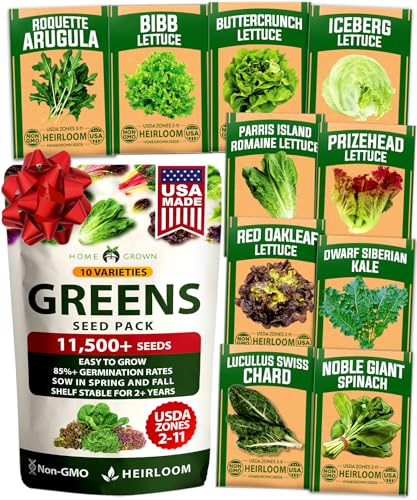
COMPLETE VARIETY PACK: Ten popular lettuce and leafy green varieties; Romaine lettuce seeds, Buttercrunch, Iceberg, Bibb, Red Oakleaf, Prizehead, Kale, Spinach and more; Perfect for organic salad gardens; High 95% germination rate
Disease Management
Diseases can quickly spread in a greenhouse environment. Fungal infections, like downy mildew and powdery mildew, often occur due to high humidity and poor air circulation.
- Implement proper air circulation: Use fans to promote airflow and reduce humidity levels.
- Maintain cleanliness: Regularly clean surfaces, pots, and tools to prevent disease buildup.
- Choose disease-resistant varieties: Opt for lettuce types known for their resistance to common diseases.
Monitor plants regularly for signs of disease. Early detection leads to better management outcomes. Use organic fungicides as a preventive measure or apply them at the first sign of infection.
Nutrient Deficiencies
Nutrient deficiencies can hinder lettuce growth and quality. Common deficiencies include nitrogen, calcium, and potassium.
- Conduct soil testing: Test your soil before planting to determine nutrient levels.
- Use balanced fertilizers: Employ a balanced fertilizer with equal parts nitrogen, phosphorus, and potassium to promote healthy growth.
- Supplement as needed: For calcium deficiency, consider adding lime or gypsum to the soil.
Regularly inspect plants for signs of nutrient deficiencies, such as yellowing leaves or stunted growth. Adjust your fertilization plan according to the observed symptoms. Providing adequate nutrients keeps your lettuce healthy and productive throughout the year.
Conclusion
Growing lettuce year-round in a greenhouse is not just a dream; it’s entirely achievable. By creating the right conditions and choosing the right varieties, you can enjoy fresh lettuce even in the coldest months.
With some attention to temperature, humidity, and light, your greenhouse can be a thriving environment for crisp, delicious greens. Remember to stay vigilant about pests and disease while nurturing your plants.
So get ready to savor the satisfaction of harvesting your own lettuce throughout the year. Happy gardening!
Frequently Asked Questions
Can I grow lettuce year-round in a greenhouse?
Yes, you can grow lettuce year-round in a greenhouse. With proper management of temperature, humidity, and light, you can cultivate fresh lettuce even during winter months.
What are the ideal temperature conditions for growing lettuce?
Lettuce thrives at temperatures between 60°F and 70°F. During colder months, heating systems can help maintain these optimal conditions.
What types of lettuce are best for winter growth?
Cool-weather varieties like Butterhead, Romaine, and Leaf Lettuce are ideal for winter cultivation. They flourish in temperatures between 60°F and 65°F.
How much light do lettuce plants need in winter?
In winter, lettuce requires 12 to 16 hours of light per day. Using energy-efficient LED grow lights can help provide the necessary illumination.
What are effective pest management strategies in a greenhouse?
Utilizing integrated pest management, such as introducing beneficial insects and using organic repellents, can effectively control pests in a greenhouse environment.
How should I space my lettuce plants?
Proper spacing is essential for healthy growth. Aim for about 6 to 12 inches between each plant, depending on the variety, to promote airflow and minimize disease.
How can I ensure a consistent watering routine?
Consistent watering is crucial for lettuce. Monitor soil moisture regularly and water plants deeply but infrequently to avoid overwatering and root rot.
What are some common diseases affecting greenhouse lettuce?
Common diseases include fungal infections like downy mildew. Ensuring proper air circulation, cleanliness, and using disease-resistant varieties can mitigate these risks.
How can I enhance harvesting methods for lettuce?
For better harvesting, cut lettuce at the base using sharp scissors and harvest early in the morning or late afternoon to ensure crispness and freshness.
