

Have you ever thought about growing your own fresh iceberg lettuce but wondered if it’s possible to do it indoors? You’re not alone. Many people dream of having a little garden right in their kitchen or living room, but they’re unsure where to start.
Key Takeaways
- Indoor Viability: Iceberg lettuce can be successfully grown indoors, offering a convenient way to access fresh produce year-round.
- Optimal Conditions: Aim for 12-16 hours of bright light daily and maintain temperatures between 60°F and 70°F to encourage healthy growth.
- Container and Soil Selection: Use containers with drainage holes and a high-quality, well-draining potting mix designed for vegetables to support root development and moisture retention.
- Consistent Watering: Keep the soil consistently moist but not soggy; check moisture levels regularly to prevent root rot.
- Pest Management: Regularly inspect for pests like aphids and spider mites, and use organic treatments such as insecticidal soap or neem oil to manage infestations.
- Harvesting Insights: Harvest heads of lettuce when they are firm and well-formed, cutting them at the base to encourage continued growth.
Can You Grow Iceberg Lettuce Indoors?
Yes, you can grow iceberg lettuce indoors successfully. Follow these guidelines for optimal growth.
Choosing Containers
Select containers with drainage holes to prevent waterlogging. Use pots that are at least 6 to 12 inches deep for proper root development.
Soil Requirements
Use a high-quality potting mix specifically designed for vegetables. Look for mixes that include organic matter and have good drainage properties.
Light Conditions
Provide ample light for your lettuce. Aim for 12 to 16 hours of light daily. Use grow lights or place containers near a south-facing window for natural sunlight.
Watering Techniques
Water your lettuce consistently but avoid overwatering. Soak the soil when it dries out but ensure it doesn’t remain soggy. Checking the soil moisture with your finger can help gauge when to water.
Ideal Temperature
Maintain a temperature between 60°F and 70°F. Iceberg lettuce thrives in cool conditions. If it gets too warm, it might bolt or develop a bitter taste.
Fertilization
Feed your iceberg lettuce with a balanced, water-soluble fertilizer every two to four weeks. Follow the instructions on the label for proper application rates.
Harvesting Tips
Start harvesting once the heads are firm and well-formed. Cut the heads off at the base with a sharp knife. Regular harvesting encourages new growth.
Common Pests
Be aware of common indoor pests like aphids and spider mites. Inspect your plants regularly and use insecticidal soap or neem oil to address infestations promptly.
By following these steps, you stand a good chance of enjoying fresh iceberg lettuce from your indoor garden.
Benefits Of Growing Iceberg Lettuce Indoors
Growing iceberg lettuce indoors offers several advantages. You enjoy fresh produce, save time, and gain control over growing conditions.
Freshness And Flavor
Freshness ranks as a top benefit. Iceberg lettuce grown indoors is harvested at peak ripeness, ensuring crispness and flavor. You can pick your lettuce just before serving, enhancing taste and nutritional value. Homegrown lettuce often tastes better than store-bought options, as commercial varieties may sit in storage for days.
Convenience And Accessibility
Convenience plays a crucial role. Growing iceberg lettuce indoors means easy access to fresh greens. You can snip off leaves whenever you need them without a trip to the grocery store. This setup is especially beneficial during winter months when fresh produce costs more and availability decreases. Plus, indoor gardening eliminates concerns about pesticide residues that often accompany store-bought lettuce.
Ideal Conditions For Indoor Growth
Growing iceberg lettuce indoors requires specific conditions to thrive. Focus on light, temperature, and humidity for optimal results.
Recommended Products
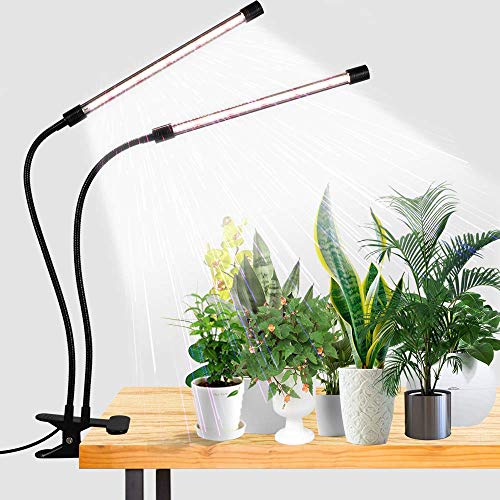
6000K White Light - equipped with 10 Red + 74 White LEDs, this growing Lamp is similar to the full-spectrum sunlight at noon,that is professionally designed for indoor garden plants.Moreover, its color rendering index is as high as 95, the light is soft and flicker-free, which is very suitable for reading lamp
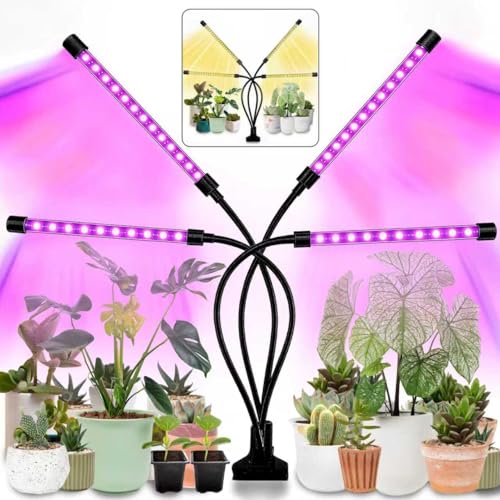
🌻Efficient LED Combination: This LED lamp has grow lights made up of 80 efficient growing LEDs ( 32 red lights, 12 blue lights,20 yellow lights and 16 white lights). It meets the conditions of plant growth without sunlight. 1--Full Spectrum(380nm-800nm): Suitable for all plants to root and sprout. 2--Red(660nm)+BLUE(460nm) Spectrum: for blooming and fruits. 3--Red+Blue+Full Spectrum: A mix of Red+Blue+Warm White is best to fuel the growth of your plants.

Light Requirements
Iceberg lettuce needs plenty of bright, indirect light to grow well indoors. Aim for at least 12 to 16 hours of light each day. Use full-spectrum LED grow lights for the best results. Position the lights about 6 to 12 inches above the plants to mimic natural sunlight. Rotate the pots every few days to ensure even light exposure. If natural light is sufficient, a south-facing window works effectively, but monitor for any signs of scorching.
Temperature And Humidity
Maintain a temperature range of 60°F to 70°F for healthy growth. Temperatures above 75°F can cause lettuce to bolt, resulting in a bitter taste. It’s essential to avoid drastic temperature fluctuations. Aim for humidity levels between 40% and 70%. If the air is too dry, consider using a humidifier or placing a tray of water near the plants. Regularly check the moisture content in the soil to prevent root rot and ensure the lettuce remains hydrated without being overwatered.
Choosing The Right Containers And Soil
Selecting the right containers and soil is essential for growing iceberg lettuce indoors. Proper choices contribute significantly to healthy plant growth and successful yields.
Container Types
- Plastic pots: Lightweight and affordable, plastic pots retain moisture well. Ensure they have drainage holes to prevent overwatering.
- Fabric pots: These breathable containers encourage air circulation and root health. They also help regulate soil temperature.
- Grow bags: Similar to fabric pots, grow bags are easy to move and provide excellent drainage. Opt for sizes like 5 to 10 gallons for optimal lettuce growth.
- Window boxes: For small spaces, window boxes can accommodate multiple plants in a compact area. Choose a length of at least 24 inches for sufficient growing room.
- Quality potting mix: Use a high-quality, well-draining potting mix designed for vegetables. Look for mixes that contain peat moss, perlite, and compost.
- pH balance: Iceberg lettuce thrives in soil with a pH between 6.0 and 7.0. Test the soil occasionally and adjust using lime or sulfur as needed.
- Organic matter: Incorporate organic matter like compost or worm castings. This addition enhances soil fertility and helps retain moisture.
- Moisture retention: Consider adding coconut coir or vermiculite to improve moisture retention within the soil, especially in dry indoor environments.
- Fertilizer-boosted soil: Use soil that includes slow-release fertilizers. These options provide essential nutrients without the risk of over-fertilization.
By choosing appropriate containers and the right soil mix, you set the stage for thriving iceberg lettuce plants in your indoor garden.
Care And Maintenance Tips
Growing iceberg lettuce indoors requires careful attention to watering and pest management. Following these tips ensures healthy plants and a successful harvest.
Recommended Products

The Best Value - Organo Republic Lettuce Iceberg Seeds Pack contains 3g or 3,100 Non-GMO heirloom lettuce seeds. Iceberg Lettuce (Lactuca sativa var. capitata) is known for its crisp texture and mild flavor, making it the perfect addition to fresh vegetable salads or culinary creations.

High Germination Rate: Enjoy a plentiful harvest with our Iceberg Lettuce seed pod featuring excellent germination. Fresh, reliable seeds sourced from USA ensure quick sprouting and healthy growth.

FIVE FLAVORFUL VARIETIES FOR A COMPLETE SALAD GARDEN SOLUTION. This lettuce seed pack includes black seeded simpson, red romaine, bibb, buttercrunch, and iceberg. Perfect for salads, wraps, smoothies, and toppings with fresh, homegrown flavors year-round.
Watering Routine
Monitor moisture levels closely. Lettuce prefers consistent moisture without soggy soil. Water when the top inch of soil feels dry. Use room temperature water to avoid shocking the plants. When watering, aim at the base to prevent wetting the leaves, which can lead to mold. Incorporate a drip tray under your containers to catch excess water and promote proper drainage.
Pest Management
Inspect your plants regularly for pests. Common pests like aphids and spider mites can affect lettuce growth. Use insecticidal soap or neem oil as preventative measures. Spray in the early morning or late evening to avoid harming beneficial insects. Remove any infested leaves promptly to prevent spreading. Implement companion planting methods by placing herbs like basil or mint nearby to deter pests naturally.
Conclusion
Growing iceberg lettuce indoors can be a rewarding experience. With the right containers and quality soil you can create an ideal environment for your plants.
By paying attention to watering and pest management you’ll set yourself up for a bountiful harvest. Enjoy the satisfaction of picking fresh lettuce right from your home.
So go ahead and give it a try. You might just discover a new favorite hobby.
Frequently Asked Questions
How do I start growing iceberg lettuce indoors?
To grow iceberg lettuce indoors, select suitable containers like plastic pots or grow bags. Ensure you use high-quality potting mix for proper drainage and nutrients.
What type of container is best for indoor lettuce?
The best containers for indoor lettuce are plastic pots, fabric pots, grow bags, and window boxes. Choose containers with good drainage to promote healthy root growth.
What kind of soil do I need for indoor lettuce?
Use a high-quality potting mix rich in nutrients and designed for good drainage. This helps maintain moisture levels vital for iceberg lettuce growth.
How often should I water indoor lettuce?
Water your indoor lettuce regularly to maintain consistent moisture. Check the soil daily, and water when the top inch feels dry to prevent stress on the plants.
How can I prevent pests on my indoor lettuce?
To prevent pests like aphids and spider mites, regularly inspect your plants, keep the area clean, and consider using insecticidal soap or neem oil as a preventative measure.
