

Ever wondered if you can grow carrots without direct sunlight? Picture this: You’re eager to cultivate your own crunchy, vibrant carrots, but sunlight is a luxury in your living space. Don’t fret! This article is your guide to exploring the possibility of growing carrots even in the shade.
Understanding Carrot Growth Requirements
When growing carrots, it’s crucial to understand their basic needs to ensure successful cultivation. Here are some key factors to consider:
- Sunlight: Carrots prefer full sun but can tolerate partial shade. Aim for at least 4-6 hours of sunlight daily for optimal growth.
- Soil: Choose well-draining soil that is loose and free of rocks to promote straight root development.
- Water: Carrots need consistent moisture to prevent cracking and promote even growth. Avoid overwatering to prevent rot.
- Temperature: Carrots thrive in cool temperatures between 60-70°F for best results. Protect them from extreme heat to prevent bitterness.
- Nutrients: Provide a balanced fertilizer high in potassium for healthy foliage and phosphorus for root development.
- Spacing: Plant carrot seeds 1-3 inches apart in rows with 12-24 inches between rows to allow room for growth.
By meeting these requirements, you can cultivate flavorful and vibrant carrots even in shaded conditions.
Factors to Consider When Growing Carrots Without Direct Sunlight
When growing carrots without direct sunlight, there are several key factors to bear in mind to ensure successful growth and yields:
- Light Intensity: Opt for areas with bright indirect light or dappled shade to promote healthy carrot growth.
- Soil Quality: Use loose, well-draining soil rich in organic matter to provide proper aeration and moisture retention.
- Watering: Maintain consistent moisture levels in the soil to support carrot development, avoiding waterlogging or drying out.
- Temperature: Aim for cool temperatures around 60-70°F (15-21°C) for optimal carrot growth without direct sunlight.
- Nutrients: Apply a balanced fertilizer rich in potassium, phosphorus, and nitrogen to nourish the carrot plants.
- Spacing: Ensure proper spacing of 2-4 inches (5-10 cm) between carrot seeds or seedlings to prevent overcrowding.
By considering these crucial factors, you can cultivate healthy and flavorful carrots even in shaded environments.
Choosing the Right Container and Soil for Shade-grown Carrots
When selecting containers for growing carrots in shaded areas, opt for deep pots that allow for root development. Consider containers that are at least 12 inches deep to accommodate the long taproots of carrots.
Drainage is key. Ensure your chosen container has holes at the bottom to prevent waterlogging, which can lead to root rot. For improved drainage, you can mix sand or perlite into your soil mixture.
Regarding soil, aim for a well-draining option to prevent water stagnation. Choose soil that is light, loose, and rich in organic matter. A potting mix specifically designed for vegetables can be a good choice.
Moisture is vital. Check your soil regularly to maintain consistent moisture levels, especially in shaded environments where the soil may not dry out as quickly. Water your carrots deeply and less frequently to encourage root growth.
Consider adding a layer of mulch on top of the soil to help retain moisture and regulate soil temperature. This can be particularly beneficial in shaded areas where moisture evaporation is slower.
Remember, the right container and soil combination for shade-grown carrots can make a significant difference in the success of your carrot cultivation.
Recommended Products

[Enhanced Soil Aeration] - Perlite improves soil aeration, allowing roots to access oxygen more efficiently, which is crucial for healthy plant growth.

ALL-NATURAL MIX: Burpee Organic Premium Potting Mix is formulated with plant food & coconut coir to promote seed & root growth and healthy flower, vegetable & herb plants. OMRI Listed for organic use.

OUTDOOR POTTING SOIL: Miracle-Gro Organic Outdoor Potting Mix contains a quick-release natural plant fertilizer and also feeds plants for up to 2 months
Implementing Alternative Light Sources for Carrot Growth
To grow carrots without direct sunlight, implementing alternative light sources is crucial. Here are some effective methods to provide adequate light for your carrot plants:
- LED Grow Lights: Opt for full-spectrum LED grow lights that mimic natural sunlight for optimal carrot growth. Place the lights close to the plants for maximum benefit.
- Fluorescent Grow Lights: Consider using fluorescent grow lights, particularly cool white or daylight bulbs, which provide a balanced spectrum of light essential for photosynthesis.
- Indirect Sunlight: If direct sunlight is scarce, position your containers in locations that receive indirect sunlight throughout the day. Placing them near a window or in a well-lit room can help.
- Reflective Surfaces: Enhance light distribution by placing reflective surfaces, such as mirrors or whiteboards, near your carrot plants. This can redirect and amplify the available light for better growth.
- Lighting Duration: Carrot plants typically require 12-16 hours of light per day for healthy growth. Ensure a consistent lighting schedule to support their photosynthesis process effectively.
- Monitoring Plant Response: Keep an eye on your carrot plants for any signs of light deficiency, such as stunted growth or yellowing leaves. Adjust the light source or duration if needed to meet their requirements.
By incorporating these alternative light sources and practices, you can successfully cultivate carrots even in shaded environments. Remember, providing the right amount and quality of light is key to thriving carrot plants without direct sunlight.
Tips for Successfully Growing Carrots Without Direct Sunlight
- Choose the Right Container: Opt for deep planters to accommodate carrot roots without crowding.
- Select the Ideal Varieties: Look for “Nantes,” “Chantenay,” or “Danvers” carrot varieties known for thriving in low-light conditions.
- Maintain Moist Soil: Regularly water your carrots to keep the soil consistently moist.
- Use Quality Potting Mix: Ensure your carrots have access to nutrient-rich soil for healthy growth.
- Monitor Growth: Keep an eye on your carrots’ progress and adjust care as needed.
- Rotate Containers: Rotate your planters to promote uniform growth and light exposure.
- Consider Companion Planting: Pair carrots with compatible plants such as lettuce, radishes, or spinach for mutual benefits.
- Avoid Overcrowding: Plant carrots at recommended distances to prevent competition for resources.
- Harvest Timely: Harvest carrots at their peak freshness to enjoy optimal taste and texture.
| Key Points |
|---|
| Choose deep planters. |
| Select suitable carrot varieties like “Nantes” or “Chantenay.” |
| Keep soil consistently moist. |
| Ensure nutrient-rich potting mix. |
| Monitor growth progress. |
| Rotate planters for even light exposure. |
| Consider companion planting. |
| Avoid overcrowding. |
| Harvest carrots at peak freshness. |
Recommended Products
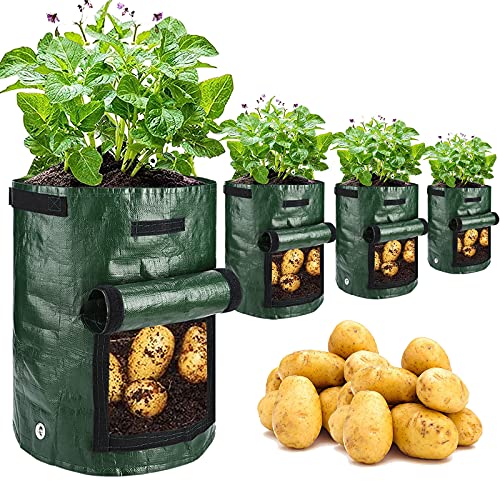
4 Pack, 10 Gallon, 13.7 x 17.7 inch ( 35 x 45 cm ), made of strong and durable PE

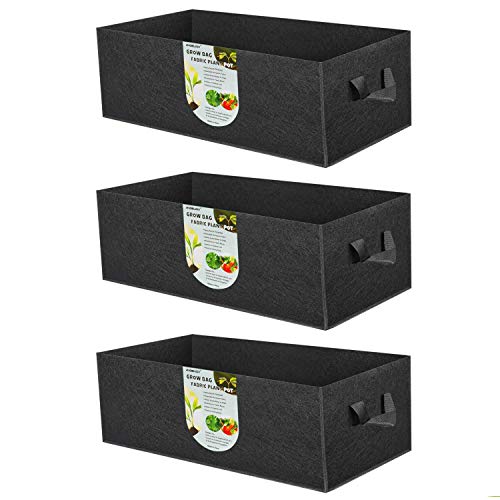
SIZE & APPLICATION: Pack with 3PCS 30 Liters planter bags, which sizes: 19.69in x 11.81 in x 7.87in / 50cm x 30cm *20cm (L x W x H), These pots are suitable for indoor or outdoor using , ideal for patios, small gardens, balconies, sun rooms, and any outdoor space, good for planting potato, taro, radish, carrots, onions, and many other vegetables,fruit,flowers, small trees.
Conclusion
Growing carrots without direct sunlight is definitely achievable with the right strategies in place. By following the tips shared in this article, you can create a conducive environment for your carrots to flourish even in shaded areas. Remember to prioritize deep planters, suitable carrot varieties, consistent moisture, quality potting mix, attentive monitoring, container rotation, companion planting, proper spacing, and timely harvesting. These simple yet effective practices will help you nurture healthy carrots and enjoy a bountiful harvest, proving that sunlight isn’t always a limiting factor in your gardening endeavors. Happy gardening!
Frequently Asked Questions
Can carrots grow without direct sunlight?
Yes, carrots can grow without direct sunlight by choosing deep planters, selecting suitable varieties, keeping soil moist, using quality potting mix, monitoring growth, rotating containers, considering companion planting, avoiding overcrowding, and harvesting at peak freshness.
What are the key tips for successfully growing carrots in shaded environments?
Key tips for growing carrots in shaded environments include choosing deep planters, selecting appropriate varieties, maintaining moist soil, using quality potting mix, monitoring growth, rotating containers, considering companion planting, avoiding overcrowding, and harvesting when carrots are at peak freshness.
How can I ensure healthy carrot growth in shaded areas?
To ensure healthy carrot growth in shaded areas, provide optimal care by selecting deep planters, choosing suitable varieties, keeping soil moist, using quality potting mix, monitoring plant growth, rotating containers, considering companion planting, preventing overcrowding, and harvesting carrots at their peak freshness.
What practices support the successful growth of carrots in areas with limited sunlight?
Practices that support successful carrot growth in areas with limited sunlight include using deep planters, selecting appropriate varieties, maintaining soil moisture, using quality potting mix, monitoring growth, rotating containers for even lighting, considering companion planting, preventing overcrowding, and harvesting carrots when they are at their peak freshness.
