

Benefits of Growing Beets from a Beet
When it comes to growing beets from a beet, the benefits are numerous and rewarding. Here’s why you should consider this approach:
- Cost-Effective: Growing beets from a beet saves you money that you would have spent on buying seeds.
- Sustainability: It promotes sustainability as you can reuse the beet from your kitchen to grow more.
- Educational: It provides a hands-on learning experience for aspiring gardeners or those looking to teach children about plant growth.
- Convenience: It’s convenient as you can easily start the growing process with minimal supplies.
- Taste: The satisfaction of harvesting and eating beets grown from your own beet is incomparable.
With these benefits in mind, you can enjoy a fun and cost-effective gardening experience by growing beets from a beet, right in your own backyard.
Steps to Grow Beets from a Beet
Growing beets from a beet is a fun and rewarding experience that anyone can enjoy. Here are the steps to get you started:
- Choose a Beet: Select a healthy beet from your kitchen. Look for one with the greens still attached for better results.
- Prepare the Beet: Cut off the top of the beet, leaving a small portion of the greens. Place the beet in water, submerging the cut side.
- Watch for Growth: Change the water every couple of days and keep an eye out for sprouts emerging from the top of the beet.
- Plant the Beet: Once the sprouts are about 2 inches long, plant the beet in a pot with well-draining soil.
- Care for Your Plant: Place the pot in a sunny spot and water regularly, ensuring the soil remains moist but not waterlogged.
- Harvest Your Beets: In about 8-10 weeks, you should have fully grown beets ready to harvest and enjoy!
Ideal Conditions for Growing Beets from a Beet
To ensure successful growth when growing beets from a beet, it is essential to provide ideal conditions for your plant. Here are some key factors to consider:
- Soil: Opt for well-draining soil to prevent waterlogging, which can cause rot and hinder growth.
- Sunlight: Choose a sunny spot with at least 6-8 hours of sunlight daily for optimal beet development.
- Watering: Water regularly to keep the soil moist but not waterlogged, especially during dry periods.
- Temperature: Beets thrive in cool to moderate temperatures, ideally between 50-75°F (10-24°C).
Creating these ideal conditions will set the stage for a successful beet-growing experience.
Recommended Products

Complete Vegetable Garden Selection: Includes fifteen premium heirloom vegetable seeds varieties such as Contender Beans, Waltham Broccoli, Blue Scotch Kale, and Marglobe Tomatoes; Perfect for home gardens, providing diverse food seeds for planting vegetables and fruits

7 Varieties of Premium Seeds: Includes a diverse selection of non-GMO heirloom root vegetables including 3 different onion varieites, carrot, radish, beet, and turnip.

12-LED GROW LIGHT PER TRAY — Each of the five seed starting trays features a full-spectrum grow light with 12 LED beads, providing supplemental light for indoor seedlings.
Common Mistakes to Avoid When Growing Beets from a Beet
Overcrowding:
- Planting beets too close together can lead to stunted growth and competition for nutrients.
Inconsistent Watering:
- Beets require consistent moisture. Not watering enough can result in small, tough roots, while overwatering can cause rot.
Poor Soil Quality:
- Planting in compacted soil can hinder root development. Ensure the soil is loose and well-draining for optimal growth.
Skipping Thinning:
- Failing to thin young beet seedlings can lead to overcrowding and small roots. Thin seedlings to about 3-4 inches apart.
Ignoring Pests:
- Common pests like aphids and leaf miners can damage beet plants. Regularly inspect and address any pest issues promptly.
- Harvesting beets too late can result in woody, bitter roots. Check for mature size and harvest at the right time for best flavor.
- Continuously planting beets in the same spot can deplete the soil of nutrients. Rotate crops to maintain soil health.
| Fact | Data |
|---|---|
| Optimal Growth Time | 8-10 weeks |
| Sunlight Needed | 6-8 hours daily |
| Temperature Range | 50-75°F |
Recommended Products

BOLD COLOR & FLAVOR – Sprout beet microgreens to a pop of deep red and a mild, earthy sweetness for topping salads, wraps, and plates, turning every homegrown harvest into a fresh, colorful accent

NUTRIENT-DENSE INDOOR HARVESTS – Grow flavorful microgreens at home in just 7–14 days with this seed variety pack yielding nutrient-rich greens year-round for topping salads, smoothies, sandwiches, and more
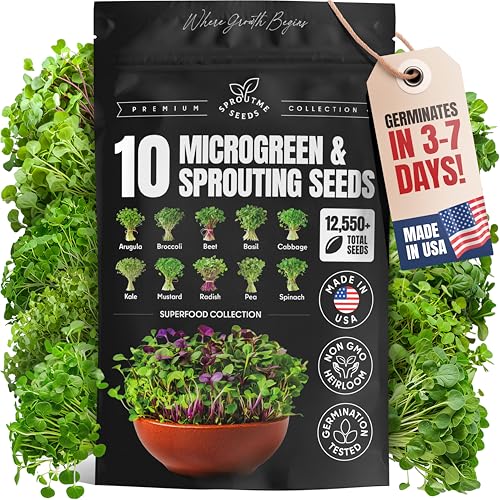
10-Variety Microgreen & Sprouting Seed Mix Includes arugula, beet, basil, broccoli, cabbage, kale, mustard greens, pea, radish, and spinach selected for easy home growing and fast, reliable sprouting.
Tips for Maximizing Beet Growth
When growing beets from a beet, thinning seedlings is crucial for proper development. Aim to space them about 3-4 inches apart to prevent overcrowding.
Consistent watering is key to healthy beet growth. Ensure the soil is moist but not waterlogged. A 1-2 inch layer of mulch can help retain moisture.
Address pests promptly to protect your beets. Keep an eye out for common invaders like aphids or beetles, and consider natural remedies to keep them at bay.
For optimal growth, harvest beets at the right time. They are typically ready for harvest when they reach 1-3 inches in diameter.
Remember to rotate your crops. Avoid planting beets in the same spot year after year to prevent soil depletion and pest build-up.
| Optimal Growth Time | 8-10 weeks |
|---|---|
| Sunlight Needed | 6-8 hours |
| Temperature Range | 50-75°F |
Recommended Products
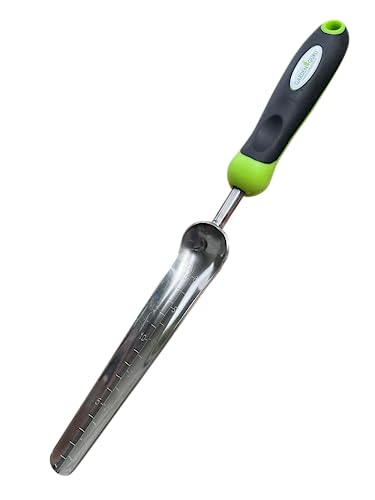
PERFECT SEED PLANTING TROWEL – Narrow edge to easily fit in small spaces. Ideal for planting seeds and transplanting small plants, vegetables, flowers in narrow and hard to reach spaces.
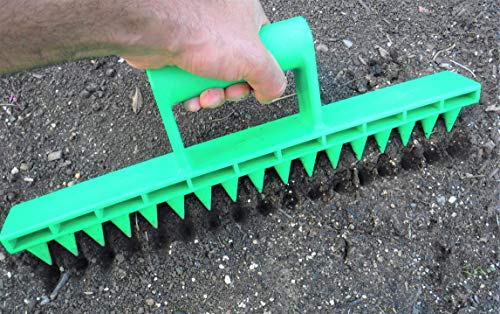
The newest and coolest garden tool that allows gardeners to simultaneously create seventeen evenly-spaced holes in the soil for planting seeds and seedlings.

Made of plastic, Simple and easy to use of the plant sow seeds dispenser
Conclusion
Growing beets from a beet can be a fulfilling journey. Remember to give your seedlings enough space, keep them well-watered, and watch out for pests. Harvest your beets at the right size and rotate your crops regularly. With the right care, your beets can thrive in 8-10 weeks. Enjoy the process and savor the satisfaction of growing your own delicious beets!
Frequently Asked Questions
1. How far apart should I thin beet seedlings?
Thin beet seedlings to 3-4 inches apart to ensure they have enough space to grow properly.
2. What is the key to watering beets?
Consistent watering is important for beets, but be sure not to waterlog the soil, as it can harm their growth.
3. How should I address pests like aphids on my beets?
Promptly addressing pests like aphids by using organic pest control methods is essential to prevent damage to your beets.
4. When is the right time to harvest beets?
Harvest beets when they reach a diameter of 1-3 inches to enjoy them at their peak flavor and texture.
5. How can I prevent soil depletion and pest build-up?
Rotating crops regularly helps prevent soil depletion and the build-up of pests, ensuring healthier beet growth.
6. How long does it take for beets to grow optimally?
Beets typically take 8-10 weeks to reach optimal growth, given they receive 6-8 hours of sunlight daily and temperatures between 50-75°F.
