

Ever wondered if you can grow juicy tomatoes right in the comfort of your own home? Picture this: You wake up, stroll over to your kitchen, and pluck fresh tomatoes for your morning omelette. Sounds appealing, doesn’t it? In this article, we’ll explore the exciting possibility of growing tomatoes indoors.
Imagine having access to vibrant red tomatoes all year round without worrying about weather conditions or outdoor space limitations. By discovering how to cultivate tomatoes inside, you can elevate your cooking experience and enjoy the satisfaction of harvesting produce from your indoor garden.
Get ready to uncover practical tips and tricks that will empower you to nurture thriving tomato plants within the cozy confines of your home. Let’s embark on a journey together as we explore the art of cultivating delicious tomatoes indoors.
Key Takeaways
- Indoor tomato cultivation is a viable option for year-round fresh tomatoes, focusing on light, temperature, and humidity control.
- Choose tomato varieties wisely based on space and lighting conditions – consider dwarf vs. standard and heirloom vs. hybrid options.
- Necessary equipment for indoor tomato growing includes containers with proper drainage, LED grow lights, and watering systems.
- Follow steps like seed starting, transplanting, daily care, and maintenance to ensure successful indoor tomato cultivation.
- Address common challenges like pests and diseases by inspecting plants regularly and optimizing pollination through manual methods or airflow assistance.
The Viability of Indoor Tomato Cultivation
Indoor tomato cultivation is a viable option for those looking to enjoy fresh tomatoes year-round, regardless of outdoor limitations. Let’s explore the key factors that contribute to successful indoor tomato growth.
Assessing Light Requirements
To thrive indoors, tomato plants need ample light, ideally 10-12 hours of direct sunlight daily. If natural light is insufficient, supplement with grow lights to ensure proper growth and fruit production. Place your plants near a south-facing window or utilize artificial lighting for optimal results.
Temperature and Humidity Control
Maintaining the right temperature and humidity levels is crucial for indoor tomato plants. Aim for daytime temperatures around 70-75°F (21-24°C) and slightly cooler nights. Keep humidity levels between 60-70% to prevent issues like blossom end rot. Consider using a thermometer and hygrometer to monitor conditions accurately.
By addressing these essential aspects of light, temperature, and humidity, you can create an ideal environment for successfully growing tomatoes indoors throughout the year.
Choosing the Right Tomato Varieties for Indoor Cultivation
When selecting tomato varieties for indoor growing, consider factors that can impact their growth and fruit production. Here’s a breakdown of different types to help you choose the right one for your indoor garden.
Recommended Products

PERFECT FOR SMALL SPACES – Tiny Tim’s compact plants thrive on patios, balconies, or sunny windowsills, giving you fresh cherry tomatoes even without a traditional vegetable garden plot

PERFECT FOR SMALL SPACES – Grow juicy, bite-sized cherry tomatoes in the smallest of spaces! Tiny Tim thrives in containers, patios, and even sunny windowsills, making it the ideal choice for home gardeners who love fresh, homegrown flavor without a large garden.
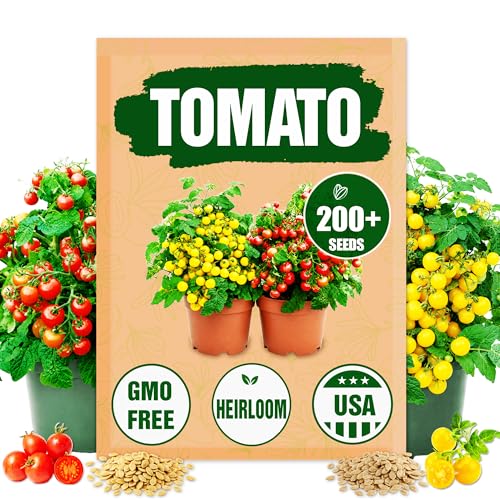
🌱 200+ Premium Tomato Seeds: Includes 100+ red and 100+ yellow Tiny Tim dwarf cherry tomato seeds. Perfect for gardeners who love variety, color, and productivity in compact spaces.
Dwarf vs. Standard Varieties
Opt for dwarf tomato varieties if you have limited space as they are compact and suitable for container gardening. These smaller plants typically reach around 2-4 feet in height and can be grown on windowsills or small shelves.
On the other hand, standard tomato varieties are larger plants that require more vertical space to grow. They are ideal if you have taller indoor areas or dedicated grow lights to provide sufficient light for their growth.
Heirloom and Hybrid Options
Heirloom tomatoes are open-pollinated varieties that have been passed down through generations due to their unique flavors and characteristics. Consider growing heirlooms indoors if you’re looking for diverse colors, shapes, and tastes in your tomatoes.
Hybrid tomatoes, on the other hand, are bred from crossing two different parent plants to create specific traits like disease resistance or higher yields. Opting for hybrid options can ensure consistent growth and productivity in an indoor setting where conditions may be controlled but limited compared to outdoor environments.
Choose your tomato varieties wisely based on your available space, lighting conditions, and desired taste preferences to enjoy a successful indoor cultivation experience.
Necessary Equipment for Growing Tomatoes Indoors
To ensure successful indoor tomato cultivation, you’ll need specific equipment tailored to the needs of your plants. Here’s what you’ll need:
Recommended Products

SOLAR & USB DUAL POWER: Enjoy truly automated watering with dual charging options! Powered by a high-efficiency solar panel and a built-in 2000mAh battery, it provides continuous operation for outdoor gardens. It also features a Type-C USB port as a backup power source for indoor use or during extended cloudy weather

Customizable Watering Schedules: Moistenland drip irrigation kits come with timers that allow you to set specific watering schedules. You can program the system to water your plants at the optimal times, even when you're not around. What's more, with internal clock, you can set a when you want to start to watering plants.

【Indoor & Outdoor Versatility, All-Season Smart Irrigation】:HEKIWAY Designed for year-round convenience, this automatic drip irrigation system works seamlessly both indoors and outdoors. During winter, simply charge it via the Type-C port to ensure continuous watering for your indoor plants—even in cold weather. In warmer seasons, the solar panel powers the system automatically, delivering worry-free, energy-efficient watering all day long
Containers and Grow Pots
When growing tomatoes indoors, choose containers that are at least 5 gallons in size to provide ample space for root growth. Opt for pots with drainage holes to prevent waterlogging, promoting healthy roots. Consider using fabric grow bags as they offer good aeration and drainage, crucial for indoor tomato plants.
Grow Lights and Watering Systems
Invest in full-spectrum LED grow lights to mimic natural sunlight for your indoor tomatoes. Position the lights about 6-12 inches above the plants and adjust the height as they grow. For watering, consider using a drip irrigation system or self-watering containers to maintain consistent moisture levels without overwatering. Monitor soil moisture regularly to ensure optimal growing conditions for your indoor tomato crop.
Steps to Growing Tomatoes Indoors
Growing tomatoes indoors can be a rewarding experience, providing you with fresh produce right from your home. To ensure successful indoor tomato cultivation, follow these steps:
Seed Starting and Transplanting
When starting your tomato plants indoors, begin by planting seeds in seed-starting trays filled with a quality seed-starting mix. Make sure the seeds are placed at the recommended depth for germination. Keep the soil consistently moist but not waterlogged.
After the seeds have sprouted and developed their first set of true leaves, it’s time to transplant them into individual containers. Choose containers that are at least 5 gallons in size and have proper drainage holes to prevent waterlogging.
Daily Care and Maintenance
To care for your indoor tomato plants, place them in a location that receives ample sunlight or supplement with full-spectrum LED grow lights positioned correctly above the plants. Rotate the containers regularly to promote even growth.
Water your tomato plants consistently, ensuring that the soil remains evenly moist but not soggy. Consider using a drip irrigation system to maintain optimal moisture levels without overwatering.
Common Challenges and Solutions
Dealing with potential challenges when growing tomatoes indoors is essential for a successful harvest. Here are some common issues you might encounter and practical solutions to overcome them.
Recommended Products
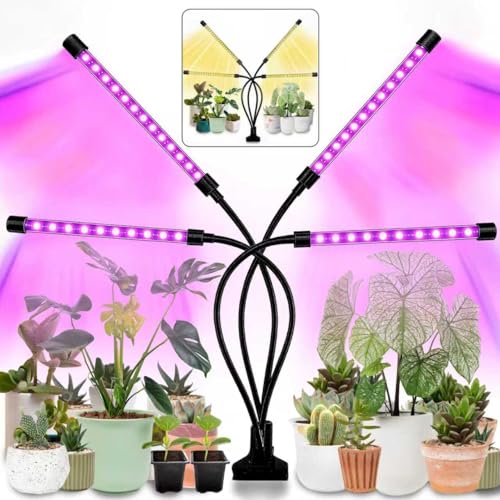
🌻Efficient LED Combination: This LED lamp has grow lights made up of 80 efficient growing LEDs ( 32 red lights, 12 blue lights,20 yellow lights and 16 white lights). It meets the conditions of plant growth without sunlight. 1--Full Spectrum(380nm-800nm): Suitable for all plants to root and sprout. 2--Red(660nm)+BLUE(460nm) Spectrum: for blooming and fruits. 3--Red+Blue+Full Spectrum: A mix of Red+Blue+Warm White is best to fuel the growth of your plants.

【Newest Grow Light】The appearance of the lamp head adopts patentable mold technology and incorporates exclusive design concepts. The back plate has a unique pattern and premium texture which is not easily scratched. The holes in the back are specially reserved for heat dissipation space, saying goodbye to the heating problem during the use of the lamp.
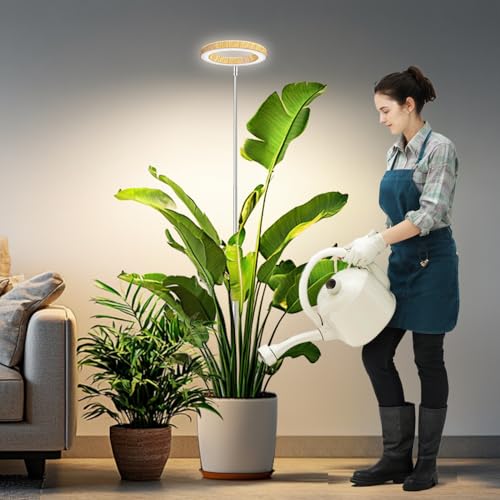
Elegant Faux Woodgrain Design: This halo grow light has a unique faux woodgrain design that complements any interior space. Compared with other plant lamps using bamboo materials, ours will not crack or fall off. Whether it’s used as a light for indoor plants or adding a stylish content to your home decor, this plant lamp is both practical and beautiful
Managing Pests and Diseases
Pests and diseases can quickly damage your indoor tomato plants if not addressed promptly. To prevent infestations, regularly inspect your plants for any signs of trouble. Common pests like aphids, whiteflies, and spider mites can be controlled by introducing beneficial insects such as ladybugs or using organic insecticidal soap.
For fungal diseases like powdery mildew or blight, ensure good air circulation around your plants by spacing them appropriately. Avoid overhead watering to reduce moisture on leaves, which can contribute to disease development. If an infection occurs, remove affected plant parts promptly to prevent further spread.
Optimizing Pollination
Indoor tomato plants may struggle with pollination due to the absence of outdoor pollinators like bees. To ensure proper pollination, gently shake the flower clusters of your tomato plants daily to release pollen and facilitate self-pollination. You can also use a small paintbrush to transfer pollen between flowers if needed.
Consider setting up a small fan near your plants to mimic the wind’s natural role in pollination. This airflow can help disperse pollen within the flowers, increasing the chances of successful fertilization. By taking these proactive measures, you can enhance pollination rates and boost fruit set in your indoor tomato garden.
Remember that addressing challenges proactively and implementing targeted solutions will help you maintain healthy tomato plants indoors and enjoy a bountiful harvest.
Conclusion
Growing tomatoes indoors is an exciting and rewarding experience that allows you to enjoy fresh, homegrown produce year-round. By understanding the key factors like light, temperature, and humidity control, as well as choosing the right tomato varieties, you can successfully cultivate tomatoes inside your home. Using proper equipment such as containers with drainage and LED grow lights is essential for optimal growth. Remember to provide consistent moisture levels, adequate lighting, and regular care to ensure healthy plants. Addressing challenges like pests and diseases promptly with effective solutions will help you maintain thriving tomato crops. By implementing proactive measures and optimizing pollination techniques indoors, you can nurture robust tomato plants and achieve a bountiful harvest in your indoor garden. Happy growing!
Frequently Asked Questions
1. What factors are crucial for successful indoor tomato cultivation?
Proper lighting, controlled temperature, humidity levels, and selecting suitable tomato varieties are key factors for successful indoor tomato cultivation.
2. What equipment is essential for growing tomatoes indoors?
Containers with drainage holes, LED grow lights, and watering systems are essential equipment for indoor tomato cultivation.
3. What steps are involved in growing tomatoes indoors?
Steps include seed planting, transplanting, maintaining consistent moisture levels, providing proper lighting, and regular care for healthy growth.
4. How can pests and diseases be managed when growing tomatoes indoors?
Managing pests and diseases involves using beneficial insects, maintaining good air circulation, and proactive measures to prevent infestations.
5. How can pollination be optimized indoors for tomato plants?
Optimizing pollination involves methods like shaking flower clusters gently or using fans to enhance fertilization for better fruit development.
