

Ever wondered if your garden could be even more productive by planting onions and beans together? Picture this: you’re in your backyard, envisioning a lush vegetable patch bursting with fresh produce. What if I told you that planting onions and beans side by side might just be the key to maximizing your harvests?
Key Takeaways
- Planting onions and beans together can create a symbiotic relationship that enhances growth and acts as a natural pest control system.
- Onions benefit from nutrient-rich soil, while beans fix nitrogen in the soil, making them suitable companions with complementary needs.
- Proper spacing and timing are crucial for successful co-cultivation of onions and beans to avoid competition for resources.
- Understanding the nutritional requirements, soil preferences, and potential challenges like disease risks is essential for maintaining a harmonious onion-bean duo in your garden.
Benefits of Companion Planting
Improved Pest Control
When you plant onions and beans together, you’re not just reaping the benefits of a bountiful harvest; you’re also creating a natural pest control system. Onions are known for their ability to repel pests like aphids, while beans fix nitrogen in the soil, which boosts overall plant health. This dynamic duo acts as a protective barrier against unwanted insects that could harm your crops.
To illustrate this further, imagine your garden as a fortress where onions stand guard at the perimeter, deterring invaders with their pungent aroma, while beans work behind the scenes to strengthen the fort’s defenses by enriching the soil. By strategically planting these two crops together, you create a symbiotic relationship that not only promotes growth but also wards off potential threats effectively.
Enhanced Growth
The synergy between onions and beans goes beyond pest control—it extends to enhancing the growth of both plants. Onions have shallow roots that occupy the topsoil, allowing them to coexist harmoniously with deeper-rooted plants like beans. Beans, on the other hand, are legumes that fix nitrogen in the soil through a beneficial partnership with rhizobia bacteria.
Picture your garden as a bustling community where each member plays a vital role: onions provide ground cover and discourage weed growth around taller bean plants, while beans contribute essential nutrients back into the soil. This collaborative effort results in improved growth rates for both crops, ensuring that your garden flourishes with vigor and vitality.
By harnessing the combined strengths of onions and beans through companion planting, you set the stage for a thriving ecosystem where each plant supports and complements the other. Embrace this natural harmony in your garden to witness firsthand how these two humble vegetables can work wonders together.
Examining the Relationship Between Onions and Beans
Recommended Products
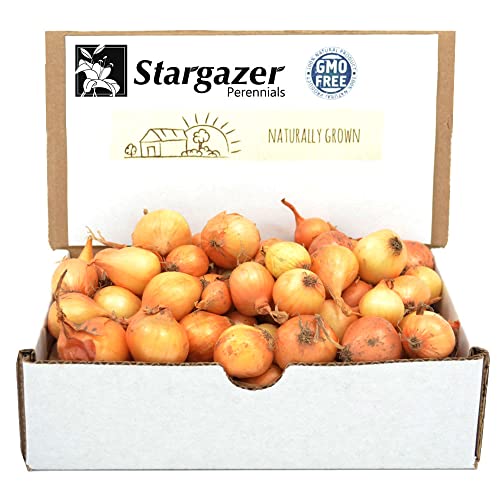
PREMIUM YELLOW STUTTGARTER ONION SETS - Each 8oz package contains carefully selected, USA-grown bulbs that produce delicious, mildly sweet onions perfect for cooking, salads, and fresh eating


Cold Hardy Bunching Onion: Evergreen white onions seeds produce non-bulbing scallions fresh green onions to 12 inches tall. Perennial onions white tolerate light frost and overwinter well in USDA zones 3–12 outdoor garden.
Nutritional Requirements
When planting onions and beans together, it’s essential to consider their individual nutritional needs. Onions are heavy feeders that require a nutrient-rich soil to thrive. They benefit from nitrogen, phosphorus, and potassium for healthy growth. On the other hand, beans are known for their ability to fix nitrogen in the soil, making them self-sufficient in this aspect.
To ensure both crops flourish when planted together, you can enrich the soil with compost or organic fertilizer before planting. This provides a balanced nutritional environment that caters to the requirements of both onions and beans. By meeting their distinct needs through proper soil preparation, you set the stage for a successful companion planting arrangement.
Soil and Water Needs
Understanding the soil and water preferences of onions and beans is crucial for their coexistence in your garden. Onions prefer well-draining soil with adequate moisture levels but can suffer from waterlogged conditions. In contrast, beans thrive in slightly moist soil that allows for good root development.
To accommodate these differing preferences, it’s advisable to plant onions in raised beds or areas with improved drainage to prevent waterlogging. This setup helps maintain optimal growing conditions for onions while ensuring they don’t compete with beans for moisture. Additionally, incorporating mulch around both crops can help regulate soil moisture levels and reduce weed growth, benefiting the overall health of your onion-bean duo.
By understanding and catering to the specific nutritional requirements as well as soil and water needs of onions and beans when planted together, you create an environment where both crops can flourish harmoniously while reaping the benefits of their complementary relationship in your garden.
Practical Tips for Planting Onions and Beans Together
Recommended Products

There are 6 different trays that you can easily use as you need them to give you more options for your sowing

Yields an average of 300 Bunching Onion plants per packet or roughly 37 lbs of Bunching Onions after harvest if the entire packet is planted.

Spacing Considerations
When planting onions and beans together, ensure proper spacing between the plants to allow for optimal growth and development. Aim for a distance of about 4-6 inches between onion plants within a row. For beans, space them approximately 4-6 inches apart in rows that are around 18-36 inches apart, depending on the bean variety.
Timing and Seasonal Advice
Plant onions early in the season as they prefer cooler temperatures for growth. Spring is an ideal time for onion planting. Beans, on the other hand, thrive in warmer weather so it’s best to plant them after the last frost date when the soil has warmed up sufficiently. This staggered planting schedule allows both crops to grow without competing for resources and ensures a successful harvest of fresh onions and beans from your garden.
Potential Challenges
Recommended Products

GARDEN GURU DIBBER PLANTER - Easily and efficiently plant your bulbs and flowers. Classic Design with High Carbon Steel & a Comfortable Wood Carved Handle. Great for tulips, daffodils, and dahlias!

3-IN-1 ESSENTIAL GARDENING SET: Heavy duty, ergonomic hand trowel, transplanter, and cultivator garden tool set; Ideal for a variety of gardening tasks like digging in tough soil, weeding, turning soil, aerating, transplanting, and more to encourage overall plant health and appearance

ERGONOMIC & EFFORT-SAVING DESIGN – This sod plugger / bulb planter features a comfortable grip handle with a one-button soil release mechanism, making planting, transplanting, and soil discharge easier and faster, while reducing hand fatigue.
Risk of Disease
Planting onions and beans together can pose a risk of disease due to their differing susceptibilities. Onions are prone to fungal diseases like white rot, which can spread to beans if not managed properly. To mitigate this risk, rotate crops annually, avoid planting onions in the same location year after year, and ensure proper spacing between plants to improve air circulation and reduce moisture buildup. Implementing good garden hygiene practices such as removing infected plant debris promptly can help prevent the spread of diseases between these companion plants.
Compatibility Issues
While onions and beans have many benefits when planted together, there are compatibility issues that may arise. Onions release compounds into the soil that can inhibit the growth of beans or affect their flavor. To address this challenge, consider intercropping with other vegetables or herbs that support both onion and bean growth without compromising each other’s development. Additionally, monitoring plant health regularly for signs of nutrient deficiencies or stunted growth can help you adjust your planting strategy as needed to ensure successful co-cultivation of onions and beans in your garden.
Conclusion
You’ve now learned about the advantages and considerations of planting onions and beans together. By understanding their nutritional needs, soil preferences, and spacing requirements, you can create a thriving garden bed with these complementary crops. Remember to enrich the soil before planting, provide appropriate drainage for onions, and ensure proper spacing for both crops. With careful timing and monitoring for potential challenges like disease or compatibility issues, you can enjoy a bountiful harvest of fresh produce from your garden. Happy planting!
Frequently Asked Questions
Can onions and beans be planted together in a garden?
Yes, onions and beans can be planted together in a garden to benefit from their complementary relationship. Onions deter pests that affect beans, while beans add nitrogen to the soil for onions.
What are the soil preferences for onions and beans?
Onions prefer well-draining soil, while beans thrive in slightly moist conditions. Enriching the soil with compost or organic fertilizer before planting ensures both crops thrive.
How should I space out onions and beans when planting them together?
Plant onions 4-6 inches apart and space rows of beans 18-36 inches apart. Proper spacing allows both crops to grow without competing for nutrients.
When is the best time to plant onions and beans together?
Plant onions early in the season for cooler temperatures and wait until after the last frost date to plant beans. Staggered planting helps achieve successful harvests of both crops.
What challenges may arise when planting onions and beans together?
Potential challenges include disease risks like white rot affecting both crops. Manage these risks through crop rotation, proper spacing, good garden hygiene practices, intercropping with other plants, and regular monitoring.
