

Thinking about planting carrots in the fall? Wondering if it’s the right move for your garden? Picture this: the crisp autumn air, the vibrant colors of the changing leaves, and a bountiful harvest of fresh, homegrown carrots. Exciting, isn’t it?
As you delve into the world of fall gardening, you might be curious about the benefits of planting carrots this season. Not only can fall planting extend your harvest, but it can also result in sweeter and more flavorful carrots. Imagine enjoying your own organic carrots well into the winter months.
Benefits of Planting Carrots in the Fall
When you plant carrots in the fall, you ensure a longer growing season, leading to a bountiful harvest. During this time, the cool temperatures actually help carrots develop their flavors by converting their starches into natural sugars, resulting in sweeter and tastier carrots straight from your garden.
Here are some key benefits of planting carrots in the fall:
- Extended Harvest: Planting in the fall allows you to enjoy fresh carrots for an extended period well into the winter.
- Sweetness: Carrots left in the ground during chilly weather accumulate sugars, making them taste sweeter.
- Improved Flavor: The cold of fall enhances the flavor of carrots, making them more flavorful than those planted in warmer seasons.
- Natural Storage: Your garden acts as a natural refrigerator in the fall, keeping your carrots fresh and ready to be picked whenever you need them.
In addition to these benefits, planting carrots in the fall can also be a rewarding experience, providing you with a sustainable source of fresh, organic produce.
Tips for Successfully Growing Carrots in the Autumn
Planting carrots in the fall can be a rewarding experience. Here are some tips to help you successfully grow them during this season:
- Choose the Right Varieties: Opt for cold-tolerant carrot varieties such as “Autumn King” or “Scarlet Nantes” that thrive in cooler temperatures.
- Prepare the Soil: Ensure the soil is well-drained, loose, and free of rocks to allow the carrots to grow straight and develop fully.
- Plant at the Right Time: Aim to plant your carrot seeds about 10-12 weeks before the first frost date in your area.
- Sow Seeds Correctly: Plant carrot seeds thinly to avoid overcrowding, and cover them with a light layer of soil to aid germination.
- Keep the Soil Moist: Water consistently to keep the soil evenly moist but not waterlogged, especially during dry spells.
- Thin Seedlings: Once the seedlings emerge, thin them to about 2 inches apart to give enough space for the carrots to mature.
- Mulch Around Carrots: Mulching helps regulate soil temperature, retain moisture, and prevent weeds from competing with your carrot plants.
- Protect from Frost: Consider using row covers or cloches to shield your carrots from early frosts and extend the growing season.
- Harvest Carefully: Harvest your carrots by gently loosening the soil around them before pulling to prevent breakage.
- Store Properly: After harvesting, store your carrots in a cool, humid place to maintain their freshness for an extended period.
By following these tips, you’ll be well on your way to enjoying a bountiful harvest of flavorful carrots throughout the autumn.
Recommended Products

FALL AND WINTER VEGETABLE SEEDS: 8 non-GMO heirloom varieties for planting vegetables in cool weather gardens, cold frames, raised beds, and containers
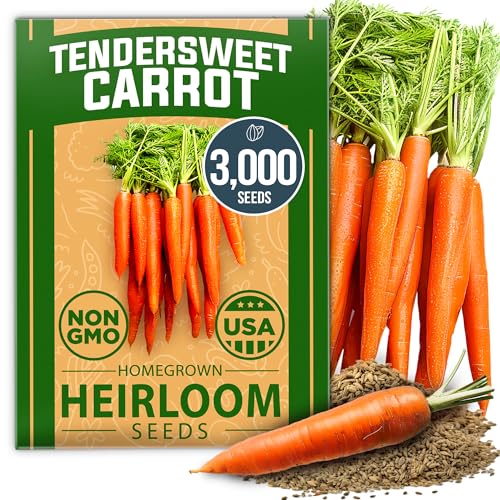
Premium Tendersweet Carrot Seeds: Authentic Open-Pollinated Premium Heirloom Seeds (USA) Non-GMO, Untreated, High Germination Rate. Phenomenal dessert Brix profile. High-impact carotene energy. An outstanding orange monolith for open ground, high ridges, and patio containers. Your garden bed is your pride.
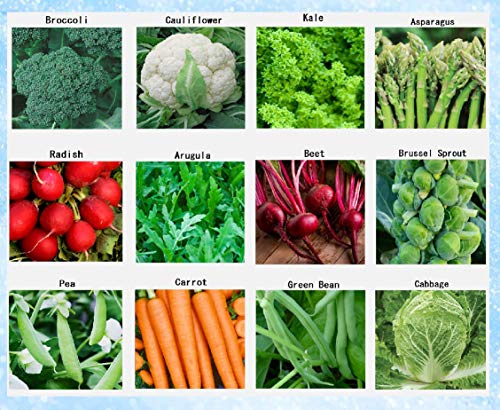
☘ 12 MOST POPULAR WINTER VEGETABLES: Radish, Pea, Broccoli, Beet, Carrot, Cauliflower, Green Bean, Kale, Arugula, Cabbage, Asparagus, Brussel Sprout.
Best Carrot Varieties for Fall Planting
When selecting carrot varieties for fall planting, choose cold-tolerant options that can withstand lower temperatures to ensure a successful harvest. These varieties are specifically bred to thrive in cooler conditions, making them ideal for autumn planting. Here are some top carrot varieties to consider:
- Nantes: Known for its sweet and tender roots, Nantes carrots are a popular choice for fall planting. They have a classic carrot flavor and are relatively easy to grow.
- Danvers: With excellent storage capabilities, Danvers carrots are a versatile option for fall gardens. They have a slightly tapered shape and a rich, sweet flavor.
- Chantenay: Chantenay carrots are prized for their crisp texture and robust flavor. These carrots are shorter and broader, making them ideal for heavy or shallow soils.
- Cosmic Purple: If you’re looking to add some color to your fall garden, consider planting Cosmic Purple carrots. These vibrant carrots are not only eye-catching but also have a slightly spicy flavor.
By choosing the right carrot varieties for fall planting, you can set yourself up for a successful and flavorful harvest.
Harvesting and Storing Fall-Planted Carrots
When it comes to harvesting your fall-planted carrots, it’s essential to wait until they reach full maturity. This typically takes about 70-80 days depending on the variety you chose. How do you know if it’s time to harvest? Don’t worry; you can check by gently pulling up a carrot to inspect its size and color. The ideal carrot size for harvesting is usually around 1 inch in diameter.
To harvest your carrots, grasp the green tops near the base and gently pull while supporting the soil around the carrot to avoid breakage. Once you’ve pulled them from the ground, remove the tops to prevent moisture loss from the roots.
Now that you’ve harvested your carrots, proper storage is crucial to maintain their freshness. For short-term storage, you can refrigerate them in a plastic bag, ensuring they are dry and free from any soil particles. To extend storage, consider root cellaring your carrots. This method involves storing them in a cool, humid environment like a basement or cellar to keep them fresh for longer periods.
Conclusion
You now have a thorough understanding of planting carrots in the fall, from selecting the right varieties to harvesting and storing them. Remember to wait for full maturity before harvesting, ensuring your carrots are around 1 inch in diameter. When harvesting, gently pull while supporting the soil to avoid breakage, and remove the tops to keep the roots moist. For storage, consider refrigeration in a plastic bag for short-term freshness or root cellaring in a cool, humid environment for longer preservation. By following these tips, you can enjoy a bountiful harvest of delicious fall-planted carrots. Happy planting!
Frequently Asked Questions
1. What are the key points to consider when selecting carrot varieties for fall planting?
Select carrot varieties suitable for fall planting, such as Bolero or Napoli. Opt for varieties with a quick maturity rate of around 70-80 days to harvest before the first frost.
2. How do you know when fall-planted carrots are ready for harvesting?
Wait for full maturity, indicating by a bright color and approximately 1-inch diameter. Check the size and appearance of the carrots in the ground to ensure readiness.
3. What is the best way to harvest fall-planted carrots?
Gently pull the carrots while supporting the soil to avoid breakage. Remove the tops to retain root moisture and prevent drying out after harvesting.
4. How should fall-planted carrots be stored after harvesting?
For short-term storage, refrigerate the carrots in a plastic bag. For longer freshness, consider root cellaring in a cool, humid place to preserve their quality.
