

Ever wondered how those vibrant orange carrots make their way from the ground to your plate? Have you ever thought about trying your hand at growing your own fresh, crunchy carrots? Picture this: you stroll through your garden, pluck a carrot straight from the earth, and savor its unmatched flavor. Intrigued?
Growing your own carrots isn’t just about cultivating a vegetable; it’s about connecting with nature, understanding the process, and enjoying the fruits (or veggies!) of your labor. In this article, you’ll uncover the secrets behind successfully growing carrots in your own backyard. From seed to harvest, we’ll guide you through each step, empowering you to nurture your own delicious, homegrown carrots.
Choosing the Right Carrot Variety
When it comes to choosing the right carrot variety for your garden, consider factors such as climate, soil type, and intended use to ensure a successful harvest. Here are some essential tips to guide you:
- Determine Your Climate: Select a carrot variety that thrives in your specific climate zone to support optimal growth. For cooler regions, look for varieties that are cold-tolerant.
- Consider Soil Conditions: Assess your soil type and ensure it is well-draining with a loose texture to encourage healthy root development. Choose a variety suited to your soil’s composition.
- Purpose of Planting: Decide whether you plan to enjoy your carrots fresh from the garden, preserve them, or use them in cooking. Different varieties are better suited for fresh consumption, storage, or culinary purposes, so select accordingly.
- Experiment and Explore: Don’t be afraid to experiment with different carrot varieties in your garden to find the ones that best suit your preferences and growing conditions.
- Consult with Local Expertise: Reach out to local gardening experts or agricultural extension services for recommendations on carrot varieties that thrive in your area. Their insights can be invaluable in selecting the right varieties for your garden.
Recommended Products

Premium Seeds: Tendersweet heirloom carrot variety offering approximately 2600 seeds for extensive garden planting and multiple growing seasons
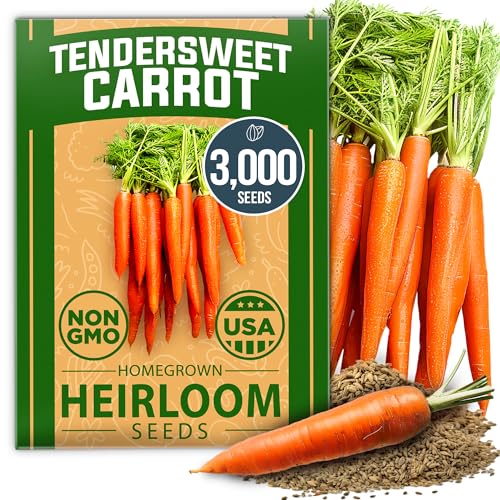
Premium Tendersweet Carrot Seeds: Authentic Open-Pollinated Premium Heirloom Seeds (USA) Non-GMO, Untreated, High Germination Rate. Phenomenal dessert Brix profile. High-impact carotene energy. An outstanding orange monolith for open ground, high ridges, and patio containers. Your garden bed is your pride.

COLD HARDY SEED PACK: Brave the chill with this 10-pack of cold-tolerant crops! From hearty Champion Collard Greens and Dazzling Blue Kale to sweet Nantes Carrots and vibrant Rouge d'Hiver Lettuce, this collection is perfect for cool-season gardening.
Selecting the Ideal Growing Location
When choosing where to plant carrots, remember that they thrive in full sun. Select a spot in your yard that receives at least 6 hours of sunlight daily. Well-draining soil is crucial, so avoid waterlogged areas that can cause roots to rot.
Consider the soil pH level. Carrots prefer slightly acidic soil, ideally with a pH between 6.0 and 6.8. Test your soil to determine its pH and make adjustments as needed.
Avoid rocky or compacted soil, as it can hinder the growth of straight, uniform carrots. Opt for loose, sandy soil that allows roots to penetrate easily and develop properly.
If you’re planting in containers, ensure they have sufficient depth for carrot roots to grow long and straight. Choose containers at least 12 inches deep for optimal results.
Tips for Selecting Soil
- Opt for loose, sandy soil
- Ensure proper drainage
- Test the soil pH and make adjustments if necessary
| Sunlight Required | Soil pH Level | Soil Type |
|---|---|---|
| At least 6 hours | 6.0 – 6.8 | Loose, sandy |
Commit to finding the perfect spot for your carrots to flourish, and you’ll be rewarded with a bountiful harvest.
Preparing the Soil for Planting
When getting ready to plant carrots, preparing the soil is a crucial step for their successful growth. Here are some tips to help you get started:
- Test the Soil: Before planting, check the soil pH level to ensure it falls within the optimal range of 6.0 to 6.8 for carrots.
- Loosen the Soil: Ensure the soil is loose and well-aerated to promote proper root development.
- Remove Debris: Clear the area of any rocks, weeds, or debris that could hinder carrot growth.
- Add Organic Matter: Incorporate compost or well-rotted manure to enrich the soil with nutrients.
- Create Rows: Form raised beds or rows to improve drainage and make it easier to care for your carrots.
By following these steps, you’ll set the stage for healthy and robust carrot plants ready to thrive in your garden.
Planting Carrot Seeds
When planting carrot seeds, remember to follow these essential steps to ensure successful growth:
- Choose the Right Time: Plant carrot seeds in early spring for a bountiful harvest.
- Prepare the Soil: Ensure your soil is loose, well-draining, and free from rocks to promote healthy root growth.
- Sow the Seeds: Plant the seeds ¼ inch deep and 1 inch apart in rows to maximize space and yield.
- Watering: Keep the soil consistently moist but not waterlogged to aid germination.
- Thinning: Thin seedlings to 2-3 inches apart when they are a few inches tall to prevent crowded growth.
- Weeding: Regularly remove weeds to prevent competition for nutrients.
- Fertilizing: Avoid excessive fertilizer as it can result in forked or hairy carrots.
Caring for Carrot Plants
Growing healthy carrots not only relies on proper planting but also on caring for the plants throughout their growth cycle. Here are essential tips to ensure your carrots thrive:
- Watering:
- Water consistently to keep the soil evenly moist, especially during dry spells.
- Avoid overwatering, as it can lead to rotting of the carrots.
- Weeding:
- Regularly weed around the carrot plants to prevent competition for nutrients and space.
- Thinning:
- When carrot seedlings are about 1-2 inches tall, thin them out to ensure proper spacing (about 2-3 inches apart) for healthy root development.
- Pest Control:
- Monitor for pests like carrot rust fly and aphids. Use row covers or organic pest control methods to protect your plants.
- Mulching:
- Applying a layer of mulch around the plants helps retain moisture, reduce weed growth, and protect the roots from temperature fluctuations.
- Harvesting:
- Carrots are usually ready for harvest 60-80 days after planting. Check the size and color of the tops to determine readiness.
- Storage:
- After harvesting, remove the tops and store carrots in a cool, moist environment to prolong freshness.
Ensuring proper care for your carrot plants will result in a plentiful harvest of delicious, homegrown carrots.
Recommended Products

Product Features: Our plant covers are ideal for protecting all plant. Made from premium 1 oz/sq non-woven fabric, their durability and breathability ensuring both insulation against frost and facilitation of sunlight penetration for healthy plant growth

※Big Size to cover large area : The size of our plant cover is 10x30ft, the size can cover large areas. You can cut the plant covers freeze protection into different sizes for different use. You can cover it over the plant such as shrub tomato, pepper, pumpkin, and so on.
Harvesting Fresh Carrots
When it comes to harvesting fresh carrots from your garden, timing is key. Carrots are ready to be harvested when they reach the ideal size and color. Here’s how you can ensure a successful carrot harvest:
- Size: Carrots are typically ready to be harvested when they reach about 1/2 to 3/4 inch in diameter at the top.
- Color: Look for a vibrant orange color and a healthy green top; these indicate ripe, flavorful carrots.
- Loosen Soil: Before harvesting, gently loosen the soil around the carrots to make pulling them out easier.
- Pulling Technique: Grasp the green tops close to the carrot and gently pull straight up to avoid breaking the roots.
- Harvesting Schedule: It’s best to harvest carrots in the cooler parts of the day to prevent wilting.
Conclusion
Now that you’ve learned the essential care tips for growing healthy and vibrant carrots, you’re well-equipped to nurture your carrot plants from seedlings to harvest. Remember to maintain consistent watering, weed diligently, thin out seedlings, control pests, mulch appropriately, and harvest at the right time for the best results. By following these guidelines, you’ll be on your way to enjoying a bountiful harvest of delicious, fresh carrots straight from your garden. Happy gardening!
Frequently Asked Questions
1. How often should I water my carrot plants?
Water carrot plants consistently, aiming for about 1 inch of water per week, especially during dry periods.
2. Why is weeding important for carrot plants?
Weeding is crucial to prevent competition for nutrients and ensure carrot plants grow without obstruction.
3. When should I thin the carrot seedlings?
Thin carrot seedlings when they reach about 2 inches tall to allow adequate space for mature root development.
4. What is the best way to control pests on carrot plants?
Utilize natural methods like handpicking pests or introducing beneficial insects to control pest populations effectively.
5. How can mulching benefit my carrot plants?
Mulching helps retain moisture, suppress weeds, and maintain consistent soil temperature around carrot plants.
6. What is the ideal time to harvest fresh carrots?
Harvest fresh carrots when they reach a diameter of 1/2 to 3/4 inch, exhibit a vibrant orange color, and have healthy green tops.
7. How should I harvest and store carrots properly?
Loosen the soil around the carrot first, gently pull the carrot out, remove excess soil, trim the tops, and store in a cool, humid place.
