

Have you ever thought about growing your own romaine lettuce? Picture this: fresh, crisp leaves ready to add to your salads or sandwiches, all from your backyard or balcony. Growing your own lettuce can be a rewarding experience, but you might wonder if it’s really possible.
Key Takeaways
- Growing Feasibility: Romaine lettuce can be successfully grown in home gardens, thriving in cooler temperatures typical of spring and fall.
- Optimal Conditions: For best results, ensure your romaine receives 6-8 hours of sunlight daily, is planted in well-draining, nutrient-rich soil with a pH of 6.0-7.0, and is watered consistently without waterlogging.
- Ideal Temperature Range: Lettuce grows best between 60°F and 70°F; be mindful of hot weather, which can cause bolting.
- Planting Method: Sow seeds directly into the soil or start indoors, spacing them 12 to 18 inches apart, and thin seedlings to prevent overcrowding.
- Pest Management: Watch for common pests such as aphids and slugs; use organic solutions like insecticidal soap and ensure good air circulation to prevent diseases.
- Nutritional Benefits: Harvesting romaine lettuce not only contributes to a fresh, crunchy ingredient for meals but also provides essential vitamins and minerals, promoting overall health.
Can I Grow Romaine Lettuce?
Yes, you can grow romaine lettuce. This leafy vegetable thrives in cooler temperatures, making it perfect for spring and fall gardening in most regions. Here are key points to consider:
Growing Conditions
- Light: Romaine lettuce requires full sunlight, around 6 to 8 hours daily.
- Soil: Use well-draining soil rich in organic matter. Aim for a pH between 6.0 and 7.0.
- Water: Keep the soil consistently moist but not soggy. Water at least 1 inch per week.
Ideal Temperature
- Optimal Range: Lettuce grows best between 60°F to 70°F. Hotter temperatures can lead to bolting.
- Frost Tolerance: Romaine can tolerate light frost, encouraging growth in cooler months.
Planting Steps
- Seeds: Sow seeds directly into the soil 1/4 to 1/2 inch deep. You can also start indoors and transplant seedlings later.
- Spacing: Space seeds or seedlings 12 to 18 inches apart for optimal growth.
- Thinning: Thin seedlings to avoid overcrowding. Keep the strongest plants.
Pest and Disease Management
- Common Pests: Watch out for aphids and slugs. Use organic insecticidal soap or hand-pick pests.
- Diseases: Prevent downy mildew by ensuring good air circulation and planting in well-drained soil.
- Timing: Harvest romaine between 60 to 75 days after planting, depending on the variety.
- Method: Cut lettuce leaves at the base, or harvest the entire head when it reaches a good size.
By following these guidelines, you can cultivate fresh romaine lettuce at home, adding a delightful crunch to your salads and meals.
Benefits of Growing Romaine Lettuce
Growing romaine lettuce offers numerous advantages. You enjoy fresh, nutrient-rich greens right from your garden, enhancing both your meals and health.
Nutritional Value
Romaine lettuce is low in calories yet packed with nutrients. A single cup contains:
- Vitamin A: Promotes eye health and immune function.
- Vitamin K: Supports bone health and proper blood clotting.
- Folate: Aids in cell division and is crucial during pregnancy.
- Fiber: Helps with digestion and maintains gut health.
Incorporating romaine into your diet boosts overall wellness while adding a crunchy texture to meals.
Culinary Uses
Romaine lettuce is versatile in the kitchen. Here are some popular ways to use it:
- Salads: Create classic Caesar salads or mix with other greens for variety.
- Wraps: Substitute tortillas for lettuce wraps, perfect for low-carb meals.
- Sandwiches: Use the leaves as a crunchy addition to sandwiches or burgers.
- Smoothies: Blend romaine into smoothies for extra nutrients without altering the flavor.
Experiment with different recipes to maximize the fresh taste of your homegrown romaine lettuce.
Ideal Growing Conditions
Growing romaine lettuce thrives under the right conditions. Focus on the following aspects to ensure healthy, vibrant plants.
Recommended Products

Quick, at home results for Soil pH, Nitrogen, Phosphorous and Potash Innovative and inexpensive soil test kit features an easy-to-use capsule system and patented color comparators

Kindly NOTE: This soil tester can not be applied to test pH value of any other liquid. If the soil is too dry the indicator will not move, and water it before testing.

Accurate Soil pH Testing: Dewildetradingco Soil pH Test Strips offer measurements of soil pH levels (pH 3.5-9). As an essential tool for every gardener and grower, these test strips help determine the optimal pH for various plants, such as outdoor plants, indoor plants, gardens, grass lawns, fruit trees, flowers, vegetables, and forest shrubs.
Soil Requirements
Romaine lettuce prefers well-draining, nutrient-rich soil. Aim for a soil pH between 6.0 and 7.0. This range promotes optimal nutrient uptake. Enrich your soil with organic matter, such as compost or aged manure, to boost fertility. When planting, ensure the soil is loose and crumbly for proper root development. Test your soil beforehand to adjust its composition if necessary.
Climate Considerations
Romaine lettuce grows best in cooler climates, ideally between 60°F and 70°F. These temperatures enhance growth and flavor. You can start your seeds indoors or sow them directly in the garden. If you choose outdoor planting, time it for early spring or fall, avoiding the heat of summer. Keep an eye on the weather; some varieties tolerate light frost, making them resilient in fluctuating temperatures. Consider using row covers if temperatures drop unexpectedly, helping to protect your plants while maintaining warmth.
Planting Romaine Lettuce
Growing romaine lettuce is straightforward when you follow the right steps. Understanding each stage of planting helps you achieve a bountiful crop.
Recommended Products

🥬 Heat-Tolerant Upright Romaine: Jericho Romaine Lettuce (Lactuca sativa) forms tall, sturdy heads with crisp ribs and tender, mildly sweet leaves. Known for its strong heat tolerance compared to many romaine varieties, it grows 18–24 inches tall and delivers reliable harvests in extended spring and early summer conditions.


Red Romaine: Features vibrant red-tinged leaves with green bases, offering a mild, slightly sweet flavor and crisp texture ideal for salads and garnishes.
Seed Selection
Choose high-quality romaine lettuce seeds from a reputable source. Look for varieties suited for your climate, such as ‘Winter Density’ for colder areas or ‘Butterhead’ for warmer regions. Check the expiration date on the seed packet to ensure freshness. Opt for organic seeds for potentially healthier plants.
- Preparation: Start by preparing the soil. Ensure it’s loose and well-draining. Incorporate organic matter, like compost, for added nutrients.
- Sowing Seeds: Plant seeds 1/4 to 1/2 inch deep. Space seeds 12 to 18 inches apart, allowing adequate room for growth. If sowing in rows, keep 18 inches between each row for easy access.
- Watering: Water the seeds gently but thoroughly after planting. Maintain consistent moisture without waterlogging the soil.
- Temperature: Aim to plant when the soil temperature is between 60°F and 70°F. Use row covers if cooler temperatures threaten your plants.
- Thinning: Once seedlings reach 2 to 3 inches in height, thin them out. Remove the weaker plants, leaving the strongest ones spaced properly.
By following these planting techniques, you create an optimal environment for your romaine lettuce to flourish.
Care and Maintenance
Caring for and maintaining your romaine lettuce is essential for a successful harvest. Focus on proper watering and pest management to ensure healthy growth.
Recommended Products
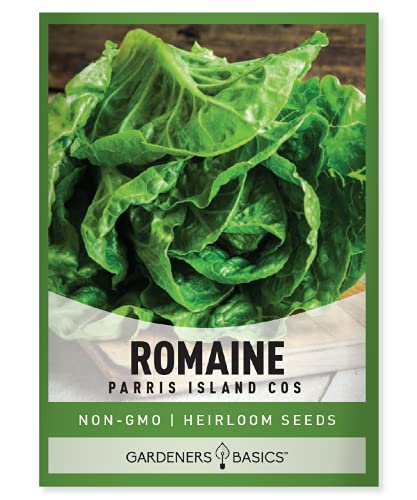
Grow crisp Parris Island Cos romaine with upright green leaves, sturdy ribs, and a mild flavor. A classic choice for salads, lettuce wraps, sandwiches, and fresh harvests from your own garden.

We grow a variety of edible seasonal seedlings (aka plugs/starts/transplants) that will flourish in your soil or hydroponic garden.

4 Popular Heirloom Lettuce Varieties: Includes Red Romaine, Bibb Butterhead, Black Seeded Simpson, and Green Ice lettuce seeds to grow crisp, tender, and colorful salad greens with balanced flavor, texture, and visual appeal.
Watering Guidelines
Water your romaine lettuce consistently to promote strong growth. Aim for about 1 to 1.5 inches of water weekly, adjusting based on rain and temperature.
- Check Soil Moisture: Stick your finger into the soil about an inch deep. If it feels dry, it’s time to water.
- Water Evenly: Use a soaker hose or drip irrigation to water evenly without splashing foliage. This prevents diseases caused by excess moisture on leaves.
- Avoid Waterlogging: Ensure drainage to prevent root rot. Water less frequently if the soil remains consistently wet.
Pest Management
Preventing pests is key to maintaining healthy romaine lettuce. Common pests include aphids, slugs, and caterpillars.
- Inspect Regularly: Check your plants frequently for signs of pests, like holes in leaves or sticky residues.
- Introduce Beneficial Insects: Consider ladybugs or lacewings, which feed on aphids and other pests.
- Use Barriers: Employ row covers or netting to protect young plants from pests.
- Apply Organic Solutions: Use neem oil or insecticidal soap as a gentle way to control infestations while being safe for your plants.
With these care and maintenance tips, you can cultivate healthy, vibrant romaine lettuce for your home meals.
Conclusion
Growing your own romaine lettuce is a fun and rewarding journey. With the right conditions and a little care you can enjoy fresh greens right from your garden. Whether you’re a seasoned gardener or just starting out you’ll find that romaine is a great choice for your home garden.
Remember to keep an eye on the sunlight soil quality and moisture levels. With a bit of patience and attention you’ll soon be harvesting crisp lettuce for your favorite dishes. So grab those seeds and get started on your gardening adventure. You won’t regret it!
Frequently Asked Questions
Can I grow romaine lettuce in any climate?
Yes, you can grow romaine lettuce in various climates, but it thrives best in cooler temperatures. It is suitable for spring and fall gardening in most regions, particularly where the temperature ranges from 60°F to 70°F.
How much sunlight does romaine lettuce need?
Romaine lettuce requires full sunlight for about 6 to 8 hours a day. Ensuring adequate sunlight will promote healthy growth and nutrient-rich leaves.
What is the ideal soil type for growing romaine lettuce?
Romaine lettuce prefers well-draining soil with a pH between 6.0 and 7.0. Enriching the soil with organic matter like compost will enhance its nutrient content.
How should I space romaine lettuce seeds when planting?
When planting romaine lettuce seeds, space them 12 to 18 inches apart and sow seeds at a depth of 1/4 to 1/2 inch for optimal growth.
When is the best time to harvest romaine lettuce?
You should harvest romaine lettuce between 60 to 75 days after planting. Picking it at this time ensures the leaves are fresh and flavorful for your meals.
What are some common pests to watch out for when growing romaine lettuce?
Common pests include aphids, slugs, and caterpillars. Regular inspections and preventive measures like introducing beneficial insects can help manage these pests effectively.
How often should I water my romaine lettuce?
Romaine lettuce should receive about 1 to 1.5 inches of water weekly. Consistent watering is vital, but be cautious to avoid waterlogging the soil.
Can I use romaine lettuce in smoothies?
Absolutely! Romaine lettuce adds a fresh taste and a nutrient boost to smoothies, making it a great addition to your drink recipes.
