

Wondering how far apart to plant your lettuce? You’re not alone. Many gardeners face this question, especially when trying to maximize their harvest in limited space. Planting too close can lead to crowded plants that struggle to grow, while too much space might waste valuable garden real estate.
Key Takeaways
- Optimal Spacing Matters: Proper spacing between lettuce plants is crucial for healthy growth, maximizing yields, and preventing overcrowding issues.
- Distance Guidelines: Space head lettuce 12 to 18 inches apart and leaf varieties 6 to 12 inches apart, depending on the specific type.
- Factors to Consider: Planting distance is influenced by variety, growing method, environmental conditions, soil quality, and growth stage.
- Soil Preparation is Key: Ensure your soil is fertile, well-aerated, and has the appropriate pH level for optimal lettuce growth.
- Watering Techniques: Maintain consistent moisture without waterlogging, ideally watering in the early morning using methods like soaker hoses.
- Avoid Common Mistakes: Prevent overcrowding and disregard for growth patterns by adhering to recommended spacings and understanding each type’s growth requirements.
Understanding Lettuce Planting Distances
Planting lettuce at the right distance promotes healthy growth and maximizes your harvest. Proper spacing avoids issues like overcrowding and allows for optimal sunlight and air circulation.
Recommended Products

Precise Spacing for Better Growth - This seed spacers planting tool helps you mark evenly spaced seed positions and straight planting rows, giving plants more consistent room to grow while improving garden organization and reducing guesswork.

【SEED SPACING】12 tapered spikes set exactly 1 inch apart make evenly spaced holes for seed planting in one press for consistent row seeding.
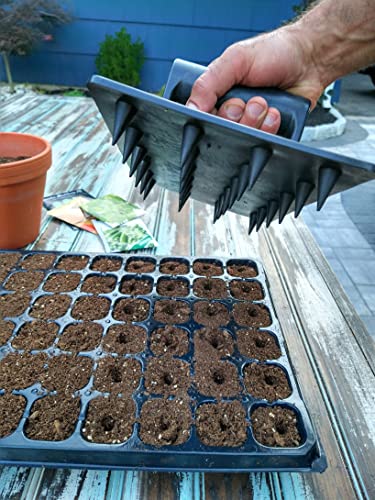
Efficiently start seeds indoors by creating perfect planting holes in 72-cell seed trays
Importance of Proper Spacing
Proper spacing between lettuce plants keeps them healthy and productive. If you plant too closely, your plants compete for nutrients and water. Overcrowded plants can lead to poor growth, increased susceptibility to pests, and higher chances of disease. A general guideline is to space head lettuce about 12 to 18 inches apart and leaf varieties around 6 to 12 inches apart, depending on the specific type you choose.
Factors Influencing Planting Distance
Several factors influence how far apart you should plant lettuce:
- Variety: Different types of lettuce require varying distances. For instance, romaine lettuce needs more space compared to butterhead types.
- Growing Method: Raised beds may allow for closer planting, while traditional rows provide more spacing and air circulation.
- Environmental Conditions: If you live in a warmer climate, wider spacing may help prevent heat stress. Conversely, cooler areas may allow for closer planting without risk.
- Soil Quality: Rich, loose soil supports better growth, allowing for tighter spacing. Poor soil conditions might necessitate wider spacing to ensure adequate resources for each plant.
- Growth Stage: Consider the size and growth habits of the mature plants. Thin young seedlings but ensure there’s enough room as they mature.
Keeping these factors in mind helps you determine the ideal spacing for your lettuce plants, ensuring a bountiful garden.
Recommended Spacing for Different Types of Lettuce
Spacing plays a crucial role in growing healthy lettuce. It promotes proper growth, air circulation, and access to sunlight. Here’s how much space to provide for different types of lettuce.
Recommended Products

Precise Planting Measurement: The foldable plant ruler is designed to provide precise measurements for seed spacing, ensuring optimal growth for a variety of vegetables including carrots, tomatoes, peas, potatoes, and cabbage.

DON’T RISK A SMALL HARVEST Avoid the frustration of low yields caused by overcrowded or poorly spaced plants. Inspired by Square Foot Gardening, Seed Spacer Tool prevents spacing mistakes that hold your garden back — giving you the big, healthy harvest you deserve.
Leaf Lettuce
Plant leaf lettuce 6 to 12 inches apart. This variety thrives with close spacing because it grows outward rather than upward. For example, if you’re growing Butterhead or Looseleaf, aim for around 8 inches between plants. This distance allows for vibrant growth while preventing overcrowding.
Head Lettuce
For head lettuce, maintain a distance of 12 to 18 inches between plants. Types like Iceberg and Butterhead need more space to develop their compact heads. Space your plants at approximately 15 inches apart for optimal growth. This spacing ensures that each head receives enough light and air, promoting firm, healthy development.
Romaine Lettuce
Plant Romaine lettuce about 12 to 18 inches apart. This variety benefits from additional room to grow tall and strong. If you’re cultivating a dense variety like Paris Islands, lean towards 15 to 18 inches. This spacing allows for proper airflow, reducing the risk of diseases and ensuring robust growth.
Tips for Successful Lettuce Planting
Planting lettuce requires attention to detail for healthy growth. Here are some essential tips to help you succeed.
Soil Preparation
Prepare soil well before planting. Mix in compost to enhance soil fertility. Aim for a pH level between 6.0 and 7.0 for optimal growth. Remove any weeds, rocks, or debris. Turn the soil to a depth of at least 12 inches to promote drainage. Use a garden fork to aerate compacted soil. If possible, conduct a soil test to determine nutrient levels. Add amendments based on test results to create an ideal growing environment.
Watering Techniques
Water consistently to keep soil moist, but avoid waterlogging. Early morning is the best time to water lettuce, as it allows plants to absorb moisture before heat increases. Use a soaker hose or drip irrigation to deliver water directly to the roots. Monitor rainfall; adjust your watering schedule accordingly. Aiming for about 1 to 1.5 inches of water per week supports healthy growth. If you see wilting or curling leaves, increase your watering frequency.
Common Mistakes to Avoid
Planting lettuce correctly involves several considerations. Avoid these common mistakes to ensure healthy growth and maximize your harvest.
Overcrowding Plants
Overcrowding occurs when lettuce plants are placed too close together. This mistake can lead to stunted growth, increased competition for nutrients, and reduced airflow, promoting disease. Aim for the recommended spacing: 6 to 12 inches for leaf varieties and 12 to 18 inches for head varieties. If you’re growing multiple lettuce types, consider their specific spacing needs. For instance, plant Butterhead about 8 inches apart, while Iceberg can be spaced around 15 inches apart.
Ignoring Growth Patterns
Ignoring growth patterns can also hamper your success. Different lettuce types grow at distinct rates and have unique space requirements. For example, Romaine lettuce typically grows taller than leaf varieties. When planning your garden, group similar types together based on their growth habits. This approach not only conserves space but also helps plants thrive by making sure they receive adequate sunlight and air circulation. Always consider the mature size of each variety to avoid future adjustments in spacing.
Conclusion
Getting the spacing right for your lettuce is key to a thriving garden. By giving your plants enough room to grow you’ll not only enhance their health but also boost your overall harvest. Remember to consider the specific type of lettuce you’re planting and the conditions in your garden.
With a little planning and attention to detail you can enjoy a plentiful supply of fresh lettuce all season long. Happy gardening and enjoy the fruits of your labor!
Frequently Asked Questions
How far apart should I plant lettuce?
To optimize growth and harvest, plant head lettuce 12 to 18 inches apart and leaf lettuce 6 to 12 inches apart. An ideal distance for Butterhead and Looseleaf varieties is around 8 inches, while Iceberg and Butterhead should be spaced about 15 inches apart.
Why is spacing important when planting lettuce?
Proper spacing prevents overcrowding, allowing each plant enough sunlight and air circulation. This promotes healthy growth and reduces competition for nutrients, helping you achieve a better yield in your garden.
What factors influence planting distance for lettuce?
Key factors include the type of lettuce, growing method, environmental conditions, soil quality, and the growth stage of the plants. Understanding these can help you determine the best spacing for your lettuce.
What is the ideal soil preparation for growing lettuce?
Prepare the soil by mixing in compost and ensuring a pH level between 6.0 and 7.0. Turn the soil to a depth of at least 12 inches for good drainage and nutrient availability.
How often should I water lettuce plants?
Consistent watering is crucial. Water in the early morning using soaker hoses or drip irrigation to keep the soil moist without over-saturating it. Adjust your schedule based on rainfall to support healthy growth.
What common mistakes should I avoid when planting lettuce?
Avoid overcrowding plants, neglecting growth patterns, and failing to group similar types together. Following spacing recommendations and understanding each type’s unique needs will enhance growth and yield.
