

Ever wondered if you can grow carrots alongside kale in your garden? Picture this: a vibrant mix of colorful carrots and leafy kale thriving together, creating a beautiful and bountiful harvest. In this article, we’ll explore the exciting possibilities of growing these two veggies side by side.
Imagine the convenience of having fresh carrots and nutrient-packed kale just a few steps away from your kitchen. By learning how to grow carrots with kale, you’ll not only save space but also enjoy the benefits of a diverse and delicious homegrown produce. Get ready to elevate your gardening game and savor the rewards of this harmonious planting combination.
Benefits of Growing Carrots with Kale
When planting carrots and kale together, you’ll enjoy various benefits that enhance your gardening experience. Here are a few advantages to consider:
- Complementary Growth: Carrots and kale have different root structures, allowing them to grow harmoniously without competing for space.
- Natural Pest Control: Kale acts as a protective companion plant, deterring pests that might damage your carrots.
- Nutrient Absorption: Carrots and kale require different nutrients, meaning they won’t deplete the soil of the same elements.
- Crop Rotation: Growing carrots with kale supports crop rotation, a practice that helps maintain soil health and fertility.
- Convenient Harvesting: Having both vegetables in the same area makes it easier for you to harvest fresh produce for your meals.
Understanding Companion Planting
Understanding Companion Planting
When growing carrots with kale, it’s essential to understand companion planting. This practice involves grouping plants together strategically to enhance growth and deter pests.
Here are some key points to keep in mind when exploring companion planting:
Benefits of Companion Planting:
- Encourages biodiversity in your garden.
- Maximizes space by utilizing plants that support each other.
- Helps with natural pest management and disease prevention.
Good Companion Plants for Carrots and Kale:
- Carrots and kale thrive when planted together.
- Carrots: Deep-rooted, they can help break up the soil for kale’s shallow roots.
- Kale: Acts as a natural pest repellent for carrots.
Avoid Planting Together:
- Certain plants, when paired, can inhibit each other’s growth.
- Keep carrots away from dill and fennel to prevent stunted growth.
- Rotate crops yearly to prevent soil depletion.
- Consider intercropping different types of kale with various colored carrots for a visually appealing garden.
By understanding the principles of companion planting, you can create a harmonious and productive garden that benefits both your carrots and kale plants.
Choosing the Right Varieties
When selecting carrot and kale varieties to grow together, it’s essential to consider compatibility. Here are some key points to keep in mind:
- Carrots: Nantes and Chantenay varieties thrive in deep, loose soil and are suitable for companion planting with kale.
- Kale: Lacinato (Tuscan) and Curly kale varieties are excellent choices to grow alongside carrots, as they both benefit from not competing for resources.
Remember, choosing complementary varieties can help maximize space and promote overall garden health and productivity.
Recommended Products

The Best Value - Organo Republic Royal Chantenay Carrot Seeds Pack contains 1g or 850 of Non-GMO heirloom carrot seeds. Royal Chantenay Carrot (Daucus carota subsp. Sativa) is known for its sweet, crunchy, orange flesh, this carrot variety is the perfect addition to fresh vegetable salad or culinary creations.

Sweet Scarlet Nantes Roots - Grow orange, nearly coreless carrots with a tender bite and classic cylindrical shape. Harvest roots around 6-7 inches for fresh garden snacks, salads, roasting, soups and juicing.
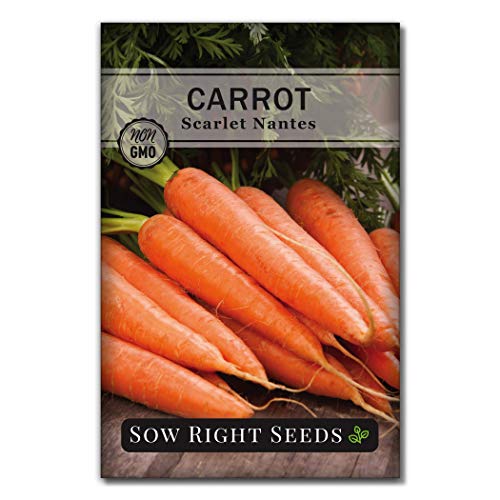
Beautiful - Full color packet of Scarlet Nantes Carrot (Daucus var. 'Scarlet Nantes') Seed. Bright red-orange, fine-grained brittle flesh that is nearly coreless with a fine very sweet flavor. Colors up early for little mini baby carrots. Minimum of 800 mg per packet (about 450 seeds).
Planting and Caring for Carrots and Kale Together
When planting carrots and kale together, it’s important to consider their specific needs and characteristics. Here are some tips to help you ensure a successful and thriving garden bed:
- Spacing: Plant carrots around 2-3 inches apart and kale about 12-18 inches apart to allow ample space for growth.
- Sunlight: Both carrots and kale thrive in full sunlight, so make sure they receive at least 6-8 hours of sunlight per day.
- Soil: Ensure you have well-draining soil rich in organic matter for both crops to thrive.
- Watering: Keep the soil consistently moist but not waterlogged, especially during dry spells.
- Mulching: Use organic mulch to retain moisture, suppress weeds, and help maintain soil temperature.
For pest management and overall plant health:
- Companion Plants: Consider planting marigolds near your carrots and kale to deter pests and attract beneficial insects.
- Crop Rotation: Rotate your crops yearly to prevent the build-up of pests and diseases in the soil.
Harvesting and Enjoying Your Homegrown Produce
After investing time and effort into growing carrots and kale in your garden, it’s time to reap the rewards of your hard work. Here are some tips on harvesting and enjoying the fruits of your labor:
- Carrots are typically ready to harvest when their shoulders are around ¾ inch in diameter. Gently grasp the green tops near the soil, wiggle, and pull them out. Make sure to harvest before they become overly mature and woody.
- Kale leaves can be harvested at any time once the plant has established enough growth. You can start picking the outer leaves when they reach a usable size, allowing the inner leaves to continue growing for future harvests.
- Freshly harvested carrots and kale are excellent choices for a vibrant and nutrient-rich salad. Combine the earthy sweetness of carrots with the hearty and nutritious kale leaves for a delicious and healthy meal.
- Carrots can be enjoyed raw as a crunchy snack, grated into salads, or roasted with your favorite seasonings for a warm side dish.
- Kale can be used in a variety of dishes, such as smoothies, salads, soups, or even baked into crispy kale chips for a tasty and nutritious treat.
Conclusion
You’ve now learned how to grow and enjoy your own carrots and kale at home. Remember to harvest your carrots at the right time based on their size and pick kale leaves as needed. Combining these two veggies can create a tasty and nutritious salad. Whether you prefer them raw, in salads, soups, or roasted dishes, there are plenty of ways to enjoy the fresh flavors of homegrown carrots and kale. Happy gardening and cooking!
Frequently Asked Questions
When is the best time to harvest carrots from my garden?
Carrots are ready for harvest when they reach a suitable size, typically 1/2 to 1 inch in diameter. The ideal time is usually around 60-80 days after planting.
How should I harvest carrots from my garden?
Gently loosen the soil around the carrot with a trowel or fork. Grasp the green top of the carrot and pull straight up, carefully removing it from the ground.
What is the best method for harvesting kale leaves?
You can pick outer leaves from the kale plant as needed, allowing the inner leaves to continue growing and providing a continuous harvest.
What are some ways to enjoy freshly harvested carrots and kale?
Enjoy your carrots and kale by adding them to salads, soups, or roasted dishes. You can also eat them raw as a healthy and nutritious snack.
