

Ever wondered if you could grow your own carrots in convenient grow bags? Picture this: You, harvesting fresh, homegrown carrots right from your very own garden, all from the comfort of your patio or balcony. Exciting, right? In this article, we’ll explore the possibilities of growing carrots in grow bags and how it can transform your gardening experience.
Imagine the joy of plucking vibrant carrots from your compact garden space, without the need for a traditional garden bed. With the flexibility and ease of using grow bags, you can cultivate delicious carrots even in limited areas. Get ready to discover the simplicity and rewards of growing your own carrots in these versatile containers.
Benefits of Growing Carrots in Grow Bags
Benefits of Growing Carrots in Grow Bags
When it comes to growing carrots, grow bags offer several advantages that make them an excellent choice for cultivating these vibrant veggies. Here’s why you should consider growing carrots in grow bags:
- Space Efficiency: Carrots thrive in grow bags, making them ideal for small spaces like balconies or patios. You can enjoy a bountiful harvest even without a large garden.
- Portability: With grow bags, you have the flexibility to move your carrot plants to different locations based on sunlight or weather conditions. It’s like having a portable garden at your fingertips.
- Improved Drainage: Grow bags provide excellent drainage, preventing waterlogging and ensuring that your carrot roots stay healthy and free from rot. Say goodbye to issues caused by poor drainage.
- Weed Control: Growing carrots in grow bags helps minimize weed growth around your plants, allowing your carrots to receive the nutrients and water they need without competing with unwanted plants.
- Pest Management: By using grow bags, you can better control pests that may target your carrot crop. Keep your carrots safe and healthy without resorting to harmful chemicals.
- Easy Maintenance: Growing carrots in grow bags simplifies the cultivation process. It’s straightforward to plant, water, and care for your carrots, saving you time and effort while still reaping the rewards of a successful harvest.
- Versatility: Whether you’re a novice gardener or have years of experience, grow bags provide a versatile option for growing carrots. Experiment with different varieties and techniques to find what works best for you.
Choosing the Right Grow Bags for Carrots
To grow carrots successfully in grow bags, it’s crucial to select the appropriate grow bags. Here’s what you need to consider when choosing the right ones:
- Size Matters: Opt for grow bags that are at least 12 inches deep. This depth gives the carrots ample space to develop long roots.
- Material: Look for breathable fabric grow bags. They provide proper aeration to the roots and prevent waterlogging.
- Handles: Choose bags with sturdy handles for easy transportation, especially if you plan to move them around frequently.
- UV Protection: Ensure the grow bags have UV protection to prevent degradation from sun exposure.
- Drainage Holes: Select bags with adequate drainage holes to avoid water accumulation, which can lead to root rot.
- Reusable: Opt for durable and reusable grow bags to minimize waste and save money in the long run.
By paying attention to these factors when selecting your grow bags, you set yourself up for a successful carrot-growing experience.
Selecting the Ideal Carrot Varieties for Grow Bags
When choosing carrot varieties to grow in your grow bags, it’s essential to consider different factors to ensure successful cultivation. Here are some tips to help you select the ideal carrot varieties:
- Choose shorter varieties: Opt for carrots that are suitable for container gardening and don’t require excessive depth to grow.
- Consider root shape: Select varieties with shorter roots to accommodate the grow bag’s depth and maximize carrot yield.
- Look for fast-maturing options: Pick carrot varieties that reach maturity quickly, allowing you to enjoy homegrown produce sooner.
- Focus on flavor: Prioritize carrot varieties known for their sweet, crisp taste to enhance your culinary experience.
- Check for disease resistance: Opt for varieties that are resistant to common carrot diseases to promote healthy plant growth.
By choosing the right carrot varieties, you can create a bountiful harvest in your grow bags and savor the joys of homegrown carrots.
Planting and Caring for Carrots in Grow Bags
Growing carrots in grow bags is a rewarding experience that allows you to enjoy fresh produce right from your home. Here are some essential tips for planting and caring for carrots in grow bags:
- Choosing the Right Soil: Opt for well-draining, loose soil with a pH of 6.0 to 6.8 for optimal carrot growth.
- Planting Depth: Sow carrot seeds 1/4 inch deep in the soil, ensuring they are adequately spaced to prevent overcrowding.
- Watering Requirements: Keep the soil consistently moist but not waterlogged to encourage healthy root development.
- Sunlight Exposure: Place your grow bags in a location that receives at least 6-8 hours of sunlight daily for robust carrot growth.
- Thinning Seedlings: Once the carrot seedlings emerge, thin them to maintain proper spacing and promote better root development.
- Fertilization: Supplement the soil with a balanced fertilizer to provide essential nutrients for healthy carrot growth.
- Pest and Disease Management: Regularly inspect your plants for pests like carrot flies and diseases like powdery mildew, and take appropriate measures to control them.
By following these planting and care tips, you can nurture your carrots to thrive in grow bags and enjoy a bountiful harvest of homegrown goodness.
Recommended Products

Side Mesh Ventilation Windows: Two opposite mesh side vents bring partial air circulation for plant roots. These side mesh openings also assist extra water outflow. Note: The main bag body is woven‑PE plastic material and is not fully air‑permeable like felt fabric. Good for plants preferring moist soil environment
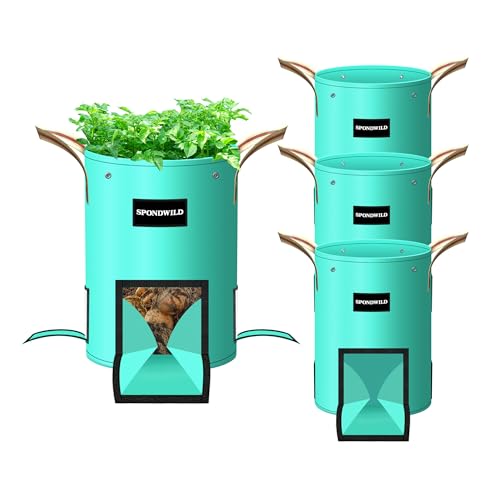
Side Mesh Ventilation Windows: Two opposite mesh side vents bring partial air circulation for plant roots. These side mesh openings also assist extra water outflow. Note: The main bag body is woven‑PE plastic material and is not fully air‑permeable like felt fabric. Good for plants preferring moist soil environment
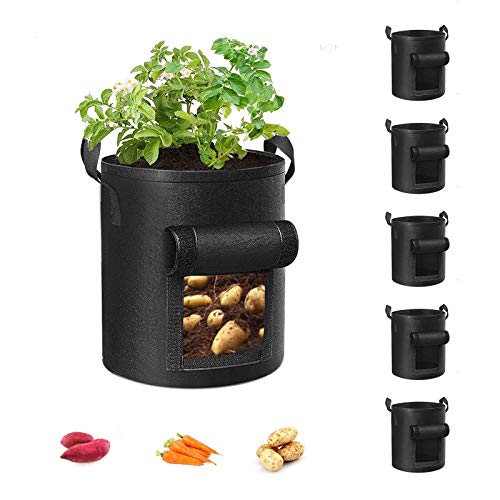
Durable Material: Made of 300g thick non-woven fabric that can be reused for more than 3 years.
Harvesting and Enjoying your Homegrown Carrots
Carrots are typically ready to harvest around 60-75 days after planting, depending on the variety. Here are some tips for harvesting and enjoying your homegrown carrots:
- Timing: Carrots are ready when their shoulders peek above the soil. Firmly grasp the green tops near the base and gently pull the carrot out.
- Size: Carrots are sweetest when harvested at 2-3 inches in diameter, but you can harvest at any size.
- Storage: Store freshly harvested carrots in the refrigerator, where they can last for weeks when kept in a plastic bag to retain moisture.
- Freshness: For the freshest taste, consider pulling up carrots just before mealtime for a garden-to-table experience.
- Enjoyment: Whether eaten raw, steamed, roasted, or added to soups and stews, your homegrown carrots will elevate your dishes with freshness and flavor.
Conclusion
You now have all the essential information to successfully grow carrots in grow bags. By following the tips on soil, planting, watering, sunlight, thinning, fertilizing, and pest control, you’re on your way to a bountiful harvest. Remember to harvest your carrots at the right time, store them properly, and savor the freshness in your favorite dishes. With your dedication and care, you can enjoy the satisfaction of growing your own delicious carrots from your garden to your table. Happy gardening!
Frequently Asked Questions
How do I choose the right soil for planting carrots in grow bags?
Choose well-draining, loose soil with a sandy texture for optimal carrot growth.
What is the best way to plant carrots in grow bags?
Plant carrot seeds half an inch deep and space them 2 inches apart to allow room for growth.
How often should I water carrots in grow bags?
Keep the soil consistently moist by watering carrots in grow bags regularly, especially during hot, dry weather.
What amount of sunlight do carrots in grow bags need?
Carrots require at least 6-8 hours of sunlight daily for healthy growth and development.
When should I thin out carrot seedlings in grow bags?
Thin out carrot seedlings to around 2 inches apart when they reach a height of 2 inches to prevent overcrowding.
How should I fertilize carrots in grow bags?
Use a balanced fertilizer once a month to ensure optimal growth and development of carrots in grow bags.
What are some effective pest management techniques for carrots in grow bags?
Use row covers, neem oil spray, or diatomaceous earth to control common pests like carrot rust flies and aphids.
When is the best time to harvest homegrown carrots?
Harvest carrots when they reach their mature size, typically around 1/2 to 3/4 inch in diameter, for the best flavor and texture.
What are some tips for storing homegrown carrots?
Store carrots in a cool, dark place in the fridge or in sand for longer freshness.
How can I enjoy homegrown carrots in various dishes?
Add homegrown carrots to salads, soups, stir-fries, or roast them with herbs for a delicious and nutritious meal.
