

Ever wondered if you can keep growing carrots in the same spot year after year? Picture this: you’ve harvested your delicious carrots, but now you’re pondering if it’s possible to plant them in the same place again. The good news is, you’re not alone in this dilemma.
You’ll be thrilled to discover the secrets to successfully growing carrots in the same location. Imagine saving time and effort by knowing the ins and outs of crop rotation and soil management to keep those carrots thriving in your garden.
Benefits of Growing Carrots in the Same Spot
Growing carrots in the same spot each year can offer several advantages:
- Soil Familiarity: The soil gets richer over time since the carrots leave nutrients that benefit their successors.
- Fewer Pests: Some pests are deterred by the scent of carrots, so planting in the same spot can actually reduce pest issues.
- Consistent Growth: Carrots may thrive in familiar soil, leading to more consistent growth and potentially better yields.
- Less Effort: You save time and energy by not needing to prepare a new planting spot each year.
When considering whether to grow carrots in the same location, remember these benefits that can make your gardening experience more efficient and fruitful.
Understanding Crop Rotation
Crop rotation is a simple but effective practice that involves changing the type of crop grown in a specific area each planting season. This method helps maintain soil health, reduce pest and disease pressure, and optimize nutrient availability for different plant varieties.
Recommended Products

Complete Gardening Journal Planner and Log Book: This gardening journal planner and log book helps organize your growing season with yearly planning pages, 6 monthly sets, 8 weekly logs, plant profiles, harvest records, and garden review pages

Benefits of Crop Rotation:
- Soil Health: Rotating crops like carrots with others helps balance soil nutrients and prevent depletion of specific elements.
- Pest and Disease Control: Different crops attract varying pests and diseases, so rotation can naturally break pest cycles and reduce the need for chemical interventions.
- Nutrient Optimization: Some crops deplete specific nutrients while others add them back. Rotating crops can help maintain soil fertility naturally.
How to Rotate Crops effectively:
- Plan ahead: Determine a rotation schedule based on the needs of different crops and avoid planting the same family of vegetables in the same spot year after year.
- Utilize Cover Crops: Plant cover crops during off-seasons to protect the soil, add organic matter, and enhance soil structure for future plantings.
- Observe Growth Patterns: Keep a garden journal to track which crops were planted where each year and note any changes in plant health or productivity.
Avsluttende tanker:
Without proper rotation, nutrient depletion and pest buildup can occur, leading to decreased yields and increased reliance on synthetic inputs. By understanding and implementing crop rotation strategies, you can maintain healthy soil, improve plant growth, and sustain long-term productivity in your garden.
Soil Management for Repeated Carrot Growing
When considering growing carrots in the same spot, soil management is crucial to avoid issues like nutrient depletion and pest infestations. Here are some tips to help you maintain soil health for successive carrot crops:
- Rotate crops: Avoid planting carrots in the same area for consecutive seasons. Rotate them with crops like lettuce, beans, or onions to prevent soil-borne diseases and pests from building up.
- Improve soil structure: Add compost to enhance soil fertility and improve drainage. Loose, well-draining soil is essential for healthy carrot growth.
- Monitor pH levels: Carrots thrive in slightly acidic soil with a pH between 6.0 and 6.8. Test your soil regularly and adjust pH as needed.
- Avoid overcrowding: Plant carrots at the recommended spacing to allow proper root development and prevent competition for nutrients.
- Mulch the soil: Mulching helps retain moisture, regulate soil temperature, and suppress weed growth. Use straw or organic mulch to protect your carrots.
Implementing these soil management practices can help you successfully grow carrots in the same area year after year.
Recommended Products

Kindly NOTE: This soil tester can not be applied to test pH value of any other liquid. If the soil is too dry the indicator will not move, and water it before testing.

KNOW BEFORE YOU GROW | Grow the healthiest, sustainable lawn and garden with the most accurate and easy to use professional soil test kit on the market

Comprehensive Soil Analysis: Liquid soil test kits offer a comprehensive analysis of essential soil parameters, including pH, ammonia, nitrogen, phosphorus, and potassium. Having all these measurements in one kit provides a holistic understanding of the soil's fertility and health.
Tips for Maintaining Soil Health
Maintaining soil health is crucial for successful carrot cultivation year after year. Here are some tips to help you ensure that your soil remains healthy and fertile:
- Rotate Crops: Rotate your carrots with other crops like lettuce, beans, or onions to minimize soil-borne diseases and pests that specifically target carrots.
- Improve Soil Structure: Enhance your soil structure by incorporating compost regularly. This helps retain moisture, improves drainage, and fosters beneficial soil organisms.
- Monitor pH Levels: Regularly test and adjust the pH levels of your soil to ensure they are suitable for carrots. They typically thrive in slightly acidic to neutral soil (pH 6.0-7.0).
- Avoid Overcrowding: Plant your carrots at the recommended spacing to prevent overcrowding, which can lead to stunted growth and increased susceptibility to diseases.
- Mulch the Soil: Covering the soil around your carrots with mulch helps retain moisture, suppresses weeds, regulates soil temperature, and prevents erosion.
| Crop Rotation | Enhance Soil Structure | pH Monitoring | Proper Spacing | Soil Mulching |
|---|---|---|---|---|
| Minimizes soil-borne diseases and pests | Improves moisture retention and drainage | Ensures pH levels are ideal for carrots | Prevents overcrowding and stunted growth | Retains moisture, suppresses weeds, and regulates temperature |
Recommended Products

Quick, at home results for Soil pH, Nitrogen, Phosphorous and Potash Innovative and inexpensive soil test kit features an easy-to-use capsule system and patented color comparators

Accurate Soil pH Testing: Dewildetradingco Soil pH Test Strips offer measurements of soil pH levels (pH 3.5-9). As an essential tool for every gardener and grower, these test strips help determine the optimal pH for various plants, such as outdoor plants, indoor plants, gardens, grass lawns, fruit trees, flowers, vegetables, and forest shrubs.
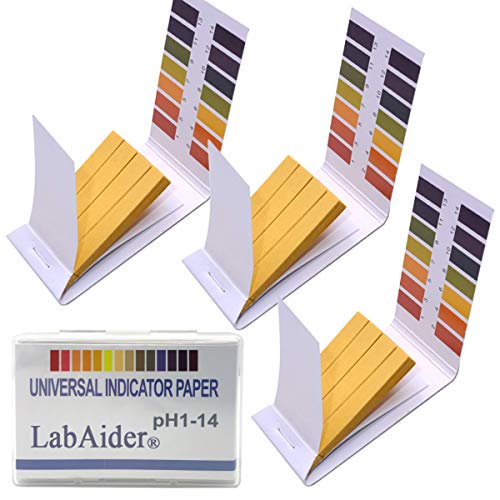
Paper Size: 45mm x 7mm (L x W), Comes with 3 Pack(240 pH Strips) and 1 Storage Case.
Conclusion
By implementing proper soil management techniques like crop rotation, composting, pH monitoring, spacing, and mulching, you can create an optimal environment for growing carrots in the same place year after year. These practices not only help in preventing soil-related issues but also contribute to healthier and more abundant carrot harvests. Remember to care for your soil, and it will reward you with bountiful and delicious carrots season after season. Happy gardening!
Frequently Asked Questions
How can crop rotation benefit carrot cultivation?
Crop rotation helps prevent soil-borne diseases and pests that can affect carrots, maintains soil nutrients, and reduces weed pressure for healthier carrot growth.
Why is compost essential for improving soil structure for carrots?
Compost enriches the soil with organic matter, enhances soil structure for better aeration and water retention, promotes beneficial microbial activity, and provides essential nutrients for optimal carrot growth.
What is the significance of monitoring pH levels for successful carrot cultivation?
By monitoring pH levels, you can ensure the soil has the ideal acidity range (around 6.0 to 6.8) for carrots to absorb nutrients effectively, promoting healthy growth and development.
How does overcrowding affect carrot plants?
Overcrowding can lead to competition for nutrients, resulting in stunted growth, irregularly shaped carrots, increased susceptibility to diseases, and poor overall yield.
Why is mulching beneficial for carrot cultivation?
Mulching helps regulate soil temperature, retain moisture, suppress weed growth, and reduce soil erosion, creating optimal conditions for healthy and vigorous carrot plants.
